
















In the heart of Bangkok’s Sukhumvit district, a residential project with only 88 units is rewriting the rules of high-end real estate. This is not just InterContinental Hotels Group’s first branded residence in Bangkok; it represents a strategic shift for international hotel brands from offering ‘room service’ to providing comprehensive ‘life solutions’.
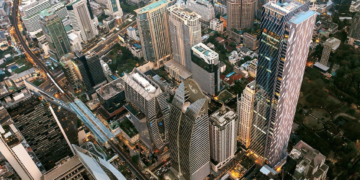
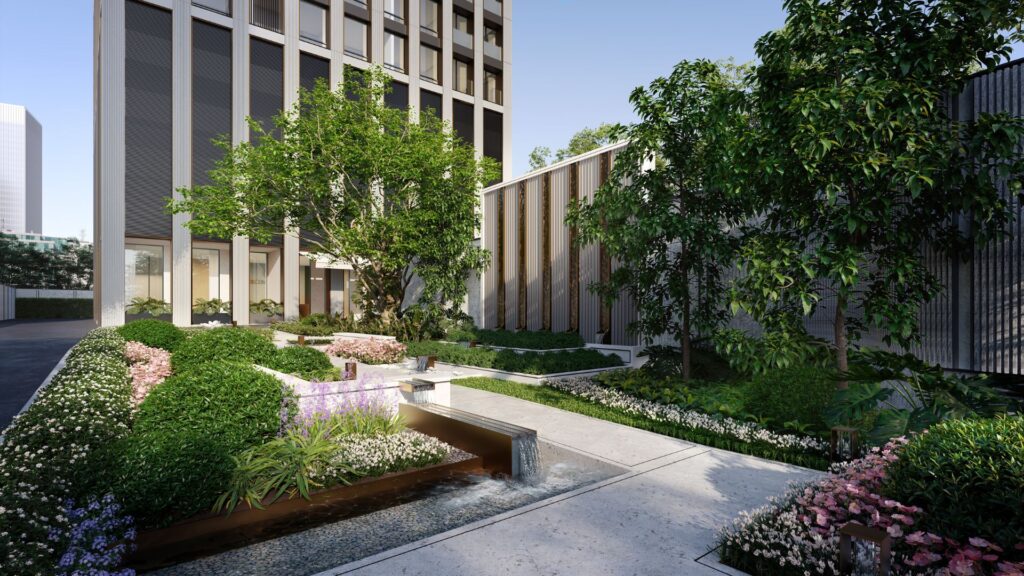
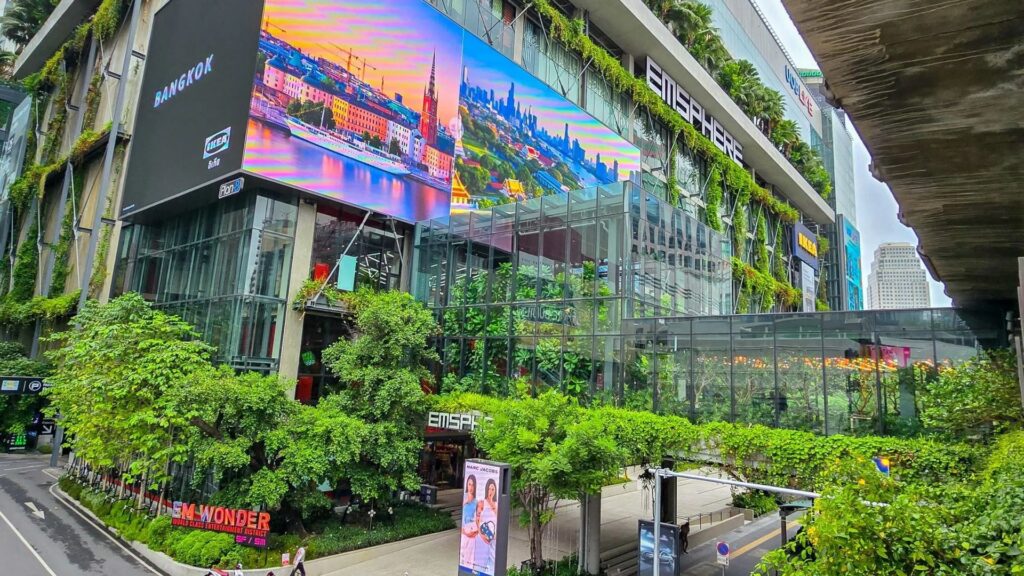
Named InterContinental Residences Bangkok Asoke, the project is situated on Sukhumvit Soi 16, right at the pulsating urban crossroads of BTS and MRT stations. Flanked by the greenery of Benjakitti Park on one side and the vibrant EM District on the other, this strategic location demonstrates the developer’s profound understanding of modern urban lifestyles.
According to CBRE, Asia Pacific and North America are now tied as the world’s largest markets, each holding a 23% share. Thailand, with over 40 completed projects, has emerged as a leader in the APAC branded residences market. This figure is the result of a mature market ecosystem built over more than three decades, starting with the pioneering Amanpuri in Phuket back in 1988.
The timing of InterContinental’s entry into the Bangkok market is noteworthy. Founded in 1946, the brand brings its core ethos of “opening up the world” into the residential sphere. Unlike other luxury brands, InterContinental emphasizes “timeless design and a home-like warmth”, a brand characteristic that aligns perfectly with the long-term nature of residential living.
“Buyers who choose InterContinental identify with the brand’s classic and character,” points out Artitaya Kasemlawan, Head of Residential Sales Project, CBRE Thailand. “They seek not ostentatious luxury, but quality that stands the test of time.”
Brand Empowerment: More Than a Luxury Home, A Global VIP Passport
In the competitive branded residences landscape, InterContinental brings more than just a name; it offers an entire ecosystem of services. As IHG’s flagship brand, Intercontinental transplants over 75 years of hotel service experience directly into the residential domain, creating a unique market differentiation.
“Purchasing an InterContinental Residence is essentially acquiring a VIP passport for global travel,” Kasemlawan pinpoints the project’s core value. This value is materialized in the specific “Diamond Elite Status” — all owners automatically receive the top-tier IHG One Rewards membership status, enjoying exclusive privileges across 6,000+ hotels and 19 brands worldwide.
This combination of “real estate + global mobility privileges” holds particular appeal for international buyers who frequently traverse the globe. Compared to standalone hotel brands, IHG’s network of nearly 9,000 open and pipeline hotels presents an unparalleled advantage. From New York to Tokyo, owners can find a “home away from home” in any major commercial city.
On the service front, the project employs a “Director of Residences” rigorously trained by InterContinental, ensuring service standards align with global brand norms. Services are structured in two tiers: foundational services include weekly housekeeping, 24-hour concierge and technical support, and dedicated porters; while on-demand services offer personalized choices like private trainers, spa treatments, and floral design.
“Buyers recognize the value of these high-end properties, appreciating the consistent service and quality associated with a renowned hotel brand,” Kasemlawan adds. This brand endorsement not only reduces buyer decision risk but also provides institutional assurance for long-term asset value preservation.
From an operational model perspective, InterContinental adopts a capital-light, brand-licensing strategy. The project is developed by the local developer, Sixteen Residences Limited, while InterContinental focuses on overseeing service standards and brand integrity. This division of labor ensures specialized expertise and explains why branded residences can surpass traditional luxury homes in service quality.
Notably, this brand empowerment isn’t just about the present; it’s about the future. InterContinental’s standardized operational system ensures the building maintains high maintenance standards even ten or twenty years down the line, a level of long-term value assurance difficult for typical developer projects to achieve.
Location Strategy: Positioning Asoke as a Life Hub
The choice of Sukhumvit Soi 16 for InterContinental Residences Bangkok Asoke reflects a deep insight into modern urban living patterns. This selection transcends the traditional binary choice for luxury locations, instead creating an urban hub that offers diverse lifestyle options.
“This is no longer a black-and-white choice,” Kasemlawan explains. “We find that sales proceed more smoothly when our team first understands the client’s preferred area. Some explicitly state, ‘I don’t want to go to the riverside, simply because getting into the city is too troublesome,’ while others find ‘Lumphini too quiet.’”
Geographically, the project creates a 500-meter radius ‘fully-serviced life circle’: direct access north to the BTS Asoke and MRT Sukhumvit interchange, linkage east to Benjakitti Park, and a short walk west to the EM District’s three premier luxury shopping malls (Emporium, EmQuartier, and Emsphere). This carefully orchestrated spatial relationship allows residents to switch between completely different life scenes within five minutes.
“The value here isn’t singularly about tranquility or vibrancy, but the power of choice it gives residents,” Kasemlawan further elaborates. “When you want to feel the city’s pulse, you just step onto the street for authentic local food; when you need a refined experience, a Michelin-starred restaurant is around the corner. This ability to switch freely is the new luxury.”
The project’s locational advantage is also evident in its comprehensive surrounding support system. Bumrungrad International Hospital and Bangkok Hospital provide world-class medical services, NIST International School meets the educational needs of high-end families, and the Queen Sirikit National Convention Center constitutes a key business facility. Together, these amenities form a self-sufficient, high-quality living ecosystem.
For multinational executives and expatriates, this ‘life efficiency’ holds irreplaceable value. As one potential buyer remarked, “Here, I can minimize commute time and focus my precious energy on work and family. That in itself is a luxury.”

Investment Logic: Data-Driven Value and Structural Scarcity
According to CBRE research, branded residences constitute only 1% of the total condominium supply in central Bangkok. This extreme scarcity forms the foundation for the asset’s long-term value. Simultaneously, the Sukhumvit area, where the project is located, concentrates 65% of Bangkok’s expatriate residential demand, with serviced apartment annual rental growth reaching 8.5%, becoming a key driver supporting investment returns.
Within this context, the brand effect translates directly into substantial rental premiums. CBRE data indicates that in the same location, branded residences can achieve rental yields 50% to 80% higher than non-branded projects.
“This isn’t merely acquiring a property; it’s a strategic deployment based on profound market insight,” Kasemlawan analyzes. This perception translates into actual rental premiums, maintaining the competitive edge of branded residences in the leasing market.
This scarcity is also reflected in other layers: Firstly, among the 11 existing branded residence projects in central Bangkok, only 3 are freehold. Secondly, existing projects have an average absorption rate of 93%, with only 33 units remaining available for sale in the market. Furthermore, InterContinental Residences, as the first international hotel-branded residence in the core Sukhumvit area, fills a market gap.
From a product design perspective, three-bedroom units and above comprise 68% of the project’s total, indicating the developer’s clear targeting of the top-tier clientele. This product positioning aligns highly with the residential needs of multinational corporate executives and expatriates in the Sukhumvit area.
Kasemlawan further points out: “The value of branded residences is manifested not only in immediate rental returns but also in long-term asset preservation capability. Professional brand management ensures the continuity of building quality and service standards, an advantage difficult for typical developer projects to match.”
Notably, the project’s facility configuration also reflects anticipation of future needs. A 200% car park ratio, 12 supercar parking spaces, 20 EV charging stations — these designs are precise investments targeting the usage habits of the high-end clientele. While increasing upfront costs, these details provide additional support for long-term asset value.
Product Design: Precisely Meeting International Buyer Needs
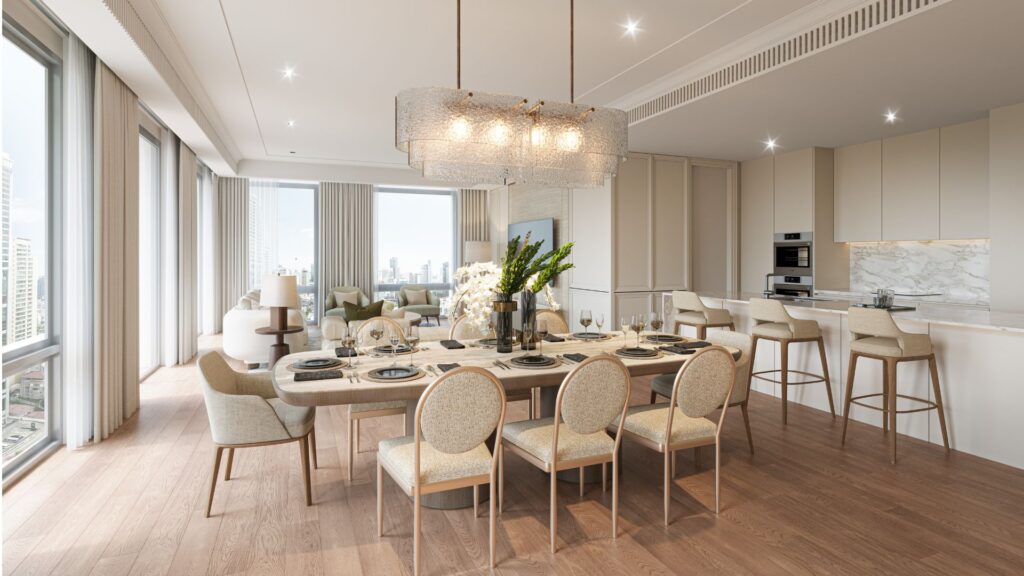
The product planning of InterContinental Residences Bangkok Asoke demonstrates InterContinental’s deep understanding of the international high-end market. The project plans 88 freehold units, ensuring living quality through low-density design, with only 2-4 units per floor, creating an exclusivity difficult for traditional high-density residences to achieve.
Looking at the product mix, the developer shows precise mastery of the segmented market. The project offers a range from 139 sq m two-bedrooms to 547 sq m duplexes, with price points ranging from 40.8 million THB to 245 million THB. This tiered pricing strategy not only covers clientele with different financial capacities but also achieves customer screening within a single project.
| Unit Type | Area (sq m) | Price (Million THB) | Price (Million USD) |
|---|---|---|---|
| 2-Bedroom | 139 | 40.8 – 53 | 1.25 – 1.62 |
| 3-Bedroom | 193 | 59 – 73 | 1.81 – 2.24 |
| 3-Bedroom Deluxe | 236 | 95 – 97 | 2.91 – 2.97 |
| 3-Bedroom Premium | 254 | 102 – 105 | 3.13 – 3.22 |
| Mali & Malai Duplex | 453 – 547 | 197 – 245 | 6.04 – 7.51 |
| Exchange Rate Reference: 1 USD ≈ 32.62 THB (Oct 2025) |
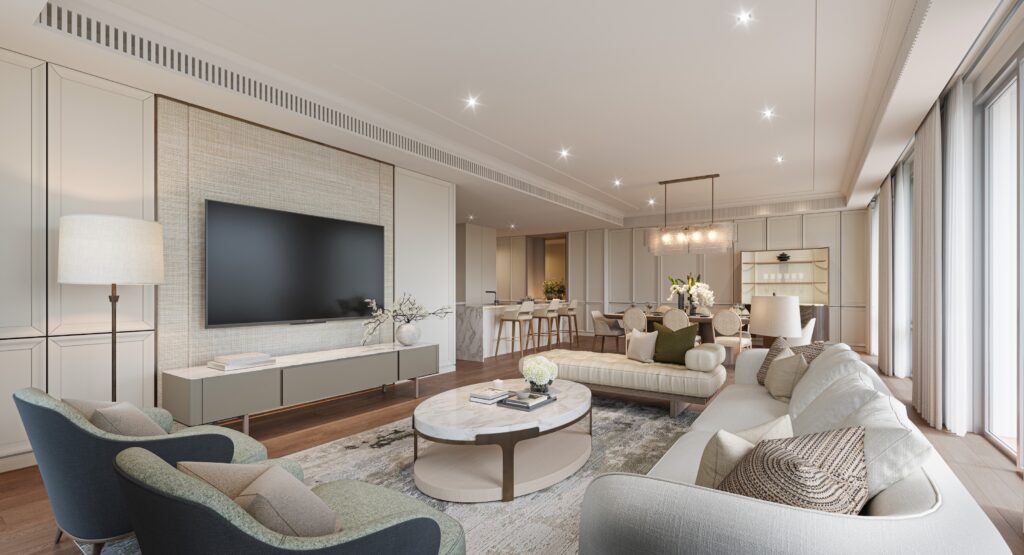
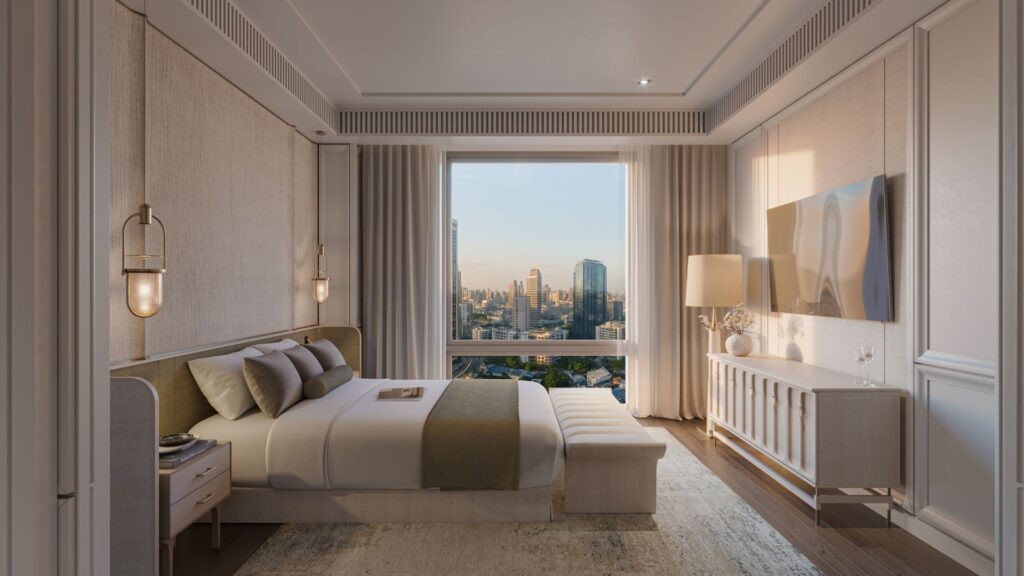
In spatial design, all units feature a 3-meter ceiling height — a seemingly simple figure that significantly enhances spatial comfort and prestige. The selection of Italian Poliform kitchen systems is not just brand stacking but a dual guarantee of functionality and aesthetics. The combination of Gessi bathroom fittings and TOTO sanitary ware reflects deep consideration for the daily user experience.
The project’s facility configuration similarly echoes its product positioning. A 25-meter pool, hot/cold plunge pools, steam rooms, and saunas cater to the high-end clientele’s pursuit of life quality. Simultaneously, functional spaces like a 24-hour business center and private banquet hall directly address the professional needs of business people.
Regarding sustainability, the project employs hospital-grade MERV 13 air filtration systems, and the pre-cooled fresh air system effectively blocks PM2.5. This focus on air quality is particularly crucial in Bangkok’s pollution environment and demonstrates the developer’s forward-thinking.
The Future of Branded Residences and Strategic Implications
InterContinental Residences clearly charts the future development path of the branded residences market. This project is no longer merely a luxury apartment offering five-star hotel services. Instead, by reinventing location value, pursuing product excellence, and seamlessly extending brand services, it offers a comprehensive solution for modern urban elites that balances investment value with quality of life.
“The success of this project lies in its precise grasp of market segmentation trends,” Kasemlawan summarizes. “We advise our team to first understand the client’s preferred area during communication, as this makes the sales process smoother.”
From a macro perspective, the debut of InterContinental Residences signals a profound transformation in the branded residences market. In Thailand, a mature market for branded residences in APAC, the key competitive factors have shifted from ‘best views’ or ‘most luxurious materials’ to a deep understanding and precise response to the life philosophy of the target clientele. This shift marks the market’s transition from a product-oriented to a user-oriented new phase.
For international buyers considering entering the Thai market, this case offers important decision-making references. First, when choosing a location, analyze daily life routines and core needs precisely, replacing abstract location concepts. Second, carefully evaluate the developer’s delivery capability and the brand’s long-term operational commitment, as this relates to asset value preservation. Finally, one should understand the value brought by ‘scene density’ — the ability to seamlessly switch between diverse life scenes around a single project is becoming the new standard of luxury.
As Thailand continues to lead the development of branded residences in APAC, InterContinental Residences will undoubtedly become a significant benchmark for measuring future luxury living experiences. The true significance of this project lies not in sales figures, but in its successful demonstration of a possibility: a branded residence can be both a sound investment asset and a vessel for an ideal life. The realization of this dual value is the core driving force propelling the entire market forward.
With the APAC branded residences market share expected to be on par with North America by 2025, Thailand, leveraging its robust tourism infrastructure, continuously upgrading urban development, and relatively open foreign investment policies, will maintain its regional leadership position. In this rapidly evolving market, the most successful projects will be those that most accurately respond to the life needs of their target clientele and can withstand the test of time.
Thailand’s Branded Residential Landscape: International & Local Brands
1. The International Hotel Brand Contingent
The Residences at Mandarin Oriental, Bangkok
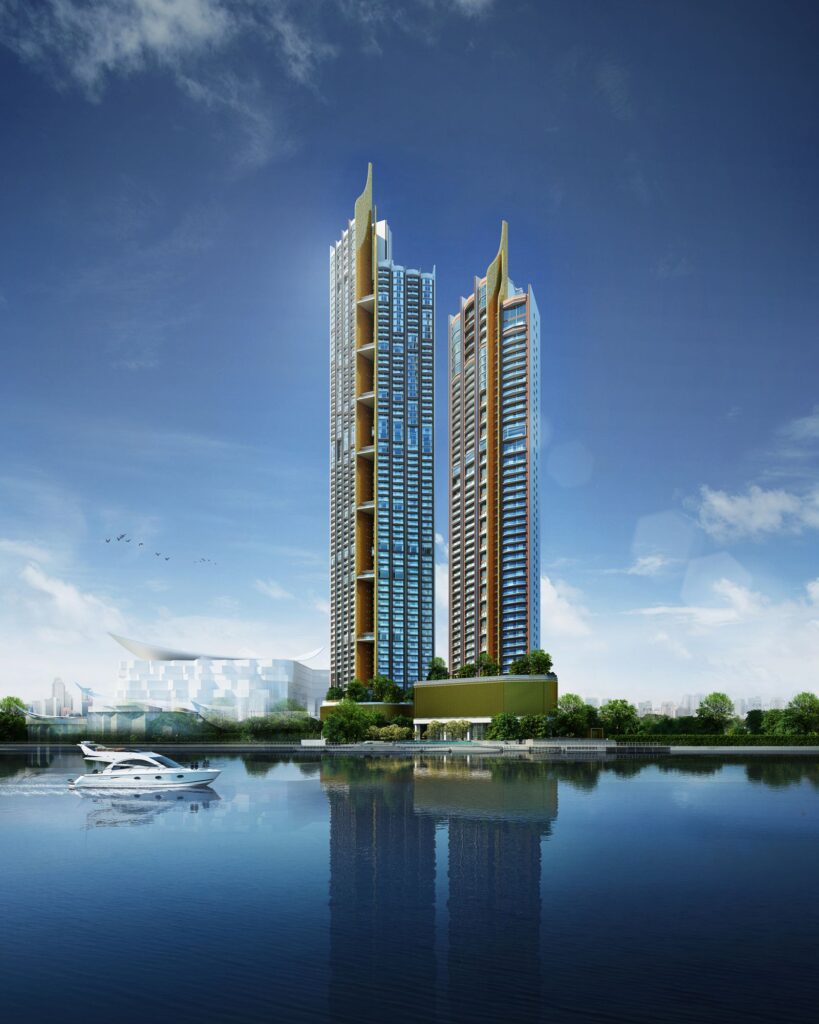
Location: Chao Phraya River, within the ICONSIAM complex
Profile: The legendary hotel brand’s first foray into residences. Entry-level units start as spacious two-bedrooms (128 sqm), with duplex penthouses reaching 709 sqm. Resale prices have surpassed 100 million THB, cementing its status as a “blue-chip asset”.
Four Seasons Private Residences
Location: Chao Phraya River
Profile: Shares the riverfront setting with its hotel counterpart. Known for understated luxury and privacy, it’s a quintessential example of traditional riverside grandeur.
InterContinental Residences Bangkok Asoke
Location: Sukhumvit Soi 16
Profile: The first international hotel-branded residence in the core Sukhumvit area. Its concept revolves around “urban energy,” and it offers privileges for IHG’s global loyalty members, marking a shift for brand residences from secluded retreats to vibrant city living.
The Radisson Residences Phuket
Location: Mai Khao Beach, Phuket.
Profile: The brand’s first residential project in Asia-Pacific. It operates on a hotel-managed rental model, focusing on investment returns and catering to the tourist vacation rental market.
2. Thai Luxury Brands
Dusit Residences & Dusit Parkside
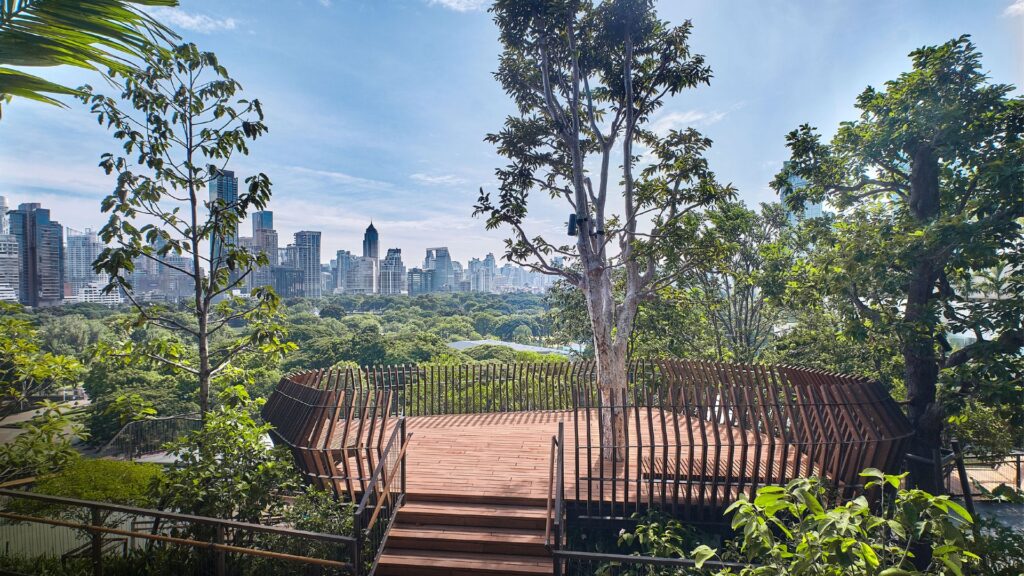
Location: Central Lumpini, the former site of the Dusit Thani Hotel.
Profile: Part of the massive Dusit Central Park integrated development. Carrying the legacy of over 50 years of hotel history, it deeply integrates Thai hospitality traditions, marking a proud return for a leading local luxury brand.
The Sukhothai Residences
Location: City Center.
Profile: Launched around the same year as The Bangkok St. Regis project, it was one of Bangkok’s early branded residences. It’s renowned for its classic Thai aesthetic design.
3. Non-Hotel Brands & Designer Collaborations
YOO Residence
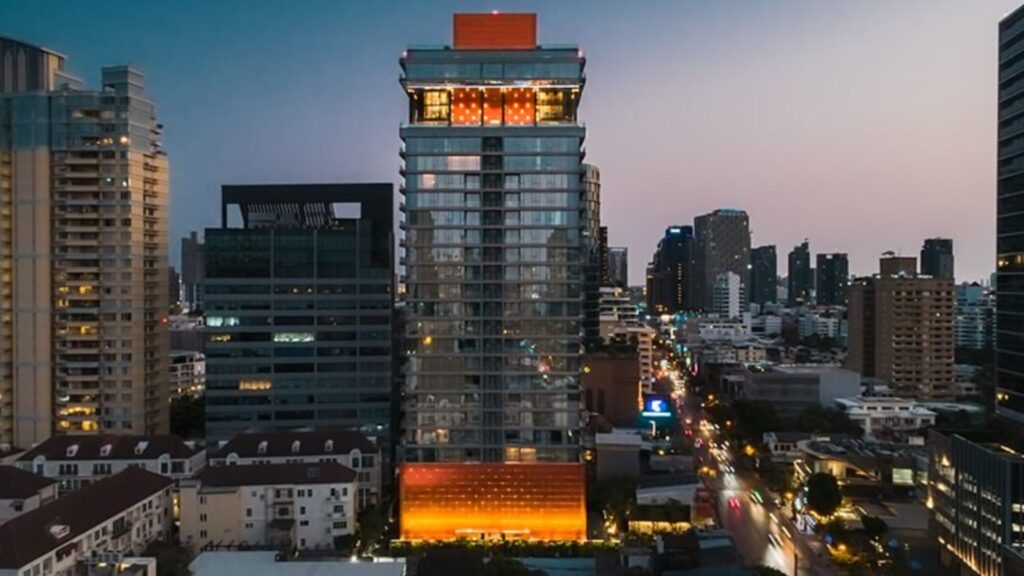
Location: Thonglor
Profile:A collaboration with global design maestro Philippe Starck, this is a prime example of a “designer-branded residence”. It emphasizes a unique aesthetic experience over traditional hotel services.
Sindhorn Kempinski Hotel Residences, Bangkok
Location: Lumpini.
Profile: Nestled within the Sindhorn precinct, it emphasizes harmony with a natural park environment, offering a unique urban oasis experience.
Market Landscape Analysis: Geographically, Thailand’s branded residential market is split between Bangkok and resort destinations like Phuket and Hua Hin. Within Bangkok, it further segments into three distinct precincts: the Chao Phraya Riverfront, Central Lumpini Park, and the Sukhumvit urban core. Each caters to different lifestyle philosophies – “tranquility”, “greenery”, and “convenience”, respectively. This diversified landscape successfully meets the varied aspirations of global high-net-worth buyers for Thailand, solidifying its position as a leader in the Asia-Pacific branded residence sector.