





























Zagdim Overseas
Subscribe
  • Home
  • Real Estate & Economic News
    • All
    • Japan Market News
    • Other Market News
    • Thailand Market News
    • UK Market News
    • Vietnam Market News
    Prime London Rental Values Jump 67% as Supply Contracts

    Prime London Rental Values Rise 67% as Supply Contracts

    Portugal's One-Bed Rent Now Tops the Minimum Wage

    One-Bedroom Flat Rent in Portugal Now Costs More Than Minimum Wage

    Dubai Rents Fall Up to 15% as Tenants Switch to New Leases

    Dubai Tenants Switch Homes as New-Lease Rents Fall Up to 15%

    Ras Al Khaimah waterfront apartments and palm promenade aerial view

    Ras Al Khaimah Apartment Prices Rise 18% in H1 2026 as Record Hotel Guest Numbers Land

    Halifax Harbour sunset skyline

    Canada Sets 90-Day Deadline for Atlantic Immigration Applicants Facing Employment Changes

    Sydney CBD night skyline

    Australia’s Capital Gains Tax Reform Takes Effect July 2027 — Why a Valuation Now Could Matter

    Trending Tags

  • Zagdim Insights
    • All
    • Market Trends Overview
    • Policy Interpretation
    • Zagdim Insights
    Automated immigration gates at Suvarnabhumi Airport

    Thailand’s Suvarnabhumi Auto Gates Expand to 33 Nationalities: Full List, Eligibility and TDAC Guide

    1960 archive photo of Queen Sirikit at a gala concert in The Hague, with Bank of Thailand specimens of the THB100 and THB500 commemorative notes

    Thailand’s commemorative banknotes return in October: where to exchange the THB100 and THB500 notes

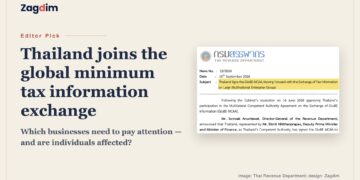
    A document-style cover showing the Thai Revenue Department’s 15 September 2026 GloBE MCAA announcement with the subject line highlighted.

    Thailand joins the global minimum tax information exchange: which businesses need to pay attention, and are individuals affected?

    A 2025 file photo of Australian Home Affairs Minister Tony Burke at a meeting, alongside Zagdim’s analysis title on Australia’s migration reforms.

    Australia announces migration reforms targeting student families, visa switching and longer stays

    China’s Entry-Exit Agency Rules: What Your Business Needs to Prepare. Paper folders labelled Deadlines, Documents and Partners, with a calendar, Chinese gateway and flight route. AI-generated illustration.

    China’s New Entry-Exit Agency Rules: What Your Business Needs to Prepare

    Three UK New-Build Thresholds for 2026: The Building Safety Levy, Second Staircases and the New EPC

    Zagdim Research cover: investigator setting up cameras in an empty Japanese apartment - Japan Prices Death Into Its Housing Market, and Buyers Have Begun to Bite

    Japan Prices Death Into Its Housing Market — and Buyers Have Begun to Bite

    Thailand to Cancel 60-Day Visa Exemption: What Long-Stay Options Are Available for Foreigners?

    Thailand to Cancel 60-Day Visa Exemption: What Long-Stay Options Are Available for Foreigners?

    Thailand Cabinet Approves Cancellation of 60-Day Visa Exemption for 93 Countries; Official Effective Date Still Pending Royal Gazette Publication

    Thailand Cabinet Approves Cancellation of 60-Day Visa Exemption for 93 Countries; Official Effective Date Still Pending Royal Gazette Publication

    • Zagdim Insights
    • Market Trends Overview
    • Policy Interpretation
  • Global Reports
    Zagdim Featured CBRE Thailand Mid-Year Outlook 2026

    CBRE Thailand Mid-Year Outlook: What Is Changing Across Six Real Estate Sectors?

    More Firms, a Busier First Half, a Softer Q2: What Vietnam’s Property Data Show, and Where ‘Repositioning’ Is a Reading

    More Firms, a Busier First Half, a Softer Q2: What Vietnam’s Property Data Show, and Where ‘Repositioning’ Is a Reading

    The Headline Number and the Real One: Reading UK Home Values After Inflation

    The Headline Number and the Real One: Reading UK Home Values After Inflation

    Tokyo’s Property Boom: How to Read AMRO’s ‘Warning, Not a Crisis’

    Tokyo’s Property Boom: How to Read AMRO’s ‘Warning, Not a Crisis’

    A Soft Summer for US Housing: What the Data Show, and Where ‘Hurting’ Is CNBC’s Word

    A Soft Summer for US Housing: What the Data Show, and Where ‘Hurting’ Is CNBC’s Word

    Malaysia’s Property Market Is Getting Choosier — What \”Selective\” Does and Doesn’t Say

    Malaysia’s Property Market Is Getting Choosier — What \”Selective\” Does and Doesn’t Say

    72% at the Top: What Mainland Buyer-Share Data Say About Hong Kong Property — and What They Don’t

    72% at the Top: What Mainland Buyer-Share Data Say About Hong Kong Property — and What They Don’t

    Hong Kong Home Prices Are Up ~10% This Year — but Can the Rebound Last Without Local Owners?

    Hong Kong Home Prices Are Up ~10% This Year — but Can the Rebound Last Without Local Owners?

    193 Deals in Dubai, 94 in Hong Kong: Reading a Super-Prime Quarter Without Calling It a Cycle

    193 Deals in Dubai, 94 in Hong Kong: Reading a Super-Prime Quarter Without Calling It a Cycle

  • Buying & Immigration Guide
    • All
    • Expat Lifestyle Guide
    • International Property Buying Guide
    • Overseas Leasing & Long-Term Stay
    • Real Estate Law & Taxation
    • Relocation, Immigration & Visa
    Five things a first-time overseas buyer must settle before buying in London: entry (SDLT and the two surcharges), financing (interest relief capped at 20%), holding (NRLS and letting compliance), title (leasehold and building safety), exit (NRCGT and your treaty position)

    Is London property worth buying? Five things a first-time overseas buyer must settle first

    Japan’s Revised Condominium Ownership Act (2026): What Overseas Owners Need to Know About Voting Rights, Resolutions, and the New Domestic Manager Requirement

    Japan’s Revised Condominium Ownership Act (2026): What Overseas Owners Need to Know About Voting Rights, Resolutions, and the New Domestic Manager Requirement

    Before You Buy Property in Vietnam: Eligible Assets, Prohibited Categories, and How Land Rights Actually Work for Overseas Buyers

    Before You Buy Property in Vietnam: Eligible Assets, Prohibited Categories, and How Land Rights Actually Work for Overseas Buyers

    Buying Property in London: Key Risks to Check Before You Exchange — Leasehold, Service Charges, Off-Plan Deposits, and Contracts

    Buying Property in London: Key Risks to Check Before You Exchange — Leasehold, Service Charges, Off-Plan Deposits, and Contracts

    Opening a UK Bank Account as an Overseas Resident: Identity, Address, and What to Check Before You Apply

    Opening a UK Bank Account as an Overseas Resident: Identity, Address, and What to Check Before You Apply

    UK Residential Mortgage Readiness for Overseas Buyers: What Lenders Check on Income, Status, and Deposit

    UK Residential Mortgage Readiness for Overseas Buyers: What Lenders Check on Income, Status, and Deposit

    How should overseas owners manage and rent out property in Japan after purchase?

    How should overseas owners manage and rent out property in Japan after purchase?

    The retirees who no longer want to renew their Thai visa every year

    The retirees who no longer want to renew their Thai visa every year

    Same retirement age, different Thailand residence choices: Retirement O, LTR, and Thailand Privilege

    Same retirement age, different Thailand residence choices: Retirement O, LTR, and Thailand Privilege

    Trending Tags

  • About
    • Ask Questions
    • Zagdim Research
    • Contact Us — LINE / WhatsApp
  • 中文 EN
No Result
View All Result
Zagdim
  • Home
  • Real Estate & Economic News
    • All
    • Japan Market News
    • Other Market News
    • Thailand Market News
    • UK Market News
    • Vietnam Market News
    Prime London Rental Values Jump 67% as Supply Contracts

    Prime London Rental Values Rise 67% as Supply Contracts

    Portugal's One-Bed Rent Now Tops the Minimum Wage

    One-Bedroom Flat Rent in Portugal Now Costs More Than Minimum Wage

    Dubai Rents Fall Up to 15% as Tenants Switch to New Leases

    Dubai Tenants Switch Homes as New-Lease Rents Fall Up to 15%

    Ras Al Khaimah waterfront apartments and palm promenade aerial view

    Ras Al Khaimah Apartment Prices Rise 18% in H1 2026 as Record Hotel Guest Numbers Land

    Halifax Harbour sunset skyline

    Canada Sets 90-Day Deadline for Atlantic Immigration Applicants Facing Employment Changes

    Sydney CBD night skyline

    Australia’s Capital Gains Tax Reform Takes Effect July 2027 — Why a Valuation Now Could Matter

    Trending Tags

  • Zagdim Insights
    • All
    • Market Trends Overview
    • Policy Interpretation
    • Zagdim Insights
    Automated immigration gates at Suvarnabhumi Airport

    Thailand’s Suvarnabhumi Auto Gates Expand to 33 Nationalities: Full List, Eligibility and TDAC Guide

    1960 archive photo of Queen Sirikit at a gala concert in The Hague, with Bank of Thailand specimens of the THB100 and THB500 commemorative notes

    Thailand’s commemorative banknotes return in October: where to exchange the THB100 and THB500 notes

    A document-style cover showing the Thai Revenue Department’s 15 September 2026 GloBE MCAA announcement with the subject line highlighted.

    Thailand joins the global minimum tax information exchange: which businesses need to pay attention, and are individuals affected?

    A 2025 file photo of Australian Home Affairs Minister Tony Burke at a meeting, alongside Zagdim’s analysis title on Australia’s migration reforms.

    Australia announces migration reforms targeting student families, visa switching and longer stays

    China’s Entry-Exit Agency Rules: What Your Business Needs to Prepare. Paper folders labelled Deadlines, Documents and Partners, with a calendar, Chinese gateway and flight route. AI-generated illustration.

    China’s New Entry-Exit Agency Rules: What Your Business Needs to Prepare

    Three UK New-Build Thresholds for 2026: The Building Safety Levy, Second Staircases and the New EPC

    Zagdim Research cover: investigator setting up cameras in an empty Japanese apartment - Japan Prices Death Into Its Housing Market, and Buyers Have Begun to Bite

    Japan Prices Death Into Its Housing Market — and Buyers Have Begun to Bite

    Thailand to Cancel 60-Day Visa Exemption: What Long-Stay Options Are Available for Foreigners?

    Thailand to Cancel 60-Day Visa Exemption: What Long-Stay Options Are Available for Foreigners?

    Thailand Cabinet Approves Cancellation of 60-Day Visa Exemption for 93 Countries; Official Effective Date Still Pending Royal Gazette Publication

    Thailand Cabinet Approves Cancellation of 60-Day Visa Exemption for 93 Countries; Official Effective Date Still Pending Royal Gazette Publication

    • Zagdim Insights
    • Market Trends Overview
    • Policy Interpretation
  • Global Reports
    Zagdim Featured CBRE Thailand Mid-Year Outlook 2026

    CBRE Thailand Mid-Year Outlook: What Is Changing Across Six Real Estate Sectors?

    More Firms, a Busier First Half, a Softer Q2: What Vietnam’s Property Data Show, and Where ‘Repositioning’ Is a Reading

    More Firms, a Busier First Half, a Softer Q2: What Vietnam’s Property Data Show, and Where ‘Repositioning’ Is a Reading

    The Headline Number and the Real One: Reading UK Home Values After Inflation

    The Headline Number and the Real One: Reading UK Home Values After Inflation

    Tokyo’s Property Boom: How to Read AMRO’s ‘Warning, Not a Crisis’

    Tokyo’s Property Boom: How to Read AMRO’s ‘Warning, Not a Crisis’

    A Soft Summer for US Housing: What the Data Show, and Where ‘Hurting’ Is CNBC’s Word

    A Soft Summer for US Housing: What the Data Show, and Where ‘Hurting’ Is CNBC’s Word

    Malaysia’s Property Market Is Getting Choosier — What \”Selective\” Does and Doesn’t Say

    Malaysia’s Property Market Is Getting Choosier — What \”Selective\” Does and Doesn’t Say

    72% at the Top: What Mainland Buyer-Share Data Say About Hong Kong Property — and What They Don’t

    72% at the Top: What Mainland Buyer-Share Data Say About Hong Kong Property — and What They Don’t

    Hong Kong Home Prices Are Up ~10% This Year — but Can the Rebound Last Without Local Owners?

    Hong Kong Home Prices Are Up ~10% This Year — but Can the Rebound Last Without Local Owners?

    193 Deals in Dubai, 94 in Hong Kong: Reading a Super-Prime Quarter Without Calling It a Cycle

    193 Deals in Dubai, 94 in Hong Kong: Reading a Super-Prime Quarter Without Calling It a Cycle

  • Buying & Immigration Guide
    • All
    • Expat Lifestyle Guide
    • International Property Buying Guide
    • Overseas Leasing & Long-Term Stay
    • Real Estate Law & Taxation
    • Relocation, Immigration & Visa
    Five things a first-time overseas buyer must settle before buying in London: entry (SDLT and the two surcharges), financing (interest relief capped at 20%), holding (NRLS and letting compliance), title (leasehold and building safety), exit (NRCGT and your treaty position)

    Is London property worth buying? Five things a first-time overseas buyer must settle first

    Japan’s Revised Condominium Ownership Act (2026): What Overseas Owners Need to Know About Voting Rights, Resolutions, and the New Domestic Manager Requirement

    Japan’s Revised Condominium Ownership Act (2026): What Overseas Owners Need to Know About Voting Rights, Resolutions, and the New Domestic Manager Requirement

    Before You Buy Property in Vietnam: Eligible Assets, Prohibited Categories, and How Land Rights Actually Work for Overseas Buyers

    Before You Buy Property in Vietnam: Eligible Assets, Prohibited Categories, and How Land Rights Actually Work for Overseas Buyers

    Buying Property in London: Key Risks to Check Before You Exchange — Leasehold, Service Charges, Off-Plan Deposits, and Contracts

    Buying Property in London: Key Risks to Check Before You Exchange — Leasehold, Service Charges, Off-Plan Deposits, and Contracts

    Opening a UK Bank Account as an Overseas Resident: Identity, Address, and What to Check Before You Apply

    Opening a UK Bank Account as an Overseas Resident: Identity, Address, and What to Check Before You Apply

    UK Residential Mortgage Readiness for Overseas Buyers: What Lenders Check on Income, Status, and Deposit

    UK Residential Mortgage Readiness for Overseas Buyers: What Lenders Check on Income, Status, and Deposit

    How should overseas owners manage and rent out property in Japan after purchase?

    How should overseas owners manage and rent out property in Japan after purchase?

    The retirees who no longer want to renew their Thai visa every year

    The retirees who no longer want to renew their Thai visa every year

    Same retirement age, different Thailand residence choices: Retirement O, LTR, and Thailand Privilege

    Same retirement age, different Thailand residence choices: Retirement O, LTR, and Thailand Privilege

    Trending Tags

  • About
    • Ask Questions
    • Zagdim Research
    • Contact Us — LINE / WhatsApp
  • 中文 EN
No Result
View All Result
Zagdim
No Result
View All Result

Dubai Startup Funding Guide: From Angel Investment to Venture Capital

Home Dubai
Park — Colourful floral displays at Dubai Miracle Garden, illustrating Dubai Startup Funding Guide: From Angel Investment to Venture Capital

Image: Zagdim

September 24, 2026
in Dubai, Living Abroad, Visa & Immigration
Reading Time: 11 mins read

Dubai, as a hub for entrepreneurship and investment in the Middle East, has drawn growing attention from founders and investors in recent years. Between 2023 and 2025 in particular, Dubai’s startup funding landscape has gone through notable change. Despite global economic uncertainty, Dubai has held its lead in the MENA region’s startup ecosystem and has steadily developed a more diverse range of funding channels and support policies.

As the government continues to roll out startup-friendly policies, and incubators and venture capital firms take an increasingly active role, Dubai has become an appealing base for founders seeking funding and business growth. Against this backdrop, more and more startups are choosing to launch from Dubai, whether they are pursuing angel investment, venture capital, or a range of government funding programs.

That said, understanding Dubai’s funding landscape and how it works remains a challenge for many founders seeking capital. This article looks at Dubai’s startup funding channels in depth, examines the latest trends in angel investment and venture capital, and offers concrete examples to help founders understand how to raise funding successfully in this opportunity-rich market.

Who Should Be Looking at Dubai for Startup Funding

Dubai’s startup funding landscape offers a wide range of opportunities, and it holds real potential whether you are a new business owner, a founder, or an investor. Still, succeeding in raising capital in such a fast-moving market requires founders of different backgrounds to understand and choose the funding channel that fits them best.

Who this suits:

  • New business owners and founders. Dubai is especially attractive for startups in technology, fintech, healthtech and cleantech. Companies in these sectors can benefit from angel investors, venture capital funds and government funding programs — particularly founders who need capital to drive product innovation or expand into new markets.
  • Foreign founders. Dubai’s startup environment is highly appealing to foreign founders, especially with 100% foreign ownership policy in place, letting foreign founders retain full control of their company within Dubai’s free zones. This makes it easier for founders from anywhere in the world to enter the market and grow a business locally. Beyond funding, Dubai also offers foreign founders generous tax incentives and policy support.
  • High-net-worth individuals and investors. Dubai’s high-net-worth individuals and investors typically look for startup opportunities with high potential returns. These investors care about both capital appreciation and a company’s long-term growth potential. For them, Dubai’s funding market offers a range of options, from angel investment to venture capital, suited to different risk appetites.

Eligibility Differs by Residency Status

Dubai’s startup environment affects founders differently depending on their status, and the conditions for local residents versus foreign founders differ significantly:

  • Local residents (UAE nationals): Dubai’s startup policies are especially favorable to local residents, particularly around government funding and interest-free loans. Programs such as the Mohammed Bin Rashid Innovation Fund and the Khalifa Fund are designed specifically for local founders and can provide non-repayable startup funding.
  • Foreign founders: Dubai’s policies are also highly attractive to foreign founders. Since 2021, foreign founders in Dubai no longer need a local shareholder — full (100%) foreign ownership is now available for most mainland business activities. Foreign founders can choose from several business models, including free zone companies and sovereign-zone companies, letting them pick the structure that best fits their needs.
  • High-net-worth individuals: High-net-worth individuals and investors typically use Dubai’s Golden Visa program or other residency options to support their entrepreneurial and investment activity. For this group, Dubai’s high-return startup opportunities and innovation-friendly policies make it one of the most attractive startup destinations in the world.

Dubai vs. Abu Dhabi: Comparing Startup Policy

Dubai and Abu Dhabi are both economic and entrepreneurial centers in the UAE, but their startup policies differ in ways that shape a founder’s choice between them:

  • Dubai: Dubai has long been the top choice for founders, particularly foreign founders and high-net-worth investors. Dubai’s free zone policy lets foreign founders own 100% of their company while benefiting from tax exemptions or low tax rates. The government also offers founders substantial funding support and incubator programs, making Dubai a magnet for investment and talent. Dubai’s investment climate is especially strong in fintech, logistics and e-commerce.
  • Abu Dhabi: Abu Dhabi’s startup environment is also significant, with policy support particularly focused on cleantech, healthtech and advanced manufacturing. Abu Dhabi is home to strong accelerators and incubators such as Hub71, and offers substantial funding and investment opportunities for startups. That said, compared with Dubai, Abu Dhabi’s startup market is more conservative and more concentrated on innovation and development in specific sectors.

In short, the choice between Dubai and Abu Dhabi mainly comes down to a founder’s industry and needs. Dubai’s diverse market and founder-friendly policies for foreign entrepreneurs suit those seeking international markets and rapid growth, while Abu Dhabi’s focus on long-term technological innovation and sustainable development suits founders committed to a specific sector for the long haul.

How to Raise Startup Funding in Dubai

Raising capital is a key step toward success for any founder, and for startups this process can be both challenging and full of opportunity. Below are five key steps in raising startup funding in Dubai, to help you prepare and win over investors.

Step 1: Prepare a business plan. A business plan is the first step in attracting investors. It’s not just a tool for presenting your idea — it’s how investors assess your business’s viability, potential and revenue model. Key points to cover:

  • Market analysis: Understand your target market’s needs and the competitive landscape in depth, and clearly identify the specific problem your product or service solves. Detailed data on market size, growth trends and consumer behavior helps investors assess market potential.
  • Business model and profit projections: A clear business model shows how you generate revenue, and the plan should include at least three years of financial projections (revenue, costs, profit, etc.), explaining in detail your profit model — whether subscription-based, one-time sales, advertising revenue or otherwise.
  • Management team: Investors care about the team’s background and capability, so highlight your and your team’s professional experience and how you’ll drive the business forward together.

If you’re working on your business plan or wondering how to make it appeal to investors, ask Zagdim.

Step 2: Choose a funding channel. Dubai’s startup funding channels vary widely, from angel investment to venture capital, each suited to different situations. Choosing the right channel for your company’s stage and capital needs matters:

  • Angel investment: Angel investors typically fund early-stage startups and are willing to take on higher risk. Beyond capital, they also bring valuable industry experience and connections. This suits companies at an early stage that need seed capital and guidance.
  • Venture capital: Once your company has a clear business model and is entering an expansion phase, venture capital firms become your main funding channel. VC funding tends to be larger in scale and typically comes with an expectation of rapid growth over the following years. This suits companies that need substantial capital for market expansion or product development.
  • Government funding: The Dubai government offers a range of support programs for founders, such as the Mohammed Bin Rashid Innovation Fund and the Dubai SME Fund. This funding typically requires no exchange of equity, making it especially suitable for local founders and small businesses.

Step 3: Find investors or institutions. Once you’ve settled on a funding channel, the next step is actively finding the right investors or institutions.

  • Angel investors: Attend startup events, competitions and industry meetups — networks such as Dubai Angel Investors are a common way to meet angel investors interested in backing startups. You can also seek referrals from mentors, industry experts or other founders.
  • Venture capital firms: For larger-scale startup projects, you can approach venture capital firms directly. Dubai is home to many VC firms, such as Wadi Makkah Ventures and BECO Capital, each focused on different sectors. Referrals through accelerators or incubators are another way to reach VC firms.
  • Government funding bodies: Beyond private institutions, the Dubai government offers several startup funding programs; you can apply directly to programs such as the Mohammed Bin Rashid Innovation Fund for capital support.

Step 4: Move forward with funding negotiations. Once you’ve successfully attracted investment, the next step is negotiating the terms.

  • Prepare thorough negotiation materials: Before negotiating with investors, make sure you have all the necessary materials ready, including financial projections, risk assessments and an equity allocation plan. A clear share structure and clear allocation of rights matter to both sides.
  • Legal terms: The legal terms of a funding round need careful planning, especially anything touching on equity, board seats and future funding rounds. It’s worth working closely with a lawyer during negotiations to ensure the terms are fair and support the company’s long-term development.
  • Understand investor expectations: Every investor has different expectations of a business, so understanding what they care about most — profit model, pace of expansion, exit strategy — helps you negotiate more effectively.

Step 5: Manage funds after a successful raise. Once funding is secured, effectively managing that capital while continuing to attract further investment is another major challenge founders face.

  • Fund management: Effective fund management is key to ensuring the company keeps growing and hits its targets. This includes allocating funds sensibly across business operations, product development, market expansion and other areas.
  • Continuing to attract investment: Even after an initial round of funding, founders still need to keep communicating with investors and reporting on company performance and progress regularly. As the company moves toward its next funding round, investor confidence and support will be key to a successful raise.

Working through a fund-management plan or follow-on funding questions early can help avoid the fund-management mistakes covered below.

Frequently Asked Questions

How do angel investors in Dubai operate, and what are the options?
Dubai’s angel investors typically fund startups at an early stage in exchange for equity. Besides capital, they also bring industry connections, guidance and experience to help a company grow. Dubai’s angel investors include both local individual investors and international investors, and many can be found through platforms such as Dubai Angel Investors and the Middle East Angel Investment Network (MEAIN).

Is Dubai’s startup environment suitable for foreign founders?
Dubai’s startup environment is highly appealing to foreign founders. Since the 100% foreign ownership policy took effect, foreign founders can fully own their company within Dubai’s free zones and certain sovereign zones. Dubai also offers a range of government funding programs specifically to support founders’ innovation and expansion, and its location and low-tax policies give foreign founders a significant competitive edge.

How do I approach venture capital firms?
There are several ways to reach venture capital firms. Founders can attend startup events and pitch days, which typically attract VC firms and angel investors. Dubai has many well-known accelerators and incubators, such as in5, Dubai Future Accelerators and DIFC FinTech Hive, which offer opportunities to connect with VC firms. Founders can also contact VC firms directly and present their business plan and financial projections to demonstrate potential.

How do startup support policies differ between Abu Dhabi and Dubai?
Dubai and Abu Dhabi differ in their approach to startup support. Dubai emphasizes internationalization and diversification, with a more open market and policy environment that attracts foreign investors and founders; it has multiple free zones offering full foreign ownership and low-tax incentives, and its startup environment is especially active in fintech, logistics and e-commerce. Abu Dhabi, by comparison, focuses more on long-term technological innovation and sustainable development, with particularly strong support policies in cleantech and advanced manufacturing, and is home to strong accelerators such as Hub71, which focuses on technology and innovation.

What are some examples of startups that successfully raised venture capital?
In recent years, several startups in Dubai’s ecosystem have successfully raised venture capital. Tabby, a fintech company, raised US$2 million in its Series D round and achieved significant business expansion. Another example is Halo AI, an artificial intelligence startup that won AED 22 million in the 1 Billion Pitches competition. These examples show the potential and momentum of Dubai’s startup market in attracting venture capital.

What are the legal requirements around startup funding in Dubai?
Legal requirements around startup funding in Dubai mainly cover company registration, share structure and tax compliance. Founders need to choose a suitable company structure, such as a free zone company, a sovereign-zone company, or a local company. Foreign founders can achieve 100% foreign ownership in certain zones. Under current law, foreign founders no longer need a local sponsor, which has significantly simplified the process. Founders also need to comply with Dubai’s company law, tax regulations and labor law, and understand the equity allocation and legal terms that may arise during a funding round.

How do I create an effective plan for using startup capital?
Creating an effective plan for using your capital is key to startup success. Start by breaking down how funds will be used according to your business plan and budget — funding should be concentrated on core areas such as product development, market expansion, operating costs and human resources. It’s also worth thinking through how to use venture capital effectively to support the company’s growth stage. Build a clear allocation plan and continuously monitor how funds are used, to make sure every dollar drives business growth.

Finding the right investors or funding institutions is key to a successful raise, particularly for founders who are unsure how to approach angel investors or venture capital firms.

Common Mistakes and Misconceptions in Startup Funding

In the process of seeking startup funding, founders often run into challenges, particularly around insufficient preparation on fund management and market analysis. Below are common mistakes and misconceptions founders make during fundraising, and how to avoid them.

Common mistakes and misconceptions:

  • Neglecting fund management. Many founders, after successfully raising capital, fail to plan and manage the funds sensibly. They may over-concentrate spending in one area while neglecting other equally important operational needs, which can waste capital or fail to hit growth targets. Effective fund management should include detailed budget planning, risk control and transparency in how funds are used.
  • Insufficient market analysis. Many founders fail to provide sufficiently deep market analysis in their business plan. Investors typically care a great deal about market size, competitive landscape and industry trends — if this analysis is inadequate, it significantly reduces the chance of attracting investors. Founders need a deep understanding of their target market’s needs and future potential, and should be prepared to address competitive challenges.
  • Neglecting legal and compliance requirements. During fundraising, founders often focus so heavily on finding capital that they neglect legal and compliance requirements — including share structure, tax rules and the various legal procedures around company registration. Failing to comply with local law can lead to unnecessary legal disputes and even affect the company’s long-term operations.

How to avoid these mistakes:

  • Plan your funding strategy early. Founders should start planning their funding strategy from the earliest stage of the business — not just preparing a business plan, but building a clear forecast of capital needs and a fundraising roadmap. Founders need to understand funding trends in their industry and choose the approach that best fits their company’s stage of development.
  • Understand Dubai’s startup support policies thoroughly. Dubai offers a wide range of startup support policies, and founders should actively research and use these resources. For example, the Dubai Department of Economic Development (DED) offers startup support programs, including funding, accelerators and various policy benefits, valuable to both local and foreign founders. Founders should track these policy developments and factor them into their fundraising strategy.
  • Strengthen market research and competitive analysis. Deep market research helps founders accurately forecast demand and identify potential competitive risks. Investors tend to focus on a startup’s market positioning and future growth potential, so providing detailed market data and a workable business model is key to attracting investment.
  • Comply with local law and regulatory requirements. Understanding and complying with local law and regulatory requirements is essential when raising startup funding in Dubai. Whether you choose a free zone or a sovereign zone, founders should make sure company registration, share structure and financial reporting all comply with Dubai’s legal framework. Working with a qualified lawyer and accountant can help you avoid many legal risks.

Summary

Dubai’s startup funding market is full of opportunity for local and foreign founders alike, offering a wide range of funding options. That said, success in raising capital depends on building a clear business plan, choosing the right funding channel, and understanding market trends and investor expectations. Angel investment, venture capital and government funding each have their own characteristics, and founders need to make an informed choice based on their needs and their company’s stage of development.

If you’re planning to launch a startup in Dubai and need funding support, ask Zagdim for help assessing your plan’s viability and getting fundraising advice tailored to your situation.

Related in this series:

  • Dubai Business Setup Guide: From Company Registration to Operations
  • Women Entrepreneurs in the UAE: Support Programs and Success Stories
  • How to Start an Online Business in Dubai: E-commerce and Digital Marketing Guide

Have a question about this guide? Leave a comment below, or ask Zagdim directly.

Life abroad? Ask Zagdim.

Your first stop for international property and global living.

Research and insights. Know what’s changing. Understand what matters.

Sources

  • *Magnitt* – FY 2023 UAE Venture Investment Report
  • *Clarify.ai* – Top Dubai Angel Investors: Unlocking Opportunities for Startups in 2024
  • *Coinvesting* – The Venture Capital Scene in MENA Continues to Flourish in 2023
  • *Economic Times* – Building Tomorrow: How Incubators and Accelerators Power Dubai’s Thriving Startup Scene
  • *Primepath Business* – UAE Startup Funding Opportunities You Can’t Miss
  • *Dubai Pulse* – Department of Dubai Economic Development (DED) Services
  • *BSALaw* – UAE Legal Milestones 2024-2025: Key Reforms and Their Impact on Business
  • *Incarabia* – UAE Startups Raised $353 Million via Debt Funding in 2023

Zagdim AI
All content is researched, written, or authorized for publication by the @Zagdim Overseas team. Sharing and reposting are welcome, but please make sure to credit the source and include the original article link from this website. Any plagiarism or unauthorized use may result in legal action. For article submissions, please contact us via Facebook. Thank you for your support!

For article submissions, press release publication, or interview notices, please contact [email protected]. 

Zagdim Ask

Have a specific question about overseas living, property, visa, or practical arrangements?

Fill in your situation and key concerns through Zagdim Ask. Our team will review your message and get back to you by email where appropriate.

Submit your enquiry →

Similar Topics

Skyline — Osaka skyline with tower at sunset, illustrating Japan Residence Essentials: How to Apply for the Residence Card, Juminhyo, and My Number Card
Japan

Japan Residence Essentials: How to Apply for the Residence Card, Juminhyo, and My Number Card

September 24, 2026
Architecture — curved modern building with garden terraces, illustrating How to Set Up a Company in Japan as a Foreigner: Requirements and Process
Japan

How to Set Up a Company in Japan as a Foreigner: Requirements and Process

September 24, 2026
Street — shopping street exterior with billboards in Osaka, illustrating How to Find a Job in Japan: 7 Methods for Foreigners
Japan

How to Find a Job in Japan: 7 Methods for Foreigners

September 24, 2026
Next Post
Harbour — Dubai Marina harbour with yachts at dusk, illustrating Women Entrepreneurs in the UAE: Support Programs and Success Stories

Women Entrepreneurs in the UAE: Support Programs and Success Stories

Architecture — Arched terrace overlooking waterfront at sunset, illustrating How to Start an Online Business in Dubai: E-commerce and Digital Marketing Guide

How to Start an Online Business in Dubai: E-commerce and Digital Marketing Guide

Landmark — Woman looking up at Burj Khalifa on street, illustrating Dubai Rental Trends 2025: Prices and Outlook by Area

Dubai Rental Trends 2025: Prices and Outlook by Area

Facebook Twitter Youtube

About Us

Zagdim is a global knowledge platform focused on cross-border property, relocation, lifestyle, and location-based decision-making.

We provide insights on overseas real estate, market trends, regional analysis, economic developments, and practical relocation information. Through continuous market observation and on-the-ground research, Zagdim helps readers better understand a place before deciding where to live, invest, buy property, or establish a base abroad.

We currently follow markets including the UK, Japan, Thailand, Malaysia, Germany, Australia, the UAE, Greece, Portugal, and Spain, while continuing to track emerging lifestyle, relocation, and property trends worldwide.

Category

  • Australia
  • Buying & Immigration Guide
  • Canada
  • Costa Rica
  • Dubai
  • Encyclopedia
  • Europe
  • Expat Lifestyle Guide
  • Global Reports Analysis
  • Hong Kong
  • Human-Picked
  • International Property Buying Guide
  • Japan
  • Japan Market News
  • Kenya
  • Living Abroad
  • Malaysia
  • Mallorca
  • Market Trends Overview
  • News
  • Other Market News
  • Overseas Leasing & Long-Term Stay
  • Philippines
  • Policy Interpretation
  • Portugal
  • Property
  • Property Law & Tax
  • Real Estate & Economic News
  • Real Estate Law & Taxation
  • Relocation, Immigration & Visa
  • Singapore
  • South Korea
  • Spain
  • Switzerland
  • Thailand
  • Thailand Market News
  • UK Market News
  • United Kingdom
  • United States
  • Vietnam Market News
  • Visa & Immigration
  • Zagdim Insights
  • Zagdim Property Insights

Email:[email protected]


Add Friends


WhatsApp
Contact Us


Wechat:Zagdim

Work with Zagdim

Put your brand inside the overseas property research process — in English and in Chinese. Reaching buyers, expats and investors across 19 markets.

View partnership packages →

©2026 Zagdim Overseas All Right Reserved

No Result
View All Result
  • Home
  • Zagdim Property Insights
    • Market Trends Overview
    • Policy Interpretation
    • Forest
    • PLACEHOLDER sub-cate for Zagdim Property Insights
  • Global Reports Analysis
    • In-Depth Project Analysis
  • Real Estate & Economic News
    • Thailand Market News
    • UK Market News
    • Germany Market News
    • Japan Market News
  • Buying & Immigration Guide
    • Expat Lifestyle Guide
    • Real Estate Law & Taxation
    • Overseas Leasing & Long-Term Stay
    • Starting a Business & Company Setup
  • Zagdim Ask
  • 中文 EN

©2026 Zagdim Overseas All Right Reserved