

Zagdim Reader Desk · Japan company closure
Suspending or closing a company in JapanDormancy, dissolution and liquidation
If your Japanese company is to suspend operations or close for good, first be clear whether you are keeping the legal entity or dissolving and liquidating it. The Zagdim Reader Desk first establishes the company’s position, then shortlists suitable Japanese professionals.

Information checked: 29 October 2026
01 · ABOUT
Suspend operations, or close for good?
Dormancy (休業) suspends operations and keeps the legal entity. Closing for good means dissolving the company, settling its assets and debts, and then completing liquidation. In either case, take stock of assets, debts and unfinished transactions before choosing the procedure.
- 01Keeping the entity keeps the obligationsRegistration, tax, contract and employee obligations do not stop automatically.
- 02Dissolution does not extinguish debtsCompany assets may not be distributed freely until liquidation is complete.
- 03Godo kaisha (GK): check separatelyThe Companies Act procedure for clearing dormant companies applies to the kabushiki kaisha (KK, 株式会社).

Where it is handled

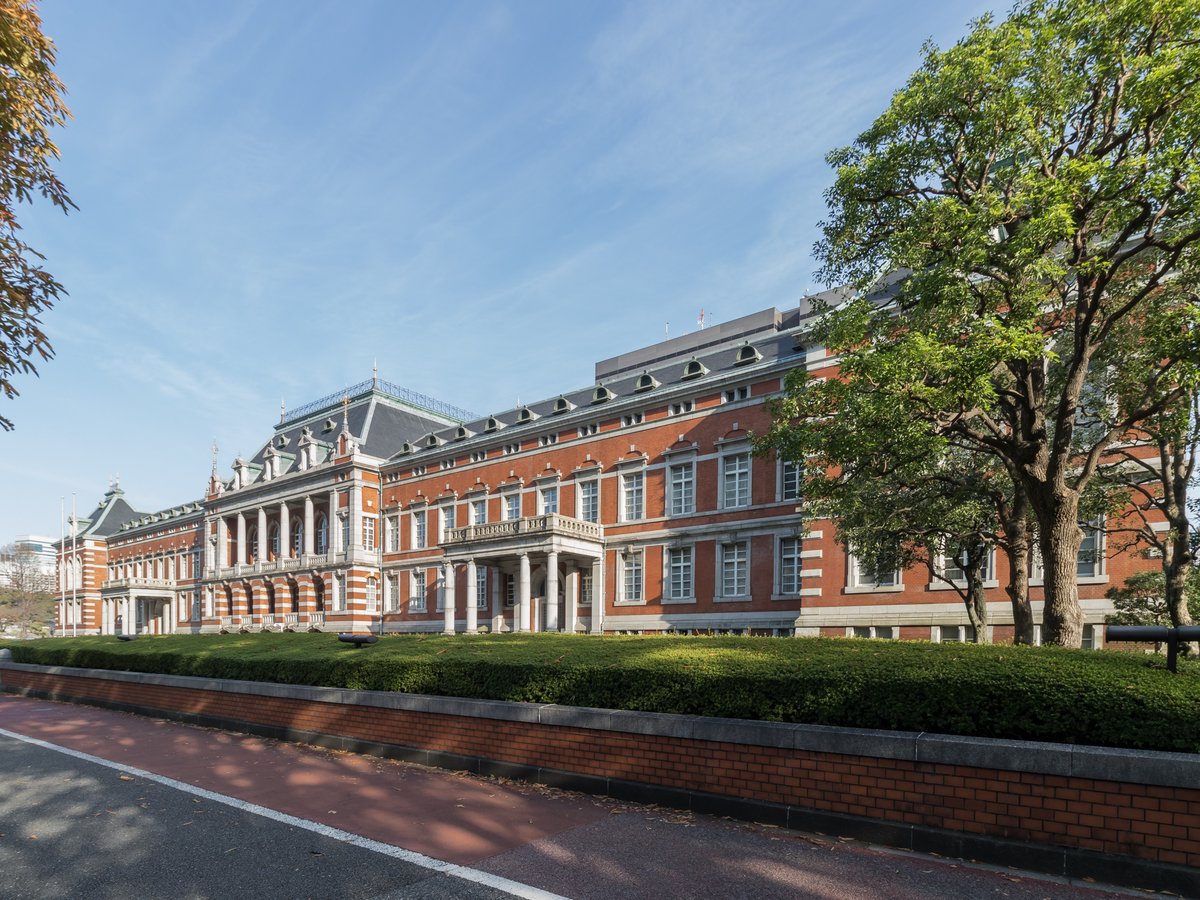
Company registration, dissolution and related registration documents; jurisdiction follows the location of the head office.

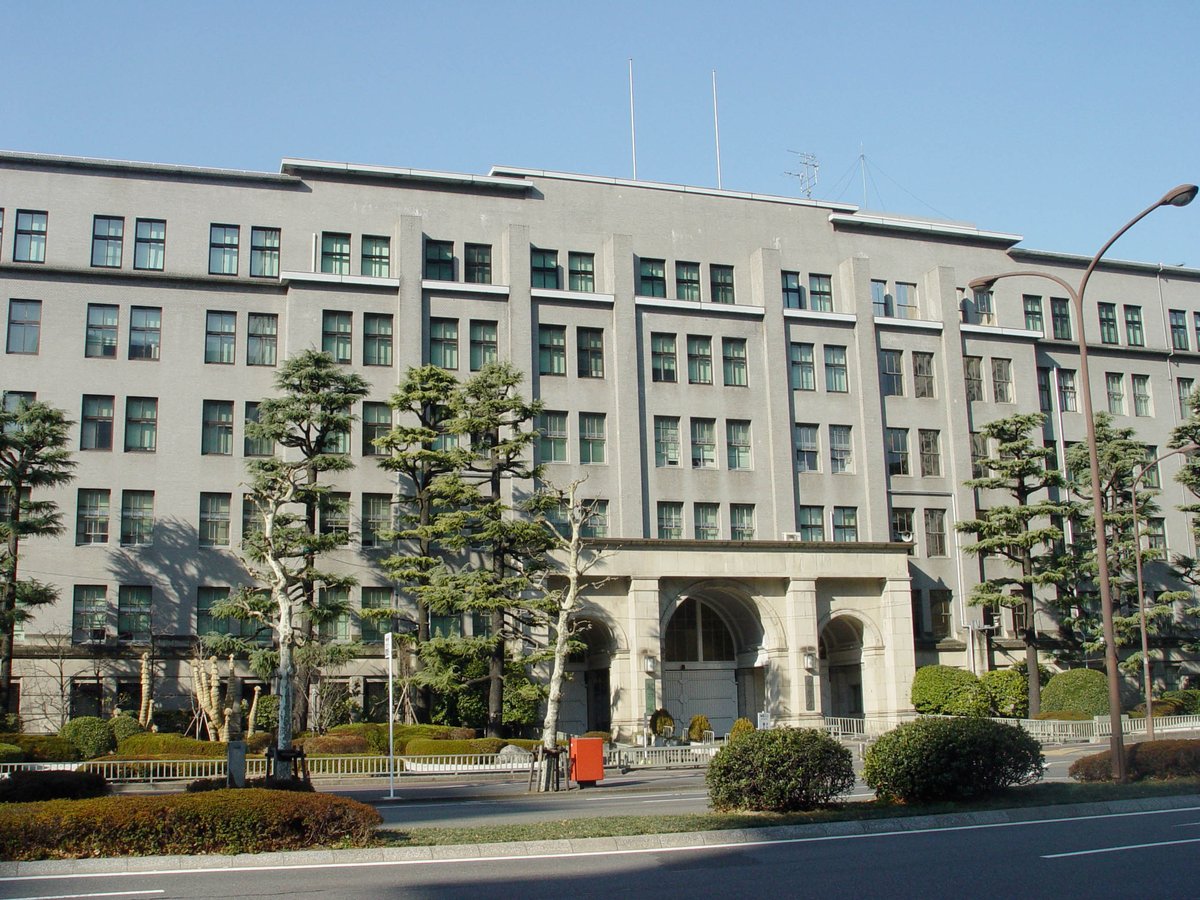
Receives national tax returns and filings; local taxes are handled separately with the local authorities.
Logos belong to the respective bodies and are shown only to identify where a matter is handled. Zagdim is not affiliated with them.
Which position is the company in now?
Closest position:
Suspending operations
- Still requiredRegistration, tax, contract and employee obligations; you cannot simply stop all filings yourself.
- Local taxesThe dormancy notification (休業届出) and any reduction are reviewed by the locality.
- What to prepareThe reason for stopping, assets and liabilities, and the plan to resume.
Next steps
- Tell the Reader Desk where the head office is and how long you expect to stop
Closing for good
- ProcedureRegistration of dissolution, appointment of a liquidator (清算人), a creditor claims period of at least 2 months, then registration of completion of liquidation.
- What to prepareShareholders’ resolution, and lists of claims, debts and contracts.
Next steps
- Have the list of claims and debts ready and tell the Reader Desk
Debts hard to pay
Where debts cannot be paid, for example because net assets are negative, the ordinary voluntary liquidation route cannot simply be used; a lawyer (弁護士, bengoshi) assesses which court procedure applies.
- What to prepareDemands for payment, security, books and litigation papers.
Next steps
- Tell the Reader Desk about the liabilities and whether a dispute has already arisen
Dormant-company notice received
- Applies whenStatutory conditions such as 12 years having passed since a KK’s last registration.
- DeadlineWithin 2 months of the public notice, file the necessary registration or notify that the company is still trading; if nothing is done, the company may be deemed dissolved.
Next steps
- Bring the notice and tell the Reader Desk as soon as possible
Closing a Japan branch
Procedures such as the retirement of all representatives in Japan of a foreign company are separate from the liquidation of a Japanese subsidiary; the creditor objection period is at least 1 month.
Next steps
- Tell the Reader Desk the parent company’s country and the number of representatives in Japan
Sources: Ministry of Justice – “Clearing of dormant companies and dormant general corporations” / Legal Affairs Bureau – examples of registration fees / Registration and Licence Tax Act / Kyoto City – explanation of the dormancy notification. Checked 29 October 2026.
02 · SERVICE
What will the professionals complete?
Who charges what
Establishes what you need, sets it out in a written brief and introduces a professional.
Quoted by the professional handling the matter once they understand your situation.
Zagdim does not charge readers a matching fee and does not handle payments for professional services. Providers quote case by case, and you contract with and pay the provider directly.
- 01Assessing the suspension
A certified tax accountant (税理士, zeirishi) and a judicial scrivener (司法書士) compare what dormancy and liquidation involve.
- 02Company registration
A judicial scrivener handles the dissolution, liquidator and completion registrations.
- 03Tax matters
A certified tax accountant handles the agreed filings and liquidation tax matters.
- 04Debts and contracts
A lawyer takes over where there is a dispute or debts are hard to pay.
03 · CASES
Whichever applies, what should you watch?
In every caseNotices to creditors, arrangements for employees and tax filings must each be dealt with separately. Reductions and filings for a dormant company are reviewed by the local tax authority; there is no nationwide exemption.

04 · SERVICE PROCESS
From stocktaking to completion: who does each step?
Who does each step is shown within the step.
- 01
Take stock of assets, debts and the purpose of continuing
You provide the books and contracts; the professional prepares the lists.
- 02
Decide the procedure and the scope of engagement
You decide between dormancy and liquidation, and contract with the professional directly.
- 03
Handle registration, notices and tax matters
A judicial scrivener handles registration; a certified tax accountant handles filings; a lawyer acts where there is a dispute.
- 04
Check completion, or obligations during dormancy
The professional confirms that liquidation is complete, or lists the filings due during dormancy.
Not included
- Company debts and taxes
- Bankruptcy or litigation not agreed in the engagement
- Employee compensation and contract termination payments
What you need to prepare
- Registration, articles of incorporation and shareholder records
- Financial and tax records
- List of claims and debts
- Employee, lease and bank details
05 · TIME
How long does it take, and what does it depend on?
The time needed depends on assets and debts, contracts, registration and tax matters. The statutory creditor claims and objection periods are minimum periods, not the time for the whole matter.
- Your preparation
Books, and lists of claims, debts and contracts
- Handled by the professional
Registration, notices and tax filings
- Statutory period
Creditor claims or objection period
06 · FEES
What costs should you prepare for?
Taxes and official fees
- Registration of dissolution (KK)¥30,000 (about US$190)(Excludes completion of liquidation and other items.)
- Registration relating to appointment of a liquidator¥9,000(General example listed by the Legal Affairs Bureau.)
- Registration of completion of liquidation¥2,000(Per filing; registration and licence tax.)
- Public notice and other official feesCalculated by notice and registration item(Worked out from the notice and the matters registered.)
Professional and service fees
- Registration and tax servicesQuoted once your situation is understood(Judicial scrivener and certified tax accountant, itemised.)
- Debts and court proceduresQuoted once your situation is understood(Conditional: debts hard to pay or in dispute; by a lawyer.)
- Zagdim Reader DeskFree of charge(Consultation, clarifying what you need and shortlisting professionals)
Quotes for registration services usually cover the dissolution, liquidator and completion-of-liquidation registrations. Tax filings, public notices and certificates are charged separately, with each professional quoting item by item. Company debts, taxes and employee compensation are not service fees.
07 · EXPERTS & PROFESSIONALS
Which Japanese professionals are involved?
Depending on the case, different Japanese professionals are involved.

Judicial scrivener
司法書士 · shihō shoshiDissolution, liquidator and completion-of-liquidation registrations.

Certified tax accountant
税理士 · zeirishiTax filings relating to dormancy and liquidation.

Lawyer
弁護士 · bengoshiDebt disputes and court procedures.
MATCHING
How Zagdim shortlists the right professionals

What you need

Zagdim Reader Desk- Clarifying the need
- Matching providers
- Follow-up at key points

The right professionalZagdim Reader Desk
Establishes what you need · shortlists and introduces · follows up
No charge to readersProfessionals in Japan
Professional advice and handling
Quote · contract · payment · receiptTell the Reader Desk where the head office is first
- You tell the Reader DeskHead office location and the company’s position
- The Reader Desk checksWhether a suitable professional can be arranged
- The Reader Desk repliesIf no suitable provider is available, we say so plainly
08 · CONSULTATION
What to have ready before you get in touch

Have the points below ready, then arrange a time by WhatsApp or email.
- Whether you want to suspend operations or close for good
- Type of company and head office location
- Whether there are unpaid amounts, security or disputes
- The current position on employees, leases and bank accounts
The Zagdim Reader Desk handles contact and follow-up.
Send us your details
The more you tell us, the better the Zagdim Reader Desk understands your situation before we speak.Four steps after you get in touch
- Contact the Reader DeskExplain the company’s position and where the head office is.
- A written briefThe Reader Desk prepares it; you confirm it.
- Introduction to a professionalBefore the introduction, the written quote, out-of-pocket costs and conditions for extra charges are confirmed.
- Quote and engagementYou decide whether to engage, and contract and pay directly.

09 · FAQ
Company dormancy and closure in Japan: common questions
Does dormancy mean the company has ended?
No. Dormancy keeps the legal entity; dissolution and liquidation are separate procedures. Tax, contract and employee obligations still need to be confirmed.
Is a company commonly called “dormant” the same as a dormant company under the Companies Act?
No. The clearing of dormant KKs (休眠会社) under the Companies Act refers to conditions such as 12 years having passed since the last registration, and differs from suspending operations by choice.
Can a dormant-company clearing notice be ignored?
No. In principle you must file the necessary registration, or notify that the company is still trading, within 2 months of the statutory public notice; otherwise the company may be deemed dissolved.
Can an ordinary liquidation be fully completed within two months?
That should not be expected. The creditor claims period alone is at least 2 months, and further liquidation and registration steps follow.
Can a Japan branch be closed by the same process as a subsidiary?
Not directly. Procedures such as the retirement of all representatives in Japan of a foreign company have their own rules, and the creditor objection period is at least 1 month.
What are the official fees for registering a dissolution?
The Legal Affairs Bureau’s KK example: ¥30,000 for registration of dissolution and ¥9,000 for registration relating to appointment of a liquidator; registration of completion of liquidation is ¥2,000 per filing. Public notices and professional fees are charged separately.
What if the company’s assets are not enough to pay its debts?
A lawyer first assesses the debts and the court procedure that applies; the ordinary voluntary liquidation route cannot simply be used.
Take stock of assets and debts first, then decide between dormancy and liquidation.
Book a free 20-minute callRegistration is handled by the Legal Affairs Bureau, and tax filings by the tax office and the local tax authority; official fees follow the current notices of the Japanese authorities. Quotes, contracts, payments and receipts for professional services are handled by the professional concerned; the outcome of any review is decided by the respective authorities. This page is general information and is not legal or tax advice. Information checked to 29 October 2026.
Photographs of institutions (Wikimedia Commons): former main building of the Ministry of Justice, Kasumigaseki, Tokyo, Kakidai (CC BY-SA 4.0); Ministry of Finance building, home of the National Tax Agency, Kasumigaseki, Tokyo, っ (CC BY-SA 3.0)