Zagdim Reader Desk · Japan family and friend visits

Japan visa to visit family or friendsVisa exemption check and document preparation

If you plan a short visit to family or friends in Japan, first confirm whether your passport is visa-exempt; where a visa is needed, you as the visitor and your host in Japan each have documents to prepare. The Zagdim Reader Desk first establishes your nationality, place of residence and itinerary, then shortlists suitable Japanese professionals.

The Tokyo skyline
Who it is forShort-term visitors to family or friends, and their hosts in Japan
Handled byAdministrative scriveners and lawyers in Japan
LanguagesEnglish or Japanese; other languages on request
Reader Desk feeFree of charge
Rules differ by nationality

Whether you need a visa at all, how long a visa-exempt stay may last, the visa fee, the documents required and the application channel all vary with your nationality, passport and country of residence. This page describes the general rule, often from the position of applicants in Taiwan and Hong Kong; passport holders of the United Kingdom, United States, Singapore, Australia, Canada and other countries should confirm the position for their own nationality with the Japanese embassy or consulate for their place of residence.

Information checked: 29 October 2026

01 · ABOUT

Do you need a visa to visit family or friends? Start with your current situation

For a short visit to family or friends, the first question is whether a visa is needed. Nationality, passport conditions, place of residence and the purpose of the visit all affect how you apply, and it cannot be judged from your host’s status in Japan alone. Where a visa is needed, the reason for the visit, the family relationship or friendship, the itinerary and the source of funds must be set out clearly.

  • A specific purposeExplain why you are visiting family or friends and how the stay is arranged.
  • Source of fundsMake clear whether the visitor or the Japan side bears the costs.
  • Limits on your stayVisit within the period granted and keep to the permitted activities.

Where it is handled

Japanese embassies and consulatesImmigration Services Agency

Handle visas to visit family or friends according to jurisdiction by place of residence and by the method they designate. On arrival you must still undergo the landing examination.

Logos belong to the respective bodies and are shown only to identify where a matter is handled. Zagdim is not affiliated with them.
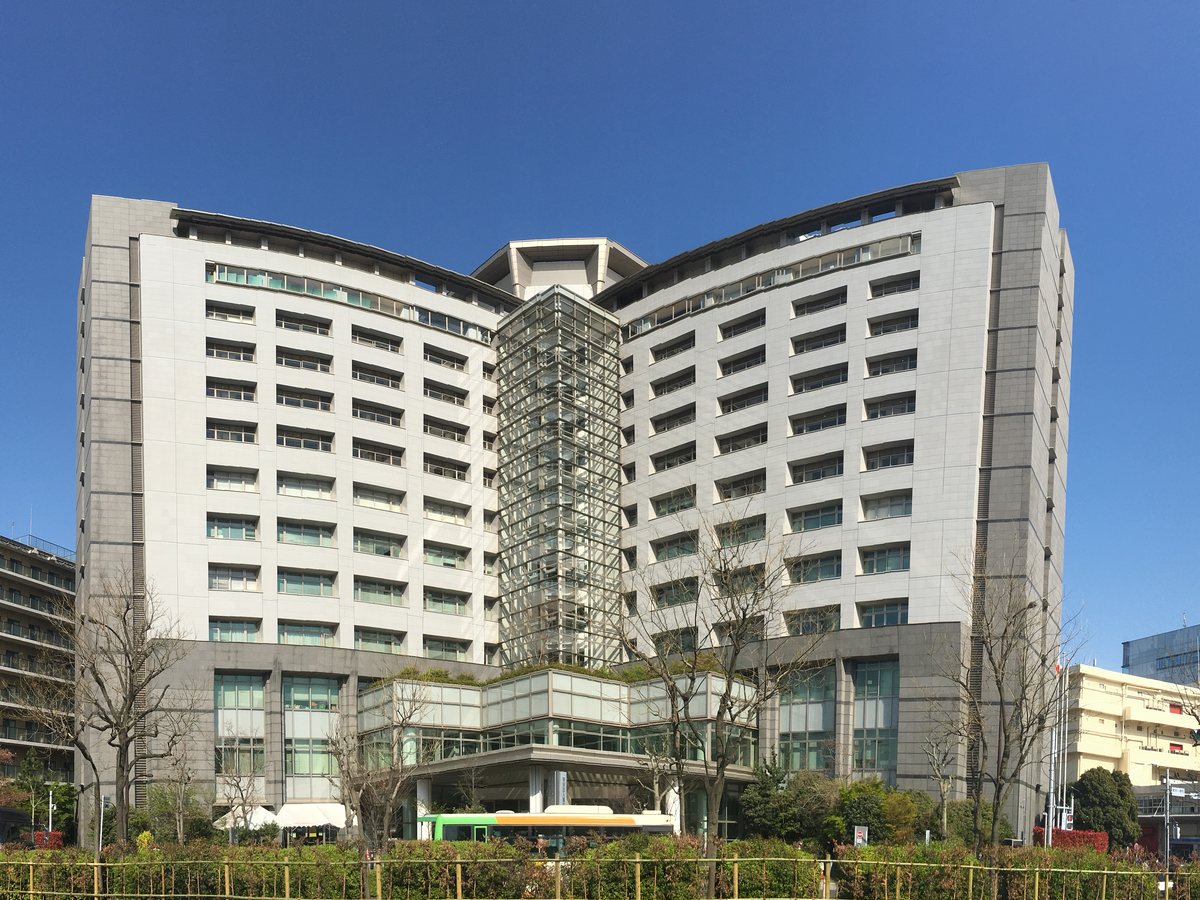
Tokyo Regional Immigration Services Bureau, Konan, Minato
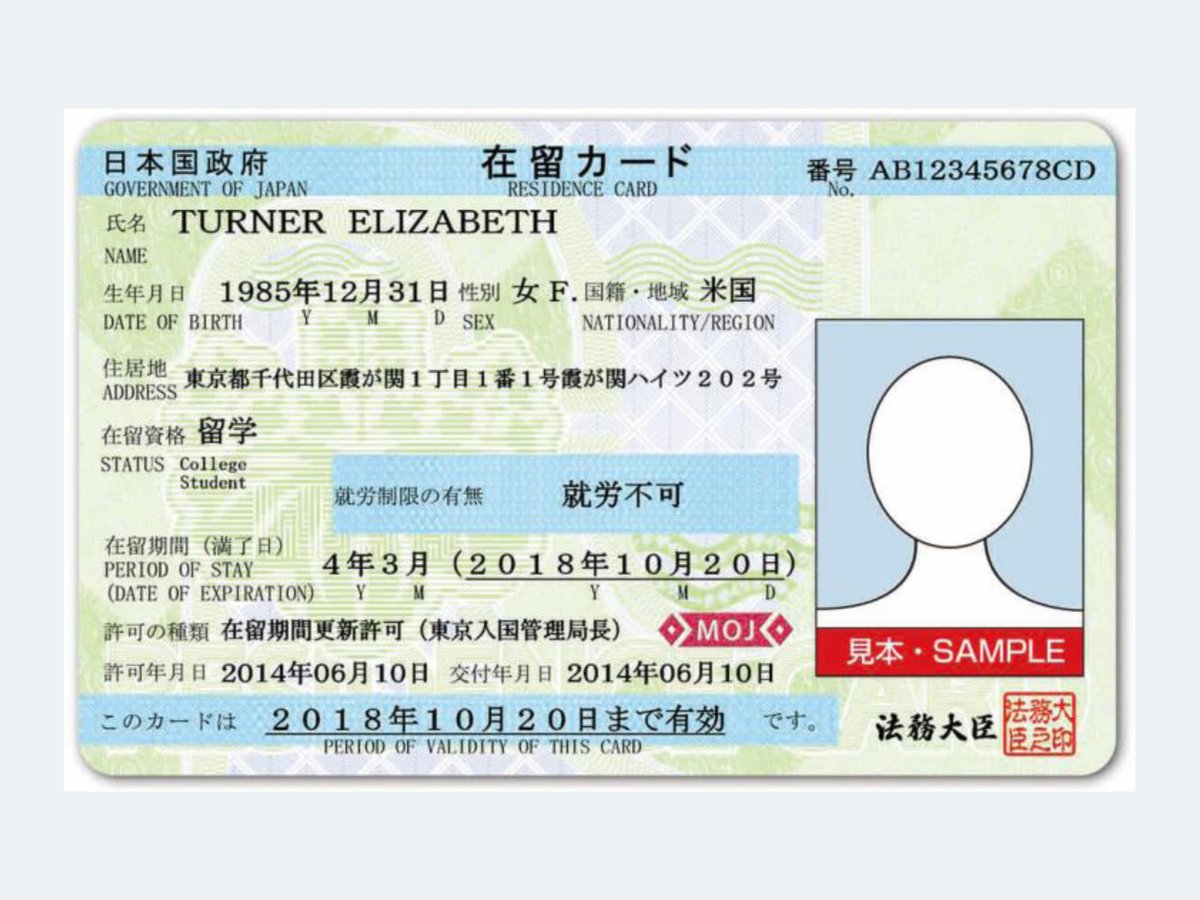
Sample residence card (image: Iwate Prefectural Government)

Start with your current situation

A visa is applied for at the Japanese embassy or consulate with jurisdiction over the visitor’s place of residence; it cannot be made to the Ministry of Foreign Affairs from inside Japan.

Start with the closest situation:

Check visa exemption first

  • What to look atNationality, type of passport and any notations in it. Some passports carry further stated conditions; check against the actual document.
  • Length of stayFor visa-exempt passports it may be 15, 30 or 90 days; it is not 90 days in every case.
  • What to preparePassport, nationality, place of residence and planned activities.

Next steps

  1. Check the Ministry of Foreign Affairs exemption list against the notations in your passport

Applying: the visitor

  • Where to applyThe Japanese embassy or consulate with jurisdiction over your place of residence, by the method it designates, which may be through a designated agency.
  • What to prepareFor a family visit, attach proof of the family relationship; for a visit to friends, proof of the friendship. Also prepare the reason for the visit, the itinerary and evidence of funds.
  • Time and feeWhere there are no particular issues, the usual guide is about 1 week from acceptance. A single-entry visa costs the equivalent of about ¥15,000 (about US$95).

Next steps

  1. Check the document list of the Japanese embassy or consulate for your place of residence

The host in Japan

  • What the host doesPrepares the invitation, itinerary and funding documents and gives them to the applicant to use; they are not sent directly to the Ministry of Foreign Affairs.
  • Check firstWhether the visitor or the Japan side bears the costs; the evidence required depends on the local list.

Next steps

  1. First establish the visitor’s nationality and place of residence, and obtain the local embassy or consulate’s list before preparing anything

Sources: Ministry of Foreign Affairs – visa application overview / list of short-term visa exemption arrangements / page on visa fees from 1 July 2026. Checked 29 October 2026.

02 · SERVICE

What do the professionals do for the application?

Confirms whether you are visa-exempt or need a visa, and prepares the purpose of the visit, the relationship and the funding documents.

Who charges what

What the Reader Desk does at no charge

Establishes what you need, sets it out in a written brief, and shortlists and introduces professionals in Japan.

Professional fees

Quoted by the administrative scrivener or lawyer handling the matter once they understand your situation.

How payments flow

Zagdim does not charge readers a matching fee and does not handle payments for professional services. Providers quote case by case, and you contract with and pay the provider directly.

  1. 01Application method and checklist

    Passport conditions, the embassy or consulate with jurisdiction and the documents required are confirmed.

  2. 02Documents from the Japan side

    Help to set out the reason for the invitation, the itinerary and the funding documents that apply.

  3. 03Review of the applicant’s documents

    Identity, place of residence, relationship and evidence of funds are checked.

  4. 04Submission and further requests

    Documents and supplementary explanations are organised to the rules of the channel the embassy or consulate designates.

03 · CASES

What should you note in every case?

In every caseAn invitation letter is not a visa or permission to enter. If you need to stay long term or to work, the appropriate status of residence (在留資格) should be assessed separately.

The purposes and scope accepted for electronic visas follow the current notices. The electronic visa process for tourism cannot simply be applied to visits to family or friends.

04 · SERVICE PROCESS

From checking your passport to applying: who does what?

First confirm visa exemption and the embassy or consulate with jurisdiction, then prepare each side’s documents separately.

English or JapaneseOther languages on request
  1. Confirm passport and purpose

    You give your nationality, passport and place of residence; whether you are visa-exempt is confirmed first.

  2. Confirm the local checklist

    The visitor’s and the host’s documents are listed separately, as the embassy or consulate for the place of residence requires.

  3. Prepare and apply

    A professional checks the relationship, itinerary and funding documents; the visitor applies by the designated method.

  4. Check the result and the itinerary

    Confirm the visa and the period of stay, and keep your travel documents.

Not included

  • Travel agency packages, flights or accommodation costs
  • Submission by an agent not recognised by the embassy or consulate
  • Long-term dependant or work residence applications

What you need to prepare

  • Passport and identity documents for your current place of residence
  • Details of the relationship and of the host
  • Actual itinerary and accommodation arrangements
  • Who bears the costs, with income and savings records

05 · TIME

How much time should you allow?

Appointments, requests for further documents, referrals and postage take additional time. Actual progress is notified by the embassy or consulate handling the application.

  1. As your documents come together

    Confirming exemption and jurisdiction

  2. Depends on where the documents come from

    Preparing both sides’ invitation and funding documents

  3. According to the local channel

    Appointment or acceptance of the application

  4. Usual guide: about 1 week from acceptance

    Examination where there are no particular issues

  5. According to the visa and landing permission granted

    Check the days of stay and your departure arrangements

06 · FEES

What is the visa fee, and what else will you pay?

Taxes and official fees

  • Single-entry visa feeAbout ¥15,000 equivalent(Accepted from 1 July 2026; charged in local currency; exceptions by nationality are checked separately.)
  • Multiple-entry visa feeAbout ¥30,000 equivalent(Accepted from 1 July 2026; charged in local currency; eligibility for multiple entry is checked separately.)

Professional and service fees

  • Professional help with documentsQuoted once your situation is understood(Depends on the scope of the Japan side’s and the applicant’s documents.)
  • Designated agency or visa centreAs quoted by the designated agency(This should not be treated as included in the government fee.)
  • Zagdim Reader DeskFree of charge(Consultation, clarifying what you need and shortlisting professionals)

Visa fees may differ or be waived depending on nationality and purpose; a designated agency’s handling charge is separate. Professional fees depend on the scope of the Japan side’s and the applicant’s documents, as stated in the written quote.

07 · EXPERTS & PROFESSIONALS

Which Japanese professionals are involved?

Depending on the case, different Japanese professionals are involved.

Administrative scrivener

行政書士 · gyōsei shoshi

Within their professional remit, can help with the Japan side’s administrative documents and the application papers. Whether they are entitled to submit to an overseas embassy or consulate on your behalf must be confirmed separately.

Lawyer

弁護士 · bengoshi

Handles legal analysis of questions of status, legal uncertainty or complex applications. How the application is accepted still follows the embassy or consulate’s rules.

MATCHING

How Zagdim shortlists the right professionals

You do not have to draft the invitation documents in Japanese or check the embassy or consulate’s list line by line on your own. First establish what the visitor and the host each need to prepare; professionals work in English or Japanese, with other languages on request.

What you need

Zagdim Reader Desk
  • Clarifying the need
  • Matching providers
  • Follow-up at key points
The right professional

Zagdim Reader Desk

Free consultation · clarifying the need · matching · follow-up

No charge to readers

Professionals in Japan

Professional advice and handling

Quote · contract · payment · receipt

Whether a professional can be arranged

  1. You tell the Reader DeskThe visitor’s nationality and place of residence, and where in Japan the host is
  2. The Reader Desk checksWhether an administrative scrivener (行政書士) who can help with the Japan side’s documents can be arranged
  3. The Reader Desk repliesIf no suitable provider is available, we say so plainly

08 · CONSULTATION

What happens next?

Zagdim Reader DeskFirst understand the situation, then shortlist the right professionals

Four steps after you get in touch

  1. Contact the Reader DeskGive the visitor’s nationality, place of residence, itinerary and relationship to the host.
  2. A written briefThe Reader Desk prepares it; once you confirm it, you agree to the introduction.
  3. Introduction to a local professionalMade according to where the host is. Before the introduction, the written quote, out-of-pocket costs and conditions for extra charges are confirmed with the provider.
  4. Quote and engagementYou decide whether to engage, and contract with and pay the professional directly.

Have ready before you get in touch:

  • The visitor’s nationality, type of passport and place of residence
  • The relationship to the family member or friend in Japan, the planned itinerary and the number of days
  • Who bears the costs

The Zagdim Reader Desk handles contact and follow-up.

Send us your details

The more you tell us, the better the Zagdim Reader Desk understands your situation before we speak.

09 · FAQ

Visiting family or friends in Japan: common questions

If your family or friends are in Japan, do you always need a visit visa?

Not necessarily. First confirm whether visa exemption applies, based on your passport, nationality and planned stay.

Does visa exemption always allow a stay of 90 days?

No. Depending on the passport, 15, 30 or 90 days may apply, and you must still check against the landing permission actually granted.

To visit a child studying in Japan, should you apply for Dependent status?

A short visit should not be made by applying for Dependent status (家族滞在). First confirm the visa exemption or visa conditions for a short-term visit.

Are the invitation documents sent directly to the Ministry of Foreign Affairs?

No. The host in Japan normally gives the documents to the applicant, who then applies by the method designated by the embassy or consulate with jurisdiction over their place of residence.

Can a host in Japan submit to the Ministry of Foreign Affairs for a relative or friend overseas?

No. Visas are handled by the Japanese embassy or consulate for the applicant’s place of residence, by the designated method; an application cannot be made to the Ministry of Foreign Affairs from inside Japan.

How much time should you allow for the visa?

Where there are no particular issues, the usual guide is about one week from acceptance. Appointments and requests for further documents may take additional time.

Can you work once the visa is granted?

No. Temporary Visitor status (短期滞在) does not permit paid activities or running a business that generates income.

Does a visa guarantee entry?

Not necessarily. On arrival in Japan you must still pass the landing examination, and keep to the purpose and period of stay granted.

Check your passport conditions first, then prepare the invitation documents.

Book a free 20-minute call

Visas are handled and examined by Japanese embassies and consulates, and a separate landing examination takes place on entry. Official fees follow the current notices of the Japanese authorities. Quotes, contracts, payments and receipts for professional services are handled by the professional concerned. This page is general information and is not legal advice.

Photographs of institutions (Wikimedia Commons): Tokyo Regional Immigration Services Bureau, Konan, Minato, Nesnad (CC BY 4.0); sample residence card (image: Iwate Prefectural Government), Iwate Prefecture Government website (CC BY 4.0)