

Zagdim Reader Desk · Japan gift and inheritance

Gift and inheritance of property in JapanTransfer registration, tax filing and family arrangements

Passing Japanese property to your family by lifetime gift or by inheritance after death involves different registrations, different taxes and different deadlines. The Zagdim Reader Desk first establishes your family and property situation, then shortlists suitable Japanese professionals.
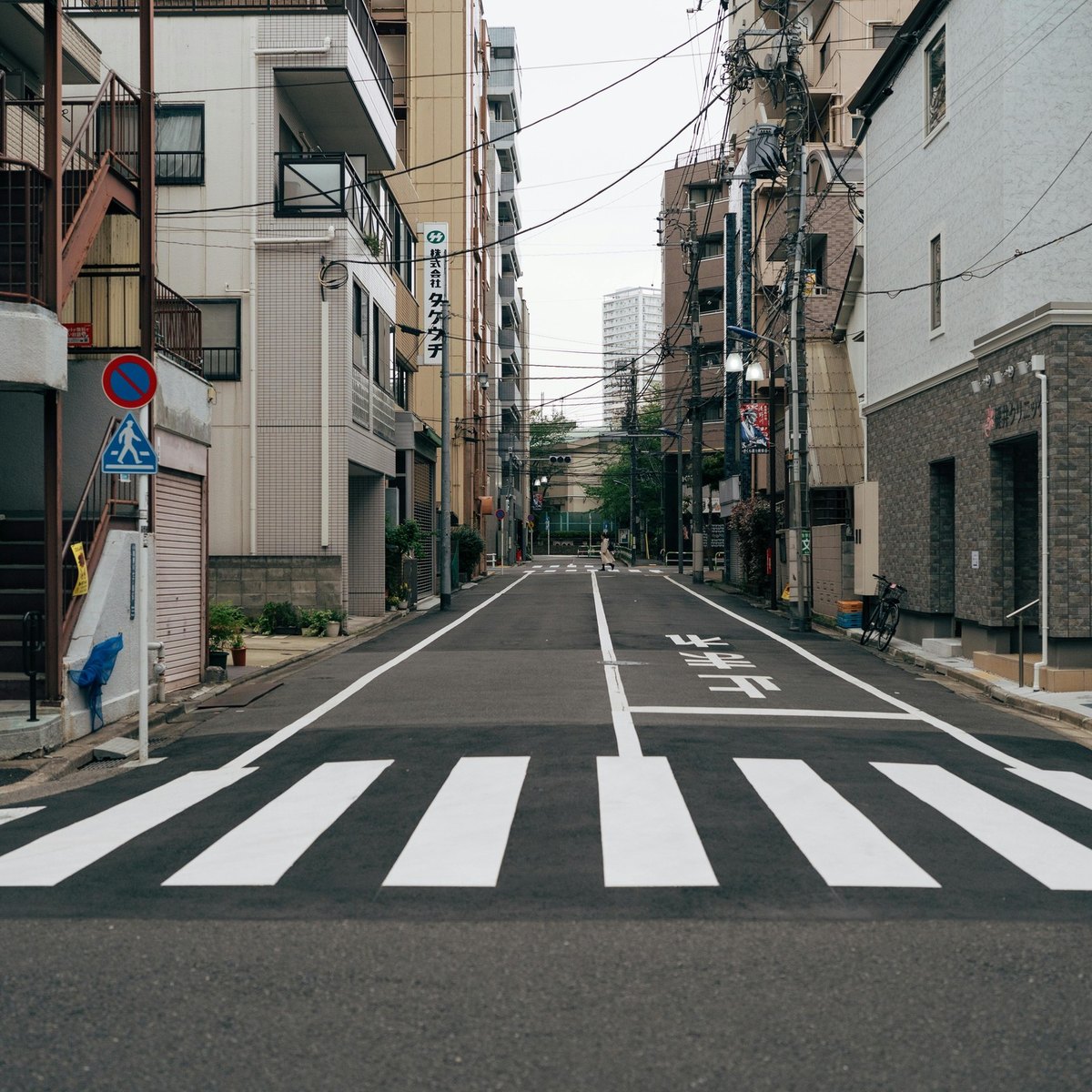
A residential street in Japan
Who it is forOwners and heirs passing Japanese property to family
Handled byLawyers, judicial scriveners and certified tax accountants in Japan
LanguagesEnglish or Japanese; other languages on request
Reader Desk feeFree of charge
Rules differ by nationality

Whether overseas assets fall within Japanese inheritance tax, the governing law of an international inheritance, and the overseas identity and family documents required all vary with each person’s nationality and history of domicile. This page describes the general rule, often written from the position of families in Taiwan and Hong Kong; passport holders of the United Kingdom, United States, Singapore, Australia, Canada and other countries should confirm the position for their own nationality.

Information checked: 29 October 2026

01 · ABOUT

Passing Japanese property to family: how do gift and inheritance differ?

Transferring Japanese property to a family member is more than changing the name on the register. Ownership, family relationships, mental capacity and the governing law must be confirmed first.

Living overseas or holding foreign nationality does not in itself remove Japanese taxes on the property. After an inheritance, the inheritance tax return, the inheritance registration and renunciation of inheritance each have a different deadline.

  • Identify the type of transfer firstGift deadlines and inheritance deadlines are not interchangeable.
  • List the debts tooRenunciation of inheritance must be assessed within the applicable deadline.
  • Keep the cost recordsOn a later sale, the acquisition cost is in principle carried over from the previous owner.

Where it is handled

Legal Affairs BureauLegal Affairs Bureau

Certificates of registered matters and registration of title. Jurisdiction depends on where the property is.

Tax officeNational Tax Agency

Handles the relevant national tax filings, tax agent notifications and related tax matters.

Logos belong to the respective bodies and are shown only to identify where a matter is handled. Zagdim is not affiliated with them.

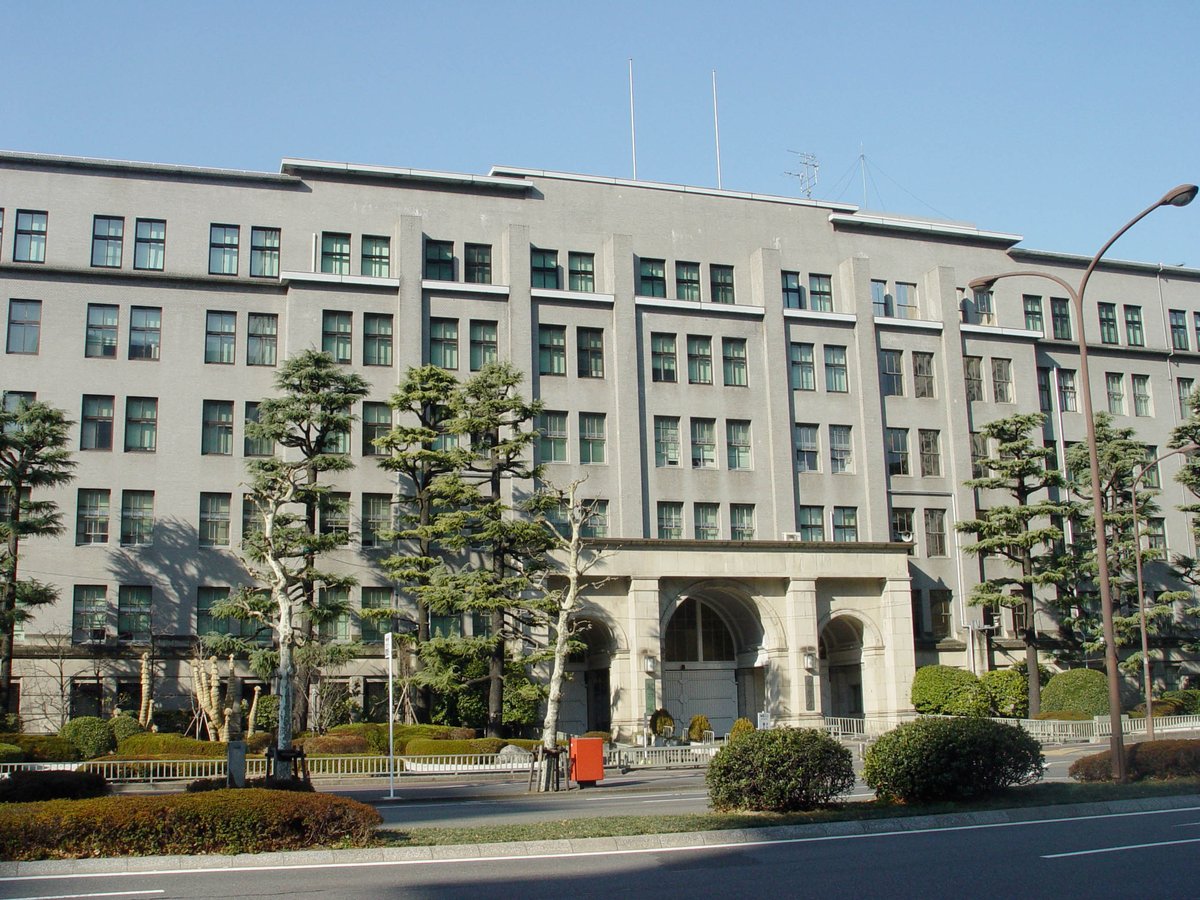
Former main building of the Ministry of Justice, Kasumigaseki, Tokyo
Ministry of Finance building, home of the National Tax Agency, Kasumigaseki, Tokyo

How will the property pass to your family?

Start with the closest situation:

A lifetime gift to family

  • The tax that appliesUnder ordinary calendar-year taxation, gift tax allows a deduction of ¥1.1 million (about US$6,900) per recipient on the total received in the year. Where there is a liability, the return is filed and the tax paid between 1 February and 15 March of the following year.
  • RegistrationThe standard registration tax rate on a transfer of ownership by gift is 2%, higher than the 0.4% for inheritance.
  • Who handles itA certified tax accountant (税理士, zeirishi) assesses the gift tax, and a judicial scrivener (司法書士) handles the transfer registration.

Next steps

  1. Check whether the family member receiving the gift has received other gifts in the same year
  2. Gather the property’s registration and acquisition cost records

An inheritance has arisen

  • The deadlines to deal with firstWhere Japanese law applies, renunciation of inheritance must in principle be made within 3 months of learning of the inheritance. Where inheritance tax is due, the return is filed and the tax paid within 10 months from the day after you learn of the death. Inheritance registration is in principle required within 3 years of learning that you have acquired the property.
  • Inheritance taxThe basic deduction is ¥30 million (about US$190,000) plus ¥6 million multiplied by the number of statutory heirs, applied once to the whole estate.
  • Who handles itA lawyer (弁護士, bengoshi) confirms the governing law and the division of the estate, a certified tax accountant handles the inheritance tax, and a judicial scrivener handles the inheritance registration.

Next steps

  1. Confirm the date of death and the date you learned of it
  2. List the assets and debts, then decide whether to renounce the inheritance

Inherited earlier, not yet registered

  • What to knowThe registration duty also applies to inheritances you already knew of before 1 April 2024 and have not yet registered. In principle these must be registered by 31 March 2027.
  • Who handles itA judicial scrivener handles the inheritance registration. If there are doubts about how the estate was divided at the time, a lawyer confirms that first.

Next steps

  1. Obtain the property’s certificate of registered matters and confirm who the current registered owner is

Family members living overseas

  • What to knowEven where an heir lives overseas, Japanese property may still fall within the scope of Japanese inheritance tax. Whether overseas assets are included depends on nationality, history of domicile and the circumstances of the deceased.
  • Prepare firstEach family member’s nationality and history of domicile, overseas proof of identity and family relationship, and any translation needed.
  • Who handles itA lawyer first confirms the governing law of the international inheritance and the validity of the documents; a certified tax accountant and a judicial scrivener then take over.

Next steps

  1. List the country or region where each family member lives and the nationality each holds

Sources: National Tax Agency – Tax Answer Nos. 4152, 4138, 4205, 4402, 7191 and 3270 / Ministry of Justice – mandatory application for inheritance registration (相続登記の申請義務化) / Courts in Japan – statement of renunciation of inheritance (相続の放棄の申述). Checked 29 October 2026.

02 · SERVICE

What do the professionals do?

Who charges what

What the Reader Desk does at no charge

Establishes your family and property situation, sets it out in a written brief, introduces professionals and follows up.

Professional fees

The lawyer, judicial scrivener and certified tax accountant each quote once they understand your situation. You contract with and pay them directly.

How payments flow

Zagdim does not charge readers a matching fee and does not handle payments for professional services. Providers quote case by case, and you contract with and pay the provider directly.

  1. 01Confirming family and title records

    The owner, the heirs, any will, and the assets and debts are set out.

  2. 02Legal and document plan

    A lawyer confirms the governing law and any agreement; a judicial scrivener checks the registration documents.

  3. 03Gift or inheritance tax assessment

    A certified tax accountant confirms the scope of tax, the deductions and the filing.

  4. 04Transfer registration and tax filing

    The relevant professionals carry out the procedures they are engaged for and keep the completed records.

03 · CASES

Which situations need extra care?

In every caseThe governing law and the validity of documents in an international inheritance must be confirmed case by case. A tax deadline is not the same as a registration deadline.

This service may not be the right fit. If you want family to manage the property while you still have mental capacity, without transferring ownership for now, compare “Family trusts in Japan”. If the family already disputes the division of the estate, a lawyer should deal with the dispute first.


Documents sorted with coloured clips beside a pair of glasses on a desk
Sale and tax documents
A sunlit apartment living room in Japan with wooden floor, sofa and round table
Interior of a Japanese home

04 · SERVICE PROCESS

From taking stock to completed registration: who does each step?

Set out the family, assets and debts first; the work is then divided between law, tax and registration.

English or JapaneseOther languages on request
  1. Take stock of family, assets and deadlines

    You provide the information; the deadlines are listed first.

  2. Confirm the legal and tax plan

    Each professional assesses the case and proposes a plan.

  3. Prepare the agreement and documents

    You confirm and sign the documents.

  4. Complete the procedures and keep the records

    Registration and filing are completed; you keep the acquisition cost records.

Not included

  • Automatic coverage of all estate procedures overseas
  • Litigation costs in a family dispute
  • Any promise of a particular tax saving
  • Asset valuation that has not been commissioned

What you need to prepare

  • Records relating to the death or the gift
  • Proof of family relationship, identity and address
  • The will and a schedule of assets and debts
  • Property registration and acquisition cost records
  • Records of earlier gifts and tax filings

05 · TIME

What are the deadlines for gifts and for inheritance?

Progress depends on family relationships, the governing law and how quickly documents can be obtained. The deadlines for renunciation, tax and registration must each be planned separately.

  1. Where Japanese law applies: in principle 3 months from learning that the inheritance has opened

    Statement of renunciation of inheritance

  2. Within 10 months from the day after learning of the death

    Inheritance tax return and payment, where applicable

  3. Within 3 years of learning that you have acquired ownership

    Inheritance registration

  4. Known before 1 April 2024 and not yet registered: by 31 March 2027

    Deadline for earlier inheritances

  5. 1 February to 15 March of the year after the year of liability

    Ordinary gift tax return and payment

06 · FEES

Which taxes and costs should you prepare for?

Taxes and official fees

  • Registration tax on transfer by inheritance0.4%(Calculated on the statutory taxable value; any applicable reduction or exemption is checked separately.)
  • Registration tax on transfer by gift2%(Calculated on the statutory taxable value; other acquisition taxes and costs are separate.)

Professional and service fees

  • Inheritance tax assessmentQuoted once your situation is understood(Confirms the scope of tax, the deductions and the filing conditions.)
  • Gift tax assessmentQuoted once your situation is understood(Assessed by the year of the gift and the regime that applies.)
  • Legal and registration servicesQuoted once your situation is understood(Itemised by family, assets and procedure.)
  • Zagdim Reader DeskFree of charge(Consultation, clarifying what you need and shortlisting professionals)

What the budget consists of: registration tax (2% for a gift, 0.4% for inheritance), gift tax or inheritance tax where there is a liability, and professional fees for registration, filing and legal work. Each professional you engage quotes their own fee; ask them to state whether overseas certificates and translation are charged separately.

07 · EXPERTS & PROFESSIONALS

Who helps?

Depending on the case, different Japanese professionals are involved.

Lawyer

弁護士 · bengoshi

Confirms the governing law, the division of the estate and any dispute.

Judicial scrivener

司法書士 · shihō shoshi

Files the registration of title by gift or inheritance on your behalf, as engaged.

Certified tax accountant

税理士 · zeirishi

Calculates gift and inheritance tax and files the returns.

MATCHING

How Zagdim shortlists the right professionals

What you need

Zagdim Reader Desk
  • Clarifying the need
  • Matching providers
  • Follow-up at key points
The right professional

Zagdim Reader Desk

Sets out a written brief · introduces the right professional · follows up

No charge to readers

Professionals in Japan

Professional advice and handling

Quote · contract · payment · receipt

Whether a professional can be arranged

  1. You tell the Reader DeskGift or inheritance, and where your family members live
  2. The Reader Desk checksWhether a lawyer, judicial scrivener or certified tax accountant can be arranged. Professionals work in English or Japanese; other languages on request
  3. The Reader Desk repliesWe say which kind of professional will take it on. If no suitable provider is available for now, we say so plainly

08 · CONSULTATION

What happens next?

Zagdim Reader DeskFirst understand the situation, then shortlist the right professionals

Four steps after you get in touch

  1. Contact the Reader DeskTell us by WhatsApp or email whether it is a gift or an inheritance.
  2. A written briefThe Reader Desk sets out the family, assets and deadlines; you confirm it.
  3. Introduction to a professionalBefore the introduction, the written quote, out-of-pocket costs and conditions for extra charges are confirmed with the provider.
  4. Quote and engagementThe professional quotes; you decide whether to engage, and contract and pay directly.

Have these points ready before you get in touch, so we can tell straight away which deadline to deal with first.

  • Whether you plan a gift or an inheritance has already arisen, and the date
  • Where the property is, who the registered owner is and the records from when it was acquired
  • Where each family member lives, their nationality and whether there is a will

The Zagdim Reader Desk handles contact and follow-up.

Send us your details

The more you tell us, the better the Zagdim Reader Desk understands your situation before we speak.

09 · FAQ

Gift and inheritance of Japanese property: common questions

Is transferring the property to your son just a change of name?

No. A gift involves a transfer of ownership and possibly tax, and the standard registration tax rate also differs from that for inheritance.

If the heir lives overseas, does Japanese inheritance tax not apply?

No. Japanese property may still fall within the scope of tax; each party’s nationality, history of domicile and other conditions must be checked.

Is the basic deduction for inheritance tax counted once per person?

No. The basic deduction for the whole estate is ¥30 million plus ¥6 million multiplied by the number of statutory heirs. Special reliefs have their own filing conditions.

Is it enough to complete registration within ten months?

Looking at registration alone is not enough. The inheritance tax return and the inheritance registration are two different deadlines with different starting points (inheritance tax runs from learning of the death; registration from learning that you have acquired ownership), and must be planned separately.

Do the new rules also cover an earlier inheritance that was never registered?

Yes. An inheritance you knew of before 1 April 2024 and have not yet registered must in principle be registered by 31 March 2027.

Can each donor give ¥1.1 million?

No. Under the ordinary calendar-year system, the ¥1.1 million deduction applies per recipient to the total received in the year; it is not counted separately for each donor.

Is the cost base reset when an inherited property is sold?

In principle, no. The acquisition cost and acquisition date carry over from the previous owner, so their acquisition records must be kept.

Check the family position and the deadlines first, then arrange the transfer.

Book a free 20-minute call

Registration and tax are handled by the Legal Affairs Bureau and the tax office respectively. Where Japanese law applies, renunciation of inheritance is filed with the family court. Official fees follow the current notices of the Japanese authorities. Quotes, contracts, payments and receipts for professional services are handled by the professional concerned; neither the Zagdim Reader Desk nor the professionals guarantee that any application or review will succeed. This page is general information and is not legal or tax advice. Information checked to 29 October 2026.

Photographs of institutions (Wikimedia Commons): former main building of the Ministry of Justice, Kasumigaseki, Tokyo, Kakidai (CC BY-SA 4.0); Ministry of Finance building, home of the National Tax Agency, Kasumigaseki, Tokyo, っ (CC BY-SA 3.0)