
































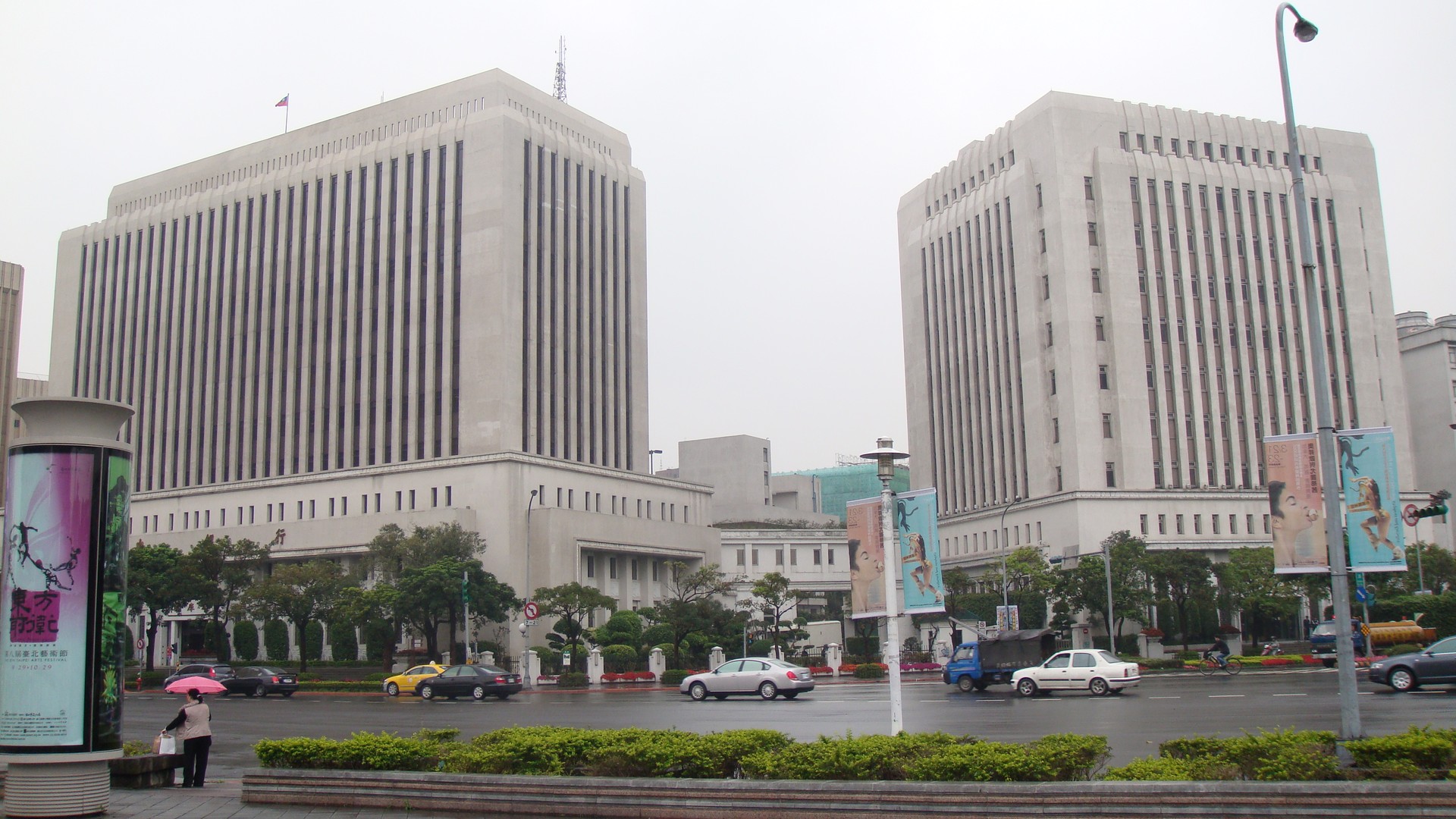
Taiwan’s annual “928” pre-sale housing season — the traditional bellwether launch window around the September 28 Teacher’s Day weekend — recorded its weakest performance in nearly six years this year, hit by the Central Bank of the Republic of China (Taiwan)’s selective credit controls on mortgage lending and cooling buyer sentiment. According to market research firm 591 New Construction (591新建案), developers nationwide launched 246 projects during the 2026 season, down 21.2% year-on-year, with total project value shrinking from NT$710.65 billion last year to NT$545.2 billion (roughly US$17.3 billion) — a 23.3% annual decline and the lowest total for the period since 2021.
Among Taiwan’s six special municipalities plus Hsinchu County and City, only two areas bucked the downtrend, and both did so on the back of a single mega-project. Hsinchu County and City’s total project value surged 225% year-on-year to NT$60.81 billion, driven largely by the launch of the NT$10 billion-plus “Dali Wutong” development in the East District. Taipei City’s total rose about 30% to NT$149.75 billion, lifted by the NT$65 billion “Nangang Star” project — though 591 New Construction noted that, excluding that single project, Taipei’s underlying launch volume is still contracting.
Elsewhere the picture was uniformly weaker. New Taipei City’s total fell roughly 40% to NT$135.47 billion and Taoyuan City’s fell about 30% to NT$103.37 billion, even with several NT$10 billion-plus projects still in the pipeline in both cities. Central and southern Taiwan fared worse: Taichung City’s total dropped nearly 50% to NT$56.93 billion, falling below the NT$100 billion mark and below Hsinchu for the first time; Tainan City fell 40% to NT$17.78 billion; and Kaohsiung City posted the steepest decline nationwide, down 66.6% to NT$21.09 billion. 591 New Construction attributed part of Kaohsiung’s fall to a structural shift in project location — away from the investment-driven Nanzih and Zuoying districts, previously buoyed by Taiwan Semiconductor Manufacturing Company (TSMC)’s fab construction, and toward owner-occupier demand areas such as Fengshan District, where unit prices and total project values run lower.
591 New Construction said developers have broadly adopted a conservative strategy of slowing new launches and prioritizing the clearance of existing inventory over new project sources, and that it expects the housing market to remain in a “bottoming-out” phase through the fourth quarter, with no clear reversal signal likely in the near term. The firm said market activity in the coming months is likely to be supported mainly by rigid end-user demand and projects from branded developers, while smaller developers with weaker financial positions or less brand strength are likely to face tougher sales conditions.
References
BigGo Finance – Taiwan’s central bank credit controls take toll: 928 pre-sale season project value evaporates by over NT$160 billion / SETN FuHouse – Builder confidence hits 6-year low: nationwide 928-season launches plunge 23%, central bank property curbs hit housing market hard