Zagdim Reader Desk · Japan home rental

Renting a home in JapanApplication, lease and move-in preparation

If you are still overseas, have just arrived in Tokyo or Osaka without an income record, or have no guarantor in Japan, your rental application may stall at screening. The Zagdim Reader Desk first establishes the city you will live in, where your workplace or school is and your budget, then shortlists local licensed brokers who can act for foreign tenants.
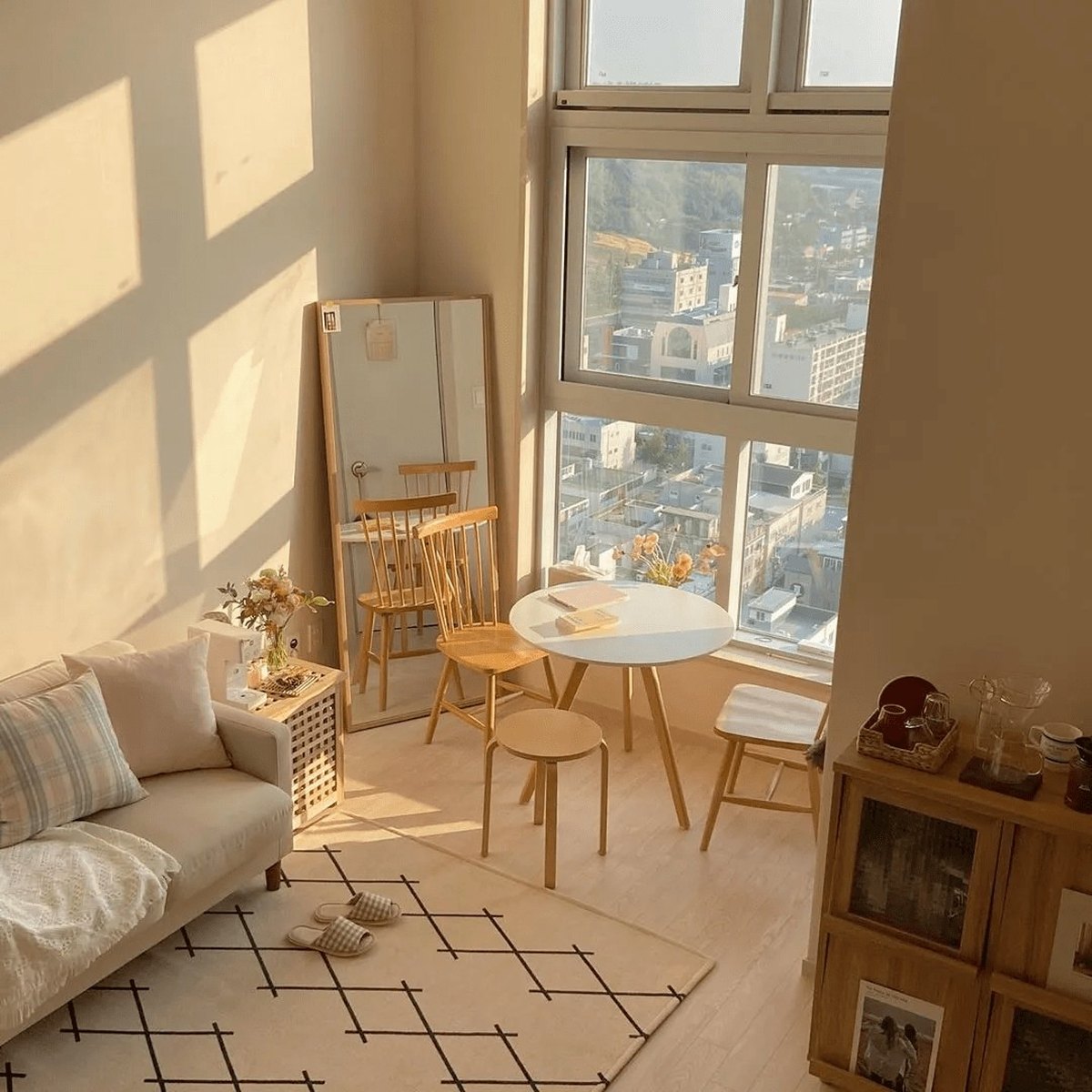
Interior of a Japanese apartment
Who it is forForeign tenants renting a home in Japan, including from overseas
Handled byLicensed real estate brokers, takkenshi and lawyers in Japan
LanguagesEnglish or Japanese; other languages on request
Reader Desk feeFree of charge

Information checked: 29 October 2026

01 · ABOUT

Renting in Japan as a foreign national: where do applications stall?

Foreign nationals renting in Japan most often run into three things: screening, the guarantor and the initial costs. Screening commonly asks for proof of identity and status of residence (在留資格), proof of income or savings, and an emergency contact. If you have no guarantor in Japan, the usual course is to use a rent guarantee company (家賃債務保証業者; the Ministry of Land, Infrastructure, Transport and Tourism runs a registration scheme for them).

Leases are either ordinary or fixed-term, and whether you can stay on at the end differs greatly, so check which kind it is before you sign. Before signing, a real estate transaction specialist (takkenshi) gives the explanation of important matters (重要事項説明), covering the type of lease, the costs, termination and the arrangements for restoring the property to its original condition when you move out.

JapanJapan

  • Application documentsFollow what the property actually requires.
  • Terms for moving outCheck the notice period and responsibility for repairs first.
  • Move-in recordKeep photographs of the condition and a list of the fittings.

How ordinary and fixed-term leases differ

Ordinary leaseFixed-term lease (定期借家)
At expiryUsually renewable; the landlord needs just cause to refuse renewalEnds at expiry; to stay on, both parties must sign a new lease
Early terminationAs set out in the termination clause of the contractFor residential use with a floor area under 200 square metres, if unavoidable circumstances such as a job transfer, medical treatment or caring for a relative make it impossible to stay, you may give notice to terminate; the lease ends 1 month after notice
Who it suitsPeople who want to stay long term and may renew laterPeople who know they will stay only until a certain date and can accept moving out at expiry

Where will you travel to every day?

You need not start by choosing a ward. First pick the area where your workplace or school is:

Tokyo · 23 wards

Search outwards from your workplace or school. The range is set by commuting time on the actual route, and may cross ward or city boundaries.

Steps to decide

  1. Set the one-way commuting time you can accept
  2. List the places that can be reached within that time
  3. Narrow the range by monthly rent budget and household needs (number of rooms, children’s schools, parking)
Budget referenceAverage monthly rent (yen)
Tokyo 23 wards100,530
Tokyo Metropolis94,802
Osaka City65,701
Japan overall65,496

Next steps

  1. Tell the Reader Desk your workplace or school address, commuting time and budget

Tokyo · Tama

The Tama area consists of the 26 cities and the towns and villages of Tokyo Metropolis outside the 23 wards. If your workplace or school is in Tama, search outwards from there along the commuting route.

Steps to decide

  1. Set the one-way commuting time you can accept
  2. List the places that can be reached within that time
  3. Narrow the range by monthly rent budget and household needs (number of rooms, children’s schools, parking)
Budget referenceAverage monthly rent (yen)
Tokyo 23 wards100,530
Tokyo Metropolis94,802
Osaka City65,701
Japan overall65,496

There is no single average monthly rent that can be cited for the Tama area; the figure for Tokyo Metropolis includes the 23 wards.

Next steps

  1. Tell the Reader Desk your workplace or school address, commuting time and budget

Osaka City

If your workplace or school is within Osaka City (24 wards): search outwards from there; the range can extend to other cities in the prefecture.

Steps to decide

  1. Set the one-way commuting time you can accept
  2. List the places that can be reached within that time
  3. Narrow the range by monthly rent budget and household needs (number of rooms, children’s schools, parking)
Budget referenceAverage monthly rent (yen)
Tokyo 23 wards100,530
Tokyo Metropolis94,802
Osaka City65,701
Japan overall65,496

Next steps

  1. Tell the Reader Desk your workplace or school address, commuting time and budget
  2. If you are relocating alone for work or coming to study, first check whether your employer or school provides its own accommodation

Elsewhere in Osaka Prefecture

If your workplace or school is in another city in Osaka Prefecture: search outwards from there along the commuting route; you may cross city boundaries.

Steps to decide

  1. Set the one-way commuting time you can accept
  2. List the places that can be reached within that time
  3. Narrow the range by monthly rent budget and household needs (number of rooms, children’s schools, parking)
Budget referenceAverage monthly rent (yen)
Tokyo 23 wards100,530
Tokyo Metropolis94,802
Osaka City65,701
Japan overall65,496

The average monthly rent for Osaka Prefecture as a whole is ¥64,263 (about US$400), including Osaka City; there is no single average for the other cities in the prefecture.

Next steps

  1. Tell the Reader Desk your workplace or school address, commuting time and budget

Elsewhere or undecided

In other cities, start in the same way from the place you will travel to every day. If the city is not yet decided, settle the job or school first so that the search area can be fixed; if you sign before the job or school is confirmed, you may have to move again.

Budget referenceAverage monthly rent (yen)
Tokyo 23 wards100,530
Tokyo Metropolis94,802
Osaka City65,701
Japan overall65,496

The same Ministry of Internal Affairs and Communications survey also lists average monthly rents by prefecture and by city and ward, which you can look up by city to check against your budget.

Next steps

  1. First settle the city and the place you will travel to every day
  2. Then set commuting time and budget

Sources: average monthly rent – Statistics Bureau, Ministry of Internal Affairs and Communications, 2023 Housing and Land Survey (令和5年住宅・土地統計調査), table 130-2 (privately owned rented housing, dwellings used exclusively for living, excluding those with a rent of ¥0). It is the average for tenancies in place on 1 October 2023, not asking rents, and excludes deposits, key money and common service charges. Checked 29 October 2026. Composition of wards and cities: official data of Tokyo Metropolis and Osaka City.

02 · SERVICE

What does the broker do?

Who charges what

What the Reader Desk does at no charge

Establishes what you need, sets it out in a written brief, introduces a local licensed broker by city and follows up until the introduction is made; there is no charge to readers.

Brokerage fee

Quoted by the licensed broker handling the matter once they understand your situation. If you decide to engage them, you contract with, pay and receive receipts from the broker directly.

How payments flow

Zagdim does not charge readers a matching fee and does not handle payments for professional services. Providers quote case by case, and you contract with and pay the provider directly.

  1. 01Checking needs and properties

    A licensed broker confirms your purpose, move-in requirements and the properties you can apply for.

  2. 02Preparing the application

    Identity, income and contact details are put in order as the landlord and the firms involved require.

  3. 03Explaining the contract and costs

    A takkenshi explains the important matters and checks the lease term and costs.

  4. 04Move-in and move-out records

    The condition, the fittings and the agreed notice arrangements are recorded.

03 · CASES

What should you prepare for your situation?

Four common situations

Start with the closest situation:

No income in Japan

  • What to prepareProof of savings, proof of enrolment or employment, and an emergency contact.
  • How brokers usually handle itThe broker first asks the landlord and the guarantee company whether savings or proof of enrolment or employment can stand in for proof of income, then selects properties willing to accept the application.

No guarantor

  • What to preparePassport and residence documents, evidence of ability to pay, and one emergency contact.
  • How brokers usually handle itThe broker arranges screening by a rent guarantee company and sets out the guarantee fee and renewal fee (as quoted by the guarantee company). Where the property specifies a guarantee company, the property’s rule is followed.

Still overseas

  • What to preparePassport, status of residence or visa progress, expected dates of arrival and move-in, and budget.
  • How brokers usually handle itThe broker first asks whether the landlord accepts applications before arrival, and confirms whether the explanation of important matters can be given by video call. Where the application can be accepted, signing and move-in are then arranged around your arrival date.

A short stay first

  • What to prepareHow long you expect to stay, and the city or area where you intend to live long term afterwards.
  • How brokers usually handle itThe broker confirms whether the property accepts a short lease, how much notice early termination requires and whether there is a penalty. For a very short stay, you can first compare furnished short-term accommodation.

In every caseScreening results, acceptable documents and arrangements at expiry must all be confirmed property by property; an introduction to a broker does not mean the screening will be passed.

This service may not suit everyone. If you are staying only a few weeks to a few months, the initial costs and termination terms of a standard lease may not be worthwhile, and you can first compare furnished short-term accommodation. If your employer or school has already arranged accommodation, you will not usually need to look separately. If you are already renting and only want to deal with moving out or a deposit dispute, see “Administrative and legal problems in Japan”.
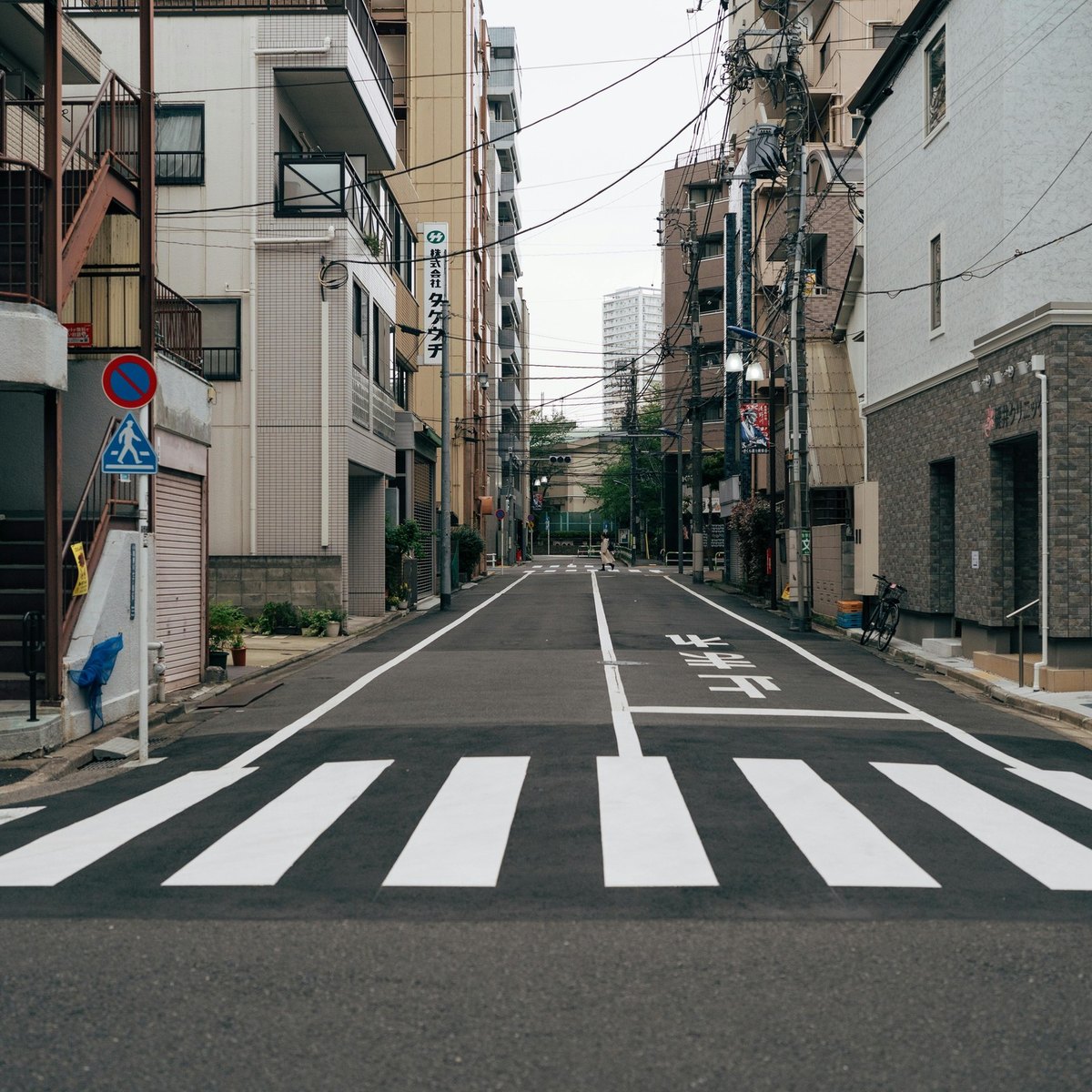

Apartment blocks and a pedestrian crossing on a residential street in Japan
A residential neighbourhood in Japan
Documents sorted with coloured clips beside a pair of glasses on a desk
Tenancy and management documents

04 · SERVICE PROCESS

From search to move-in: who does what first?

First confirm your move-in date, budget and the fittings you need. The broker then checks the properties you can apply for and the documents, the lease term and costs are explained before signing, and the condition is recorded at move-in.

English or JapaneseOther languages on request
  1. Confirm housing needs and budget

    You and the Reader Desk: move-in date, area, budget and residence status, set out in a written brief.

  2. Introduction to a broker and comparing properties

    The Reader Desk introduces a suitable licensed broker; the broker presents properties and arranges viewings.

  3. Application and screening

    You submit the application documents to the broker; the landlord and the guarantee company screen the application, and the outcome is theirs to decide.

  4. Explanation of important matters and signing

    A takkenshi explains the type of lease, the costs and the terms for moving out; once you have confirmed them, you sign and pay.

  5. Move-in and condition record

    At handover you photograph the condition and the fittings, as the basis for checking when you move out.

Not included

  • The landlord’s screening decision
  • Taking on the tenant’s debts in the tenant’s place
  • Furniture or removals not agreed
  • Tenancy dispute litigation

What you need to prepare

  • Passport and applicable residence documents
  • Proof of employment and income
  • Details of occupants and contacts
  • Lease term, budget and parking needs

05 · TIME

What stages are there before you have a home?

Renting falls broadly into five stages. The pace depends mainly on whether properties are vacant, on how quickly the landlord and the guarantee company screen the application, and on whether the documents are complete. Before engaging a broker, you can ask for an estimated timetable.

  1. Confirm criteria

    Set the range from the place you travel to every day, then the move-in date and budget

  2. Search and view

    Compare properties along the route to work or school

  3. Application and screening

    Screening by the landlord and the guarantee company

  4. Explanation and signing

    Signing after the takkenshi explains the important matters

  5. Pay and move in

    Pay the initial costs, take handover and record the condition

What you can do in advance: have your passport and residence card (or visa progress), proof of income or savings and emergency contact details ready.

06 · FEES

What do the initial costs consist of?

Professional and service fees

  • Residential letting brokerage feeQuoted once your situation is understood(Cap including tax: 1.1 months’ rent from both parties combined; without the tenant’s prior consent, the tenant’s share is capped at 0.55 months.)
  • Rent, deposit and key moneyAs quoted by the landlord(Whether a deposit and key money are charged, and how many months, depends on the property.)
  • Rent guarantee company and insurance premiumsAs quoted by the guarantee and insurance providers(Also confirm the renewal fee and refund conditions.)
  • Lock change, parking and other costsAs quoted for the property(Itemised by property and need.)
  • Zagdim Reader DeskFree of charge(Consultation, clarifying what you need and shortlisting professionals)

How the initial costs add up (a worked example, not a quote): assume a monthly rent of ¥100,000 (about US$625), a deposit and key money of 1 month each, and a brokerage fee at the statutory cap of 1.1 months including tax. First month’s rent ¥100,000 + deposit ¥100,000 + key money ¥100,000 + brokerage fee ¥110,000 comes to ¥410,000 (about US$2,560). Rent guarantee company, insurance, lock change and other costs are added, in the amounts quoted by each provider.

The first month’s rent may be calculated from the move-in date; whether a deposit and key money are charged, and how many months, depends on the property. Before signing, ask the broker for an itemised breakdown.

Official documents you can bring to compare at signing: the translated versions of the tenancy application form and the model explanation of important matters in the Ministry of Land, Infrastructure, Transport and Tourism’s guideline on smoother access to private rented housing for foreign nationals (外国人の民間賃貸住宅入居円滑化ガイドライン), and the translated version of the condition checklist (入退去時の物件状況及び原状回復確認リスト(例)). All are on the mlit.go.jp page 外国人の民間賃貸住宅への円滑な入居について.

07 · EXPERTS & PROFESSIONALS

Who helps with the search and signing?

Depending on the case, different Japanese professionals are involved.

Licensed real estate broker

宅地建物取引業者 · takuchi tatemono torihiki gyōsha

Introduces properties, arranges viewings, submits the rental application and liaises with the landlord and the guarantee company.

Real estate transaction specialist

宅地建物取引士 · takkenshi

Explains the important matters of the tenancy and the conditions of the property.

Lawyer

弁護士 · bengoshi

Gives legal advice on disputes over special clauses, termination or restoration to original condition.

MATCHING

How Zagdim shortlists the right professionals

You do not have to ask broker after broker in Japanese whether they accept foreign tenants. Initial costs and lease terms are made clear before you sign; professionals work in English or Japanese, with other languages on request.

What you need

Zagdim Reader Desk
  • Clarifying the need
  • Matching providers
  • Follow-up at key points
The right professional

Zagdim Reader Desk

Sets out the city, the place you travel to every day, budget and move-in date in a written brief · shortlists local licensed brokers by city · helps confirm the cost items before signing

No charge to readers

Professionals in Japan

Professional advice and handling

Quote · contract · payment · receipt

Can a broker be arranged in the city where you will live?

Brokers must hold a real estate brokerage licence (宅地建物取引業免許), which can be checked in the Ministry of Land, Infrastructure, Transport and Tourism’s broker information search system.

  1. You tell the Reader DeskThe city where you will live, the place you travel to every day and when you hope to move in
  2. The Reader Desk checksWhether a licensed broker who accepts foreign tenants is available locally. Professionals work in English or Japanese; other languages on request
  3. The Reader Desk repliesIf it can be arranged, we say which kind of professional will take it on. If no suitable provider is available for now, we say so plainly

08 · CONSULTATION

How do you get started?

Zagdim Reader DeskFirst understand the situation, then shortlist the right professionals

What happens after the consultation

  1. Contact the Reader DeskArrange a time by WhatsApp or email and explain the city, the location and your move-in date.
  2. A written briefYour budget, situation and documents are set out in a list for you to confirm.
  3. Introduction to a licensed broker by locationBefore the introduction, the broker is asked whether a written quote can be given, which items are out-of-pocket costs and in what circumstances extra charges arise.
  4. The broker quotes; you decideThe broker explains the properties, costs and timetable; if you decide to engage them, you contract and pay directly.

Have these points ready before you get in touch, so the Reader Desk can go straight to what matters; once a time is confirmed, a call invitation is sent to you.

  • The city where you will live, the address of the workplace or school you travel to every day, and the one-way commuting time you can accept
  • Your monthly rent ceiling and the amount you can set aside for initial costs
  • The visa or residence card you currently hold and, if you are still overseas, the date you expect to arrive
  • The proof of income, savings, enrolment or employment you can provide
  • Number of occupants, and needs such as number of rooms, children’s schools, pets and parking

The Zagdim Reader Desk handles contact and follow-up.

Send us your details

The more you tell us, the better the Zagdim Reader Desk understands your situation before we speak.

09 · FAQ

What other questions come up often?

Can you apply to rent while still overseas?

It depends. Whether an application can be accepted depends on the landlord and the broker. The explanation of important matters may be given by video call in accordance with the rules, and documents may be provided electronically with the tenant’s consent. Your arrival date and the position on your status of residence should be made clear first.

Can you rent without income in Japan?

It depends. You can offer proof of savings, enrolment or employment instead; whether it is accepted is decided by the landlord and the guarantee company on screening.

What if you have no guarantor in Japan?

The usual course is to use a rent guarantee company; the fee and renewal fee are as quoted by the guarantee company. An emergency contact is usually required as well.

How much should you set aside for initial costs?

It depends on the property. They generally include the first month’s rent, deposit, key money, brokerage fee, and rent guarantee company and insurance costs. Whether a deposit and key money are charged, and how many months, varies from property to property. Before signing, you can ask the broker to list every item.

Is the letting brokerage fee always one month’s rent?

Not necessarily. The law caps the brokerage fee: including tax, the landlord and tenant together pay no more than 1.1 times one month’s rent; without the tenant’s prior consent, the tenant pays no more than 0.55 months.

Does the tenant pay in full for natural ageing?

In principle, no. Wear from normal use and natural ageing are already covered by the rent, though the special clauses of the contract and the cause of any damage still need to be examined.

How far ahead must expiry of a fixed-term lease be notified?

Where the lease term is one year or more, the landlord must in principle give notice between one year and six months before expiry.

Settle the place you travel to every day and your commuting time first, then confirm budget, screening conditions and initial costs.

Book a free 20-minute call

Official fees follow the current notices of the Japanese authorities. Quotes, contracts, payments and receipts for professional services are handled by the professional concerned; neither the Zagdim Reader Desk nor the professionals guarantee that any application or review will succeed. This page is general information and is not legal or tax advice. Information checked to 29 October 2026.