

Zagdim Reader Desk · Japan naturalisation
Japanese citizenship by naturalisationNationality conditions and document preparation
If you are considering Japanese nationality, first confirm the effect on your original nationality and which category of conditions applies to you. The Zagdim Reader Desk first establishes your history in Japan and family situation, then shortlists suitable Japanese professionals.

Whether you must give up your original nationality, the exceptions, and the status documents you need to obtain depend on the law and issuing authorities of your country of nationality. This page describes the general rule under Japanese law, written largely from the position of applicants from Taiwan and Hong Kong; passport holders of the United Kingdom, United States, Singapore, Australia, Canada and other countries should confirm the position for their own nationality.
Information checked: 29 October 2026
01 · ABOUT
What does naturalisation require? Start with your applicant category
Naturalisation (帰化) is the procedure for acquiring Japanese nationality. It is granted by the Minister of Justice and differs from permanent residence, which does not change your nationality. An assessment looks at your living conditions in Japan, the law of your original nationality and your family status documents together, and preparation follows the requirements of the Legal Affairs Bureau with jurisdiction over your place of residence.
- 01Original nationalityIn principle you must lose your original nationality on naturalisation; first check the exceptions and consequences under the law of that nationality.
- 02A personal procedureA document service cannot replace attending and explaining in person.
- 03Case-by-case reviewThe review has no fixed number of days; do not tie travel plans to a completion date.

Where it is handled

Handles naturalisation consultations and applications for the area where you live.
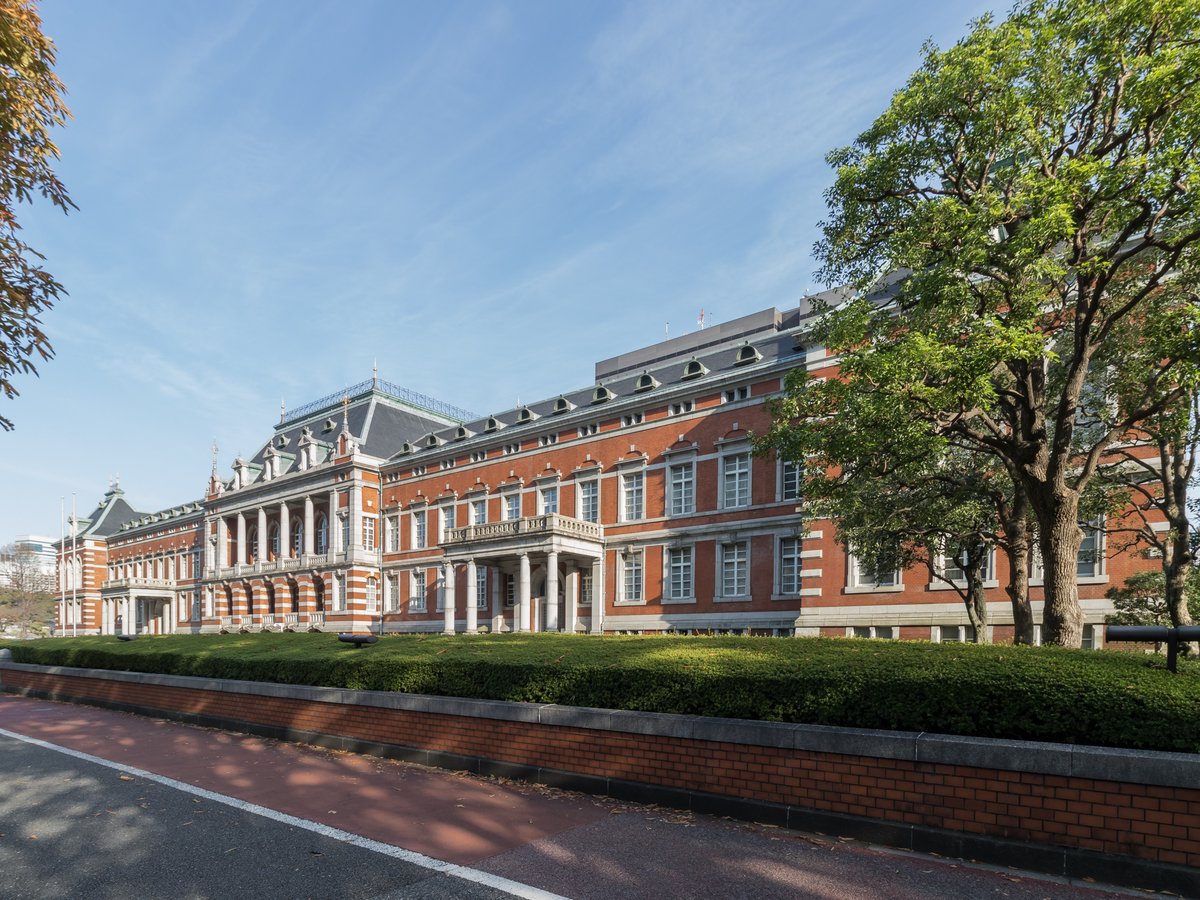
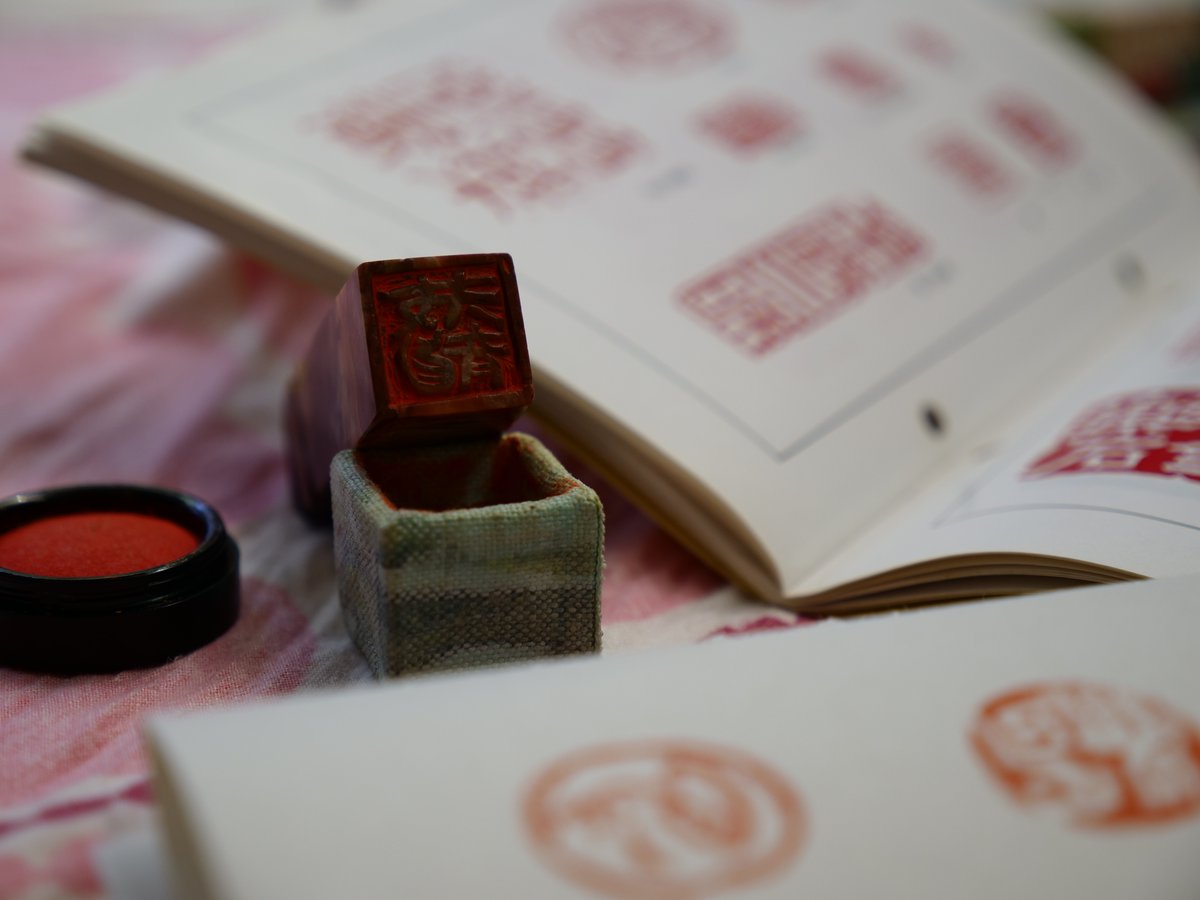
Logos belong to the respective bodies and are shown only to identify where a matter is handled. Zagdim is not affiliated with them.
Start with your applicant category
The documents differ for each person, and the checklist of the Legal Affairs Bureau for your place of residence is always final.
Start with the closest situation:
Long-term life in Japan
- ResidenceThe statutory condition is a lawful address in Japan for 5 consecutive years or more. The Ministry of Justice additionally refers to 10 years or more of residence and to integration, such as everyday Japanese, and the review is made as a whole.
- Other conditionsAged 18 or over and of full age under the law of your home country; conduct, livelihood, tax payment and original nationality are examined together.
- What to prepareResidence, employment, tax, family and original nationality records.
Next steps
- Book a consultation with the Legal Affairs Bureau for your place of residence and obtain your individual document checklist
Japanese family ties
- ConditionsSpecial conditions may apply; the general conditions cannot simply be assumed, and the competent Legal Affairs Bureau confirms which apply.
- What to prepareProof of marriage, birth, family relationships and life in Japan.
Next steps
- Have marriage, birth and other status documents ready and confirm the applicable conditions with the competent Legal Affairs Bureau
Records in several places
- DocumentsRecords of personal status, relatives, personal history and livelihood must be obtained from each place of issue. A family register (戸籍) is created after permission, so a passport and residence card alone are not enough.
- What to prepareFull personal history, records of name changes, and status documents from each place.
Next steps
- List the countries or regions where you have lived or worked, and any name changes
Sources: Ministry of Justice – “Nationality Q&A” / Ministry of Justice – “Application for permission for naturalisation” page. Checked 29 October 2026.
02 · SERVICE
What do the professionals do for the application?
Assessment of nationality and of your living conditions in Japan, and preparation of the naturalisation application and your in-person steps as the Legal Affairs Bureau requires.
Who charges what
Establishes what you need, sets it out in a written brief, and shortlists and introduces professionals in Japan.
Quoted by the administrative scrivener or lawyer handling the matter once they understand your situation.
Zagdim does not charge readers a matching fee and does not handle payments for professional services. Providers quote case by case, and you contract with and pay the provider directly.
- 01Initial assessment of conditions
Nationality, residence, family and life-in-Japan records are organised for professional assessment.
- 02Planning the document list
Issuing authorities and translation needs are checked against the Legal Affairs Bureau’s requirements.
- 03Preparing written materials
Help with drawing up the personal history, family and livelihood materials for the application.
- 04Consultation and further documents
Help with organising the matters you must explain in person and the supporting evidence.
03 · CASES
What should every applicant watch?
In every caseNaturalisation may affect your original nationality and the status rights attached to it, so the law that applies to you personally must be checked. Years of permanent residence do not in themselves settle a naturalisation application.
04 · SERVICE PROCESS
From assessment to your own application: who does each step?
Confirm the applicable conditions and where the documents come from first; you then apply to the Legal Affairs Bureau in person.
- 01
Confirm the aim and the conditions
You set out your nationality, family and history in Japan; the professional assesses which conditions apply.
- 02
Confirm with the competent Legal Affairs Bureau
You book a consultation and obtain your individual document checklist.
- 03
Prepare and apply in person
The professional helps to organise the written materials; you attend and file in person.
- 04
Respond to the review
Supply further documents as the Legal Affairs Bureau requests; once you have the result, confirm the nationality and family register procedures.
Not included
- Standing in for the attendance in person required by law
- Unverified conclusions on the law of your original nationality
- Planning travel around a fixed number of review days
What you need to prepare
- Passport and full history of your statuses of residence
- Birth, marriage and family status documents
- Income, tax payment and livelihood records
- Records of name changes, employment and entry and exit
05 · TIME
How long is the wait, and who decides?
The time to obtain and translate documents depends on each issuing authority. The Ministry of Justice sets no uniform standard processing period; consultations, requests for further documents and the progress of the review follow the Legal Affairs Bureau’s notices.
- Scheduled by how preparation progresses
Assessment of conditions and nationality consequences
- Scheduled by appointment with the competent Legal Affairs Bureau
First consultation and document check
- Depends on the issuing authority
Obtaining and translating documents
- Scheduled by how preparation progresses
You attend in person and file the written application
- Scheduled by the Legal Affairs Bureau’s review and notices
Further documents, the result and subsequent status procedures
06 · FEES
What costs should you prepare for?
Taxes and official fees
- Naturalisation application fee¥0
Professional and service fees
- Document preparation and professional servicesQuoted once your situation is understood(Depends on the complexity of nationality, family and history.)
- Translation and obtaining certificatesQuoted once your situation is understood(Issuing authorities’ fees are checked separately.)
- Zagdim Reader DeskFree of charge(Consultation, clarifying what you need and shortlisting professionals)
Professional fees depend on the complexity of your nationality, family and history. Translation and obtaining certificates are charged separately, issuing authorities’ fees are checked separately, and the written quote governs.
07 · EXPERTS & PROFESSIONALS
Which Japanese professionals are involved?
Depending on the case, different Japanese professionals are involved.

Administrative scrivener
行政書士 · gyōsei shoshiCan help with preparing naturalisation documents and with consultations; may not replace the application you are required by law to make in person.

Lawyer
弁護士 · bengoshiAssesses nationality, family and complex legal questions; the requirement to attend in person still follows the official procedure.
MATCHING
How Zagdim shortlists the right professionals
You do not have to work through documents from several issuing places and the Legal Affairs Bureau’s checklist in Japanese on your own. First establish which category applies and where each document comes from. Professionals work in English or Japanese; other languages on request.

What you need

Zagdim Reader Desk- Clarifying the need
- Matching providers
- Follow-up at key points

The right professionalZagdim Reader Desk
Free consultation · clarifying the need · matching · follow-up
No charge to readersProfessionals in Japan
Professional advice and handling
Quote · contract · payment · receiptWhether a professional can be arranged locally
- You tell the Reader DeskWhich prefecture you live in, and which category you fall into
- The Reader Desk checksWhether a suitable administrative scrivener can be arranged locally; a lawyer is found separately for questions of nationality law
- The Reader Desk repliesIf no suitable provider is available, we say so plainly
08 · CONSULTATION
What happens next?

Four steps after you get in touch
- Contact the Reader DeskSet out your nationality, history in Japan and family relationships.
- A written briefThe Reader Desk prepares it; once you confirm it, you agree to the introduction.
- Introduction to a local professionalMade by place of residence. Before the introduction, the written quote, out-of-pocket costs and conditions for extra charges are confirmed with the provider.
- Quote and engagementYou decide whether to engage, and contract with and pay the professional directly.
Have ready before you get in touch:
- Your nationality, years in Japan and current status of residence
- Whether you have a Japanese spouse or other Japanese family ties
- The countries or regions where you have lived or worked, and whether you have changed your name
The Zagdim Reader Desk handles contact and follow-up.

Send us your details
The more you tell us, the better the Zagdim Reader Desk understands your situation before we speak.09 · FAQ
Naturalisation in Japan: common questions
Is naturalisation the same as permanent residence?
No. Naturalisation means acquiring Japanese nationality; permanent residence is a status of residence and does not change your nationality.
Is five years of residence enough?
Not necessarily. The general statutory residence condition is 5 years; the authorities additionally cite 10 years or more of residence and integration factors such as Japanese language, and the review is still made as a whole.
Has the law changed five years to ten?
No. The general statutory residence condition remains 5 years; the 10 years of residence comes from the official explanation of how integration is examined. The two are different.
Do you have to give up your original nationality?
Not necessarily. As a rule you must be stateless or lose your original nationality on naturalisation, but there are statutory exceptions, and the law of your original nationality must be checked.
Can everything be delegated so that you need not attend?
No. Applicants aged 15 or over must apply in person; for those under 15, the legal representative must make the application in person.
How long does the official review take?
No standard processing period has been set, so no generally applicable fixed completion date can be given.
What is the government application fee?
The naturalisation application fee is zero; document and professional costs are charged separately.
Confirm the effect on your original nationality first, then prepare the naturalisation documents.
Book a free 20-minute callNaturalisation applications are received by the Legal Affairs Bureau, and the Minister of Justice decides whether to grant permission; official fees follow the current notices of the Japanese authorities. Quotes, contracts, payments and receipts for professional services are handled by the professional concerned. This page is general information and is not legal advice.
Photographs of institutions (Wikimedia Commons): former main building of the Ministry of Justice, Kasumigaseki, Tokyo, Kakidai (CC BY-SA 4.0); a seal of the kind used on registration documents, Culture Japon (CC BY-SA 4.0)