

Zagdim Reader Desk · Japan residence and re-entry

Residence obligations in JapanAddress notification, residence card and re-entry

Moving home, changing your name, changing jobs or leaving Japan temporarily each brings its own notification or procedure. The Zagdim Reader Desk first establishes what has happened and on which dates, then shortlists suitable Japanese professionals.

The Tokyo skyline
Who it is forForeign residents who move, change details or leave temporarily
Handled byAdministrative scriveners and lawyers in Japan
LanguagesEnglish or Japanese; other languages on request
Reader Desk feeFree of charge

Information checked: 29 October 2026

01 · ABOUT

What has happened? Start with the closest situation

Residence obligations in Japan include notifying your address, changes to the details on your residence card and, where they apply, changes concerning your affiliated organisation or spouse. Each procedure has its own receiving office and its own starting date, and notifying the municipal office after a move does not stand in for the other immigration procedures. If you are leaving Japan temporarily, check your return date and the form of re-entry first.

  • Keep the periods apartThe validity of the card, the period of stay and the re-entry period must not be confused.
  • New card systemA new residence card system applies from 14 June 2026; check the rules for old and new cards by date of issue.
  • Permanent residents tooPermanent resident status does not exempt you from card and notification procedures.

Where it is handled

Immigration Services AgencyImmigration Services Agency

Examines status of residence and related applications.

Logos belong to the respective bodies and are shown only to identify where a matter is handled. Zagdim is not affiliated with them.
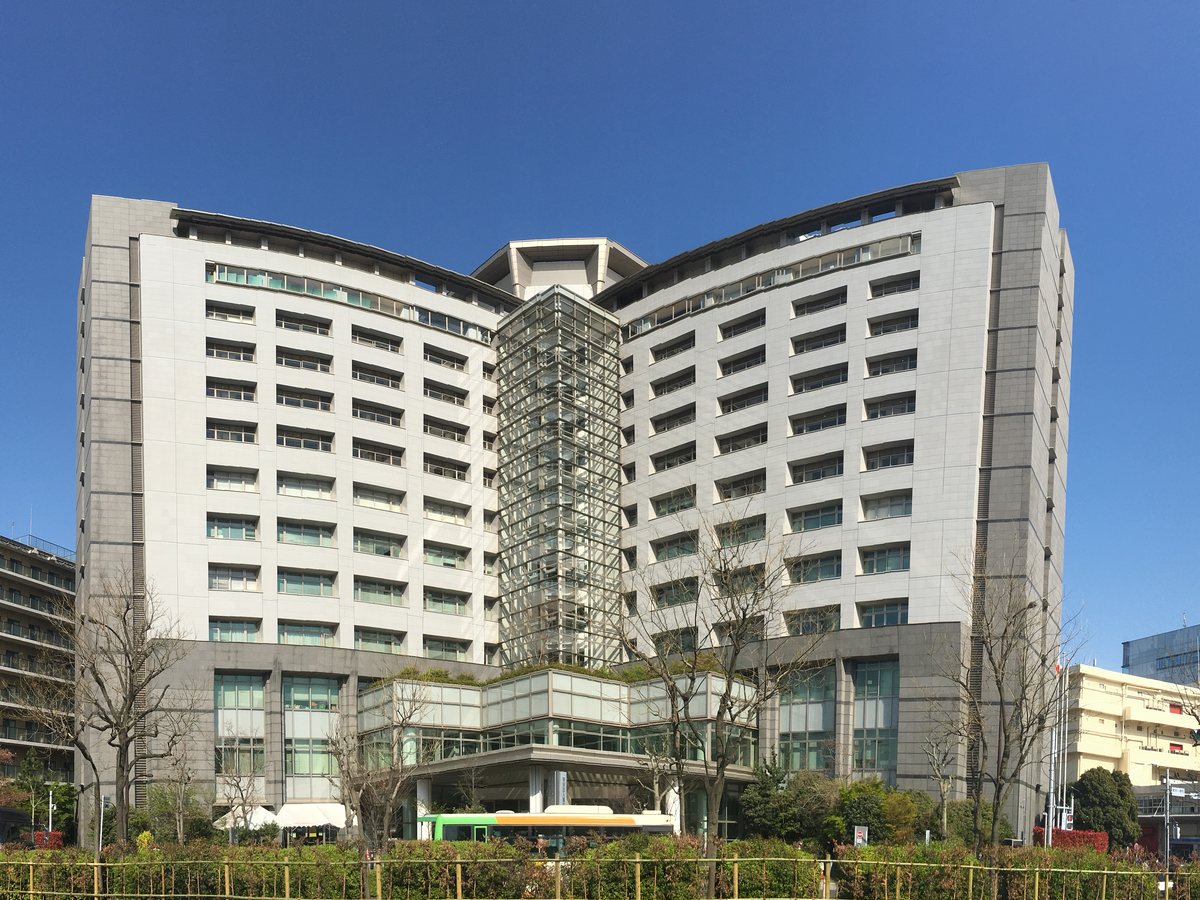
Tokyo Regional Immigration Services Bureau, Konan, Minato
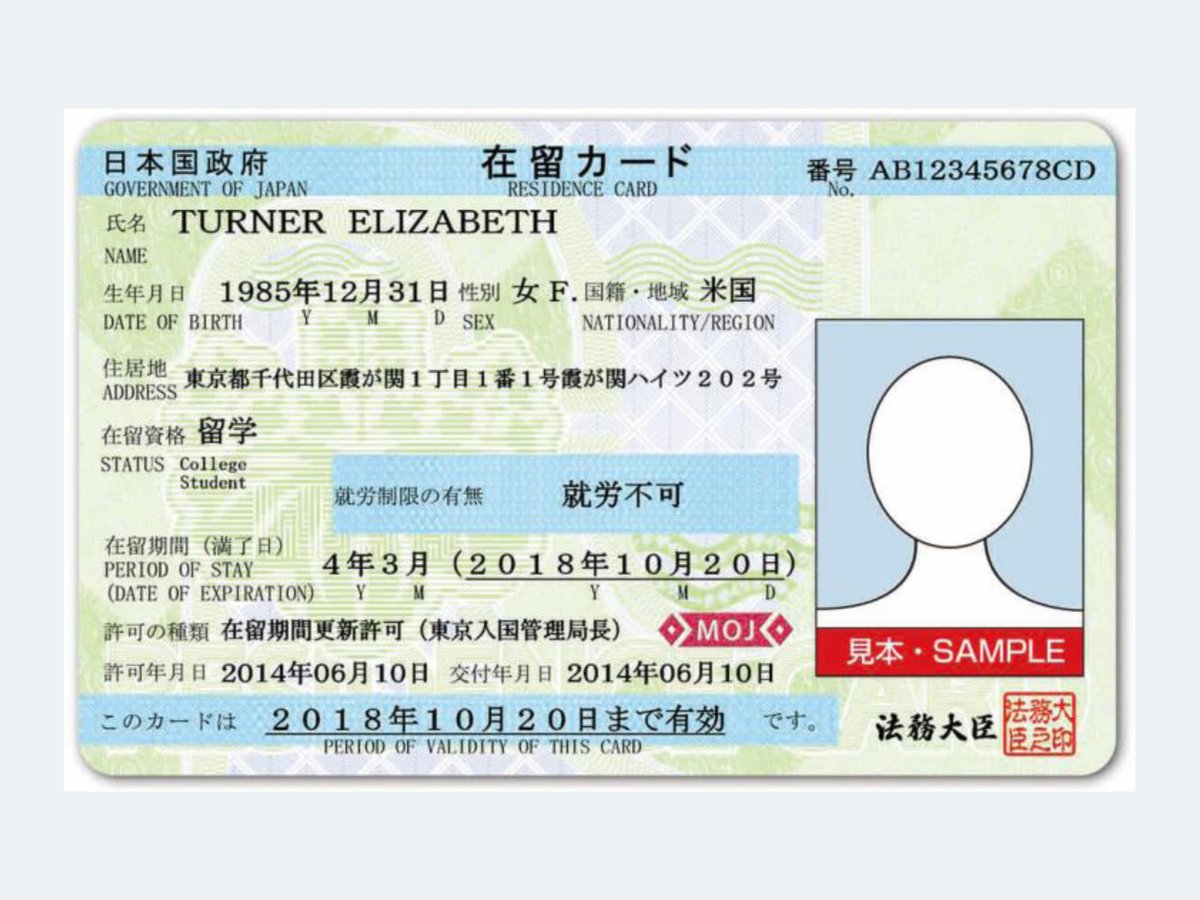
Sample residence card (image: Iwate Prefectural Government)

Start with what has happened

The receiving office depends on the event: your address goes to the municipal office; other card details and re-entry go to the immigration authorities.

Start with the closest situation:

Moving home within Japan

  • Where to fileThe municipal office of your new place of residence.
  • DeadlineWithin 14 days of establishing a place of residence or moving into the new address; the period does not always run from the date of entry.
  • What to prepareResidence card, the date you moved in and the documents the municipal office requires.

Next steps

  1. Note the date you moved into the new address and ask the municipal office there which documents it needs

Change of name or employer

  • Card detailsA change of name, date of birth, sex or nationality/region is in principle filed with the regional immigration office within 14 days of the change.
  • Affiliated organisation or spouseFor the statuses of residence to which it applies, notify within 14 days of leaving a job, changing jobs, or a change of contract or concerning your spouse. Not every status carries this obligation.
  • What to prepareProof of the change, the old and new details and the date it happened.

Next steps

  1. Check whether your status of residence carries a duty to notify changes of affiliated organisation or spouse

Leaving temporarily and returning

  • Special re-entry permit (みなし再入国許可)If you meet the conditions and hold a valid passport and residence card, you return within 1 year of departure. If your period of stay expires sooner, that expiry is the limit, and it cannot be extended from overseas.
  • Ordinary re-entry permitIn principle valid for up to 5 years within your current period of stay, for single or multiple use, and applied for before departure. It does not replace the extension of your period of stay under your existing status.
  • What to preparePassport, residence card, departure and return dates, and any permit you already hold.

Next steps

  1. Compare your return date with the expiry of your period of stay. If you may be away for more than 1 year, or the period of stay expires first, arrange an ordinary re-entry permit before you leave

Sources: Immigration Services Agency – Q&A on notification of place of residence / changes to residence card entries / notifications concerning affiliated organisations and spouses / Q&A on the special re-entry permit / re-entry permit page. Checked 29 October 2026.

02 · SERVICE

What do the professionals do for you?

They confirm which office each notification goes to, when it must be made, and the re-entry arrangements needed before you leave.

Who charges what

What the Reader Desk does at no charge

Establishes what you need, sets it out in a written brief, and shortlists and introduces professionals in Japan.

Professional fees

Quoted by the administrative scrivener or lawyer handling the matter once they understand your situation.

How payments flow

Zagdim does not charge readers a matching fee and does not handle payments for professional services. Providers quote case by case, and you contract with and pay the provider directly.

  1. 01Review of what must be notified

    The procedures needed are identified from the date of the event and your status.

  2. 02Document checklist

    The proof needed for a change of address, name or organisation is checked.

  3. 03Help with residence procedures

    A suitably qualified professional prepares and handles immigration procedures within the scope that may be entrusted.

  4. 04Review of re-entry arrangements

    Your time away is compared with your current status and the applicable form of permit.

03 · CASES

What applies in every case?

In every caseNotifying a change is not the same as obtaining a new status of residence; if your activities also change, a change of status must still be assessed separately.

Whether someone else may file the address notification for you depends on the rules of each municipal office. Procedures that the law requires you to carry out in person cannot be done by a professional in your place.

04 · SERVICE PROCESS

From recording the event to completion: who does each step?

Note the date of the event first, then separate the receiving offices and the deadlines.

English or JapaneseOther languages on request
  1. Record the event

    You provide the dates of the change, your departure and your return.

  2. Identify the receiving office

    The professional separates municipal office procedures from those of the regional immigration office.

  3. Prepare and file

    Documents are submitted or permits applied for by each deadline; anything the law requires in person is done by you.

  4. Check completion

    Keep proof of acceptance and check the details of the new card or permit.

Not included

  • Completing in your place procedures the law requires you to do in person
  • Extending the special re-entry period from overseas
  • Separate applications for a new job or a new status

What you need to prepare

  • Passport and residence card
  • Proof of the change of address or personal details
  • Dates of changes to your organisation and contract
  • Departure and planned return details

05 · TIME

From which day does each notification deadline run?

The deadlines below for notification and return are set by law, and each runs from the date of its own event. How quickly documents are prepared depends on you; processing time at the offices is separate.

  1. Within 14 days of establishing or moving into a new place of residence

    Address notification

  2. Within 14 days of a change to a relevant card detail

    Change of card details

  3. Within 14 days of a relevant event concerning your organisation or spouse

    Notification of change

  4. Before departure

    Confirm or apply for re-entry arrangements

  5. 1 year after departure or the expiry of your current period of stay, whichever is earlier

    Return deadline under the special re-entry permit, where the conditions are met

06 · FEES

What costs should you prepare for?

Taxes and official fees

  • Ordinary re-entry, single, at the counter¥4,000 (about US$25)
  • Ordinary re-entry, multiple, at the counter¥7,000
  • Ordinary re-entry permit (single, online)¥3,500(A payment processing fee of ¥220 is charged in addition.)
  • Ordinary re-entry permit (multiple, online)¥6,500(A payment processing fee of ¥220 is charged in addition.)

Professional and service fees

  • Help with notifications and documentsQuoted once your situation is understood(Individual certificates and card reissue fees are assessed separately.)
  • Zagdim Reader DeskFree of charge(Consultation, clarifying what you need and shortlisting professionals)

Professional fees depend on how many procedures are involved and whether a re-entry permit is needed. Individual certificates, card reissue and similar costs are assessed separately, and the written quote governs.

07 · EXPERTS & PROFESSIONALS

Which Japanese professionals are involved?

Depending on the case, different Japanese professionals are involved.

Administrative scrivener

行政書士 · gyōsei shoshi

A suitably qualified administrative scrivener can be engaged to prepare documents and submit residence applications on your behalf; where the law requires you to attend in person, you must still do so.

Lawyer

弁護士 · bengoshi

Gives legal advice on disputes and complex cases; submitting residence applications on your behalf requires separate qualification and notification.

MATCHING

How Zagdim shortlists the right professionals

You do not have to work out for yourself, in Japanese, which matter goes to the municipal office and which to the immigration authorities. The deadlines and documents are first set out for you in a written brief; professionals work in English or Japanese, with other languages on request.

What you need

Zagdim Reader Desk
  • Clarifying the need
  • Matching providers
  • Follow-up at key points
The right professional

Zagdim Reader Desk

Free consultation · clarifying the need · matching · follow-up

No charge to readers

Professionals in Japan

Professional advice and handling

Quote · contract · payment · receipt

Whether a professional can be arranged locally

  1. You tell the Reader DeskThe prefecture you live in and what has happened
  2. The Reader Desk checksWhether a suitable administrative scrivener can be arranged locally
  3. The Reader Desk repliesIf no suitable provider is available, we say so plainly

08 · CONSULTATION

What happens next?

Zagdim Reader DeskFirst understand the situation, then shortlist the right professionals

Four steps after you get in touch

  1. Contact the Reader DeskExplain what has happened, the date and the expiry of your period of stay.
  2. A written briefThe Reader Desk prepares it; once you confirm it, you agree to the introduction.
  3. Introduction to a local professionalIntroduced by place of residence. Before the introduction, the written quote, out-of-pocket costs and conditions for extra charges are confirmed with the provider.
  4. Quote and engagementYou decide whether to engage, and contract with and pay the professional directly.

Have ready before you get in touch:

  • What has happened, and on which day
  • The expiry date of the period of stay shown on your residence card
  • If you are leaving Japan: your departure and planned return dates

The Zagdim Reader Desk handles contact and follow-up.

Send us your details

The more you tell us, the better the Zagdim Reader Desk understands your situation before we speak.

09 · FAQ

Residence obligations in Japan: common questions

Are all changes of address filed with the immigration authorities?

No. Notification of place of residence is handled by the municipal office; other card details such as your name are filed separately with the immigration authorities.

Do the 14 days run from the date of entry?

Not necessarily. For address notification they run from establishing a place of residence or moving into a new address; other changes are counted from the date of their own event.

Must you always notify after changing jobs?

Not necessarily. The obligation depends on your status of residence. Where it applies, notification is generally due within 14 days of the event, such as leaving a job or a new contract.

With a residence card, can you leave and return at any time?

No. You still need a valid passport and must meet the conditions on the form of re-entry, your current period of stay and the return deadline.

Is returning within one year of departure always enough?

Not necessarily. If your current period of stay expires earlier, the return deadline under the special re-entry permit is brought forward as well.

Can the special re-entry permit be extended from overseas?

No. For a longer absence, ordinary re-entry arrangements need to be checked before you leave.

New cards are now being issued: does everyone have to change card at once?

Not necessarily. Arrangements for changing card depend on the type of card, its validity and what you are applying for; the start of issue under the new system is not enough to decide.

Write down the date of the event, then check the notification deadline.

Book a free 20-minute call

Address notification is handled by the municipal office; other residence and re-entry procedures are handled by the relevant immigration office, and the outcome is decided by the receiving office. Official fees follow the current notices of the Japanese authorities. Quotes, contracts, payments and receipts for professional services are handled by the professional concerned. This page is general information and is not legal advice.

Photographs of institutions (Wikimedia Commons): Tokyo Regional Immigration Services Bureau, Konan, Minato, Nesnad (CC BY 4.0); sample residence card (image: Iwate Prefectural Government), Iwate Prefecture Government website (CC BY 4.0)