

Zagdim Reader Desk · Japan Specified Skilled Worker

Japan Specified Skilled Worker visaTests, employment and application conditions

If you want to work in Japan as a Specified Skilled Worker, you first need to confirm that your industry field is accepting new applications, and that your skills, Japanese and employment arrangements are in place. The Zagdim Reader Desk first establishes your situation and target field, then shortlists suitable administrative scriveners in Japan.

The Tokyo skyline
Who it is forWorkers with, or arranging, an employer in a designated field
Handled byAdministrative scriveners in Japan
LanguagesEnglish or Japanese; other languages on request
Reader Desk feeFree of charge
Rules differ by nationality

The consular visa fee and the procedure at the Japanese embassy or consulate, and where the skills and Japanese tests can be taken, vary by nationality and country of residence. This page describes the general rule; passport holders of the United Kingdom, United States, Singapore, Australia, Canada and other countries should confirm the position for their own nationality.

Information checked: 29 October 2026

01 · ABOUT

What does Specified Skilled Worker status look at? Start with your current situation

Specified Skilled Worker (特定技能, SSW) is a work status of residence designed around designated industries and tasks, divided into SSW (i) and SSW (ii). The tests, securing employment and the residence application are separate procedures, each to be checked on its own.

  • The number of fields is not the number openSSW (i) lists 19 industry fields, but new applications in food service are suspended, and the start dates of newly added fields must be checked separately.
  • Japanese requirements vary by fieldGenerally checked against JFT-Basic or JLPT N4 or above; transport, nursing care and some other fields have their own requirements.
  • SSW (i) requires statutory supportThe accepting organisation must deliver the support, and may delegate it to a registered support organisation (登録支援機関).

Where it is handled

Immigration Services AgencyImmigration Services Agency

Examines status of residence and related applications.

Logos belong to the respective bodies and are shown only to identify where a matter is handled. Zagdim is not affiliated with them.
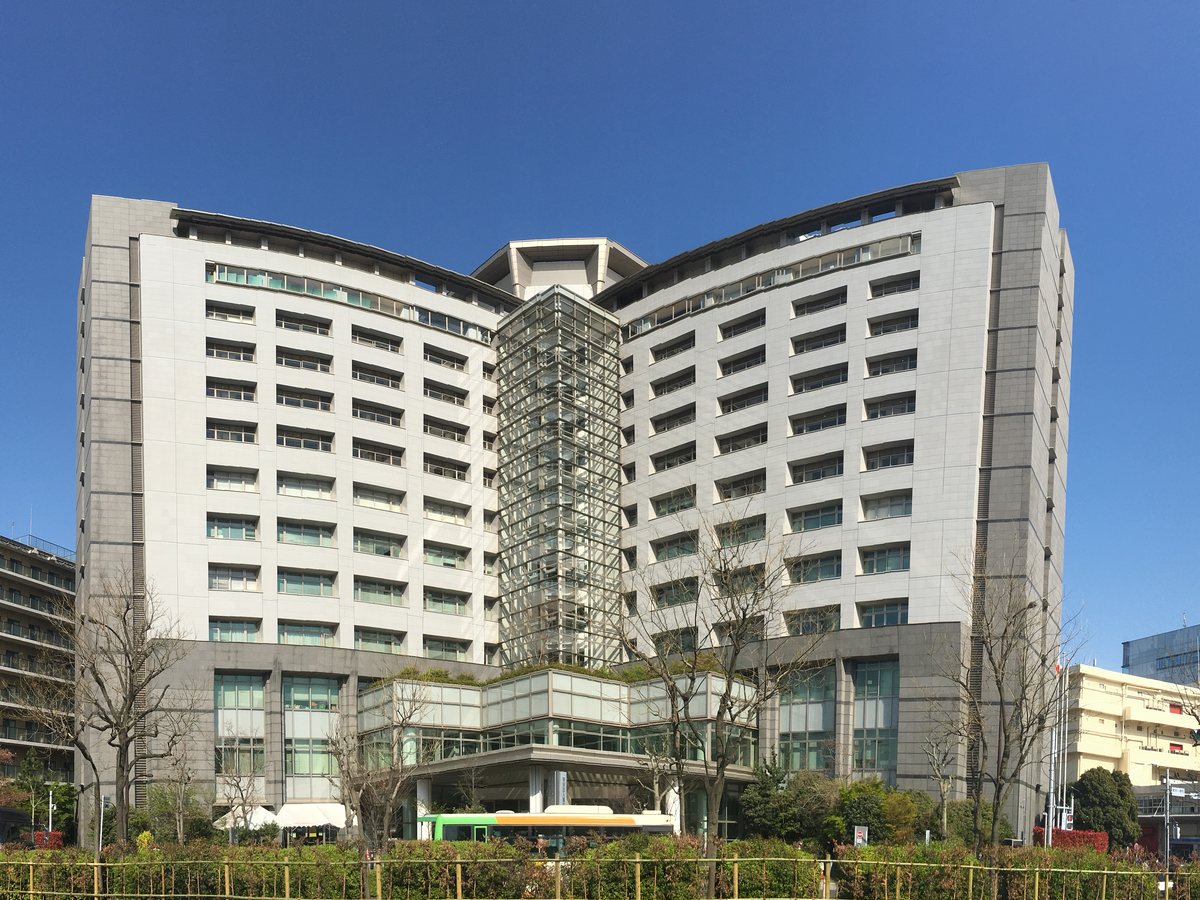
Tokyo Regional Immigration Services Bureau, Konan, Minato
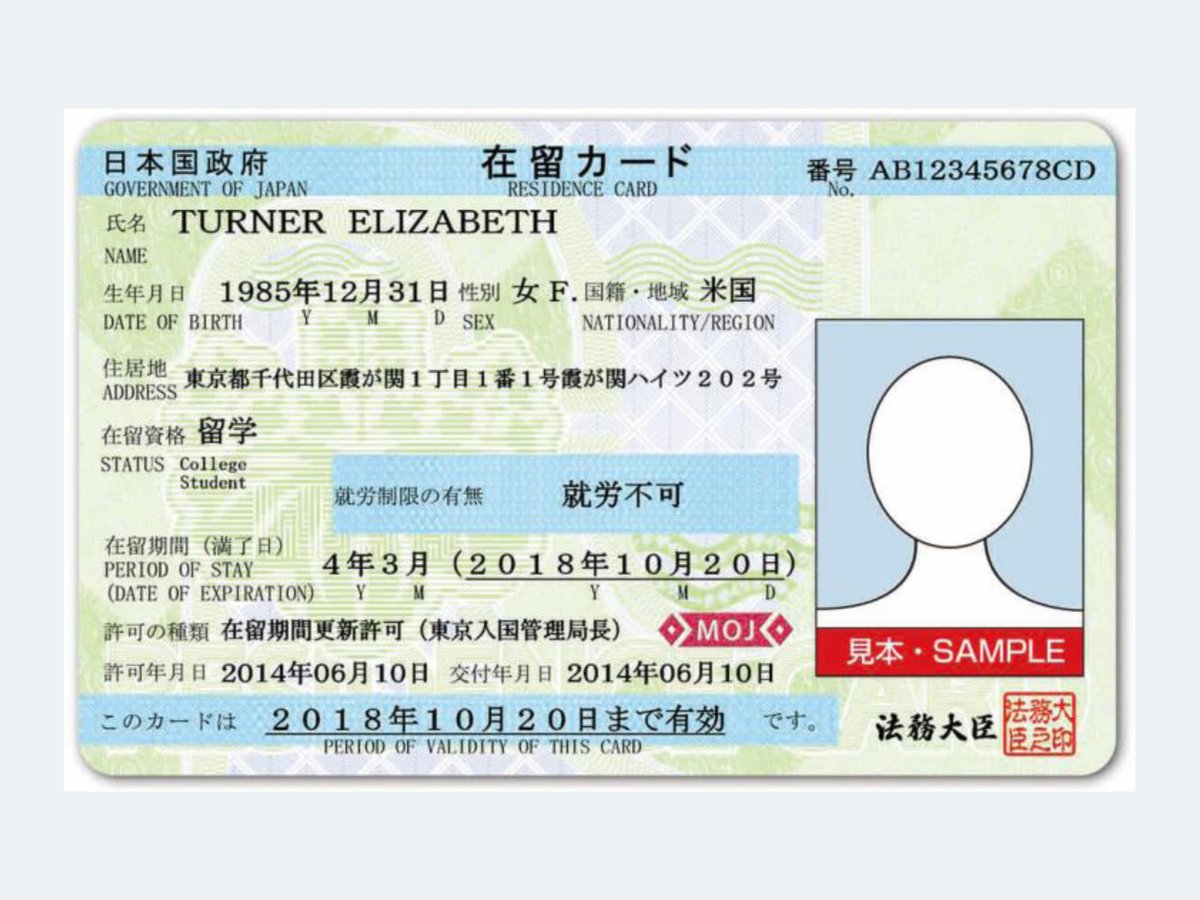
Sample residence card (image: Iwate Prefectural Government)

Start with your current situation

Start with the closest situation:

Tests in hand, first application

  • What you must passThe designated skills test and a Japanese language test. After passing, you still need an employer and an employment contract that meet the requirements of the system.
  • What to prepareTest results, CV, intended industry field, employment and support documents.
  • What the budget consists ofTest fees are set by the testing body. If you are overseas, the COE application is ¥0 and a single-entry visa is about ¥15,000 equivalent (about US$94); plus professional fees.

Next steps

  1. Confirm that your target field is currently accepting new applications

Moving on from technical intern training

  • Test exemptionThose who meet conditions such as having satisfactorily completed the relevant Technical Intern Training (ii) may be exempt from the tests under the rules; having once been a technical intern is not enough on its own.
  • What to prepareEvaluation of completed training, job description and the new employment contract.
  • What the budget consists ofThe fee for a change of status depends on the period of stay granted (for 1 year, ¥33,000 at the counter or ¥27,000 online, about US$205 or US$170); plus professional fees.

Next steps

  1. Have your training completion evaluation ready and confirm the new job relates to your training occupation

Assessing SSW (ii) eligibility

  • How it differs from SSW (i)SSW (i) generally has a cumulative limit of 5 years, and family members cannot in principle accompany you. SSW (ii) can be renewed, has no equivalent cumulative limit, and a spouse and children who meet the conditions can apply for Dependent status (家族滞在).
  • What to prepareThe tests required for the industry field, and proof of skilled experience and employment.
  • New ruleFrom 1 April 2027, COE applications for SSW (ii) require Japanese equivalent to B1; changes of status and extensions within Japan are to be checked separately.
  • What the budget consists ofTest fees are set by the testing body; the fee for a change or extension depends on the period of stay granted; professional fees are quoted according to the number of people, you and your family members.

Next steps

  1. Confirm the test and experience requirements for SSW (ii) in your field

Sources: official Specified Skilled Worker website – how to obtain the status, outline of SSW (i) and (ii), support / Immigration Services Agency – pages on the food service measures and the SSW (ii) language requirement / Ministry of Foreign Affairs – visa fees page. Checked 29 October 2026.

02 · SERVICE

What do the professionals do for the application?

Checks the industry field, tests, employment contract and support arrangements, and prepares the Specified Skilled Worker residence application.

Who charges what

What the Reader Desk does at no charge

Establishes what you need, sets it out in a written brief, introduces professionals in Japan and follows up.

Professional fees

Quoted by the administrative scrivener handling the matter once they understand your situation; receipts are issued by them after engagement.

How payments flow

Zagdim does not charge readers a matching fee and does not handle payments for professional services. Providers quote case by case, and you contract with and pay the provider directly.

  1. 01Industry field and eligibility assessment

    Checks the job duties, your current status and test certificates.

  2. 02Test information check

    Compiles official information on the designated testing bodies, test dates and registration restrictions.

  3. 03Employer document review

    Checks that the employment and support documents match the category applied for.

  4. 04Residence application

    Prepares and files the documents for a COE, change of status or extension.

03 · CASES

Which situations do not fit, or need extra care?

In every caseNeither registering for a test nor passing it replaces the residence review. New SSW (i) applications in food service are subject to a separate suspension, and exceptions such as extensions for existing holders must be checked individually.

This service may not suit everyone. If you do not yet have an employer and need to find work, no job placement is offered here. If your role falls under a general work status such as Engineer/Specialist in Humanities/International Services, see “Japan work visa”. Employment for Skill Development (育成就労) is a separate system due to begin accepting workers from 1 April 2027 and is outside the scope of this page.

04 · SERVICE PROCESS

From consultation to filing: who does each step?

Tests and the application are handled separately.

English or JapaneseOther languages on request
  1. Set out your field and situation

    You tell the Reader Desk your target field, test results and current residence position.

  2. The administrative scrivener checks the conditions

    The administrative scrivener confirms whether the field is accepting applications and whether tests or an exemption apply, then lists the missing documents and quotes.

  3. Assemble employment and support documents

    The accepting organisation prepares the contract and support documents, and you prepare proof of ability; the administrative scrivener organises the application.

  4. File the application

    Files the COE, change of status or extension application and handles requests for further documents; the outcome is decided by the immigration authorities.

Not included

  • Job placement without a licence
  • Sitting tests for you or fabricating proof of experience
  • Blanket assumption of the employer’s statutory support duties

What you need to prepare

  • Passport and current residence documents
  • Skills and Japanese test results
  • Relevant training or work experience
  • Employment contract and details of the accepting organisation

05 · TIME

From tests and hiring to review: who does what, and how long does it take?

Test dates, employment documents and the residence review are arranged separately: tests follow each field’s announcements, documents depend on you and the accepting organisation, and the immigration authorities notify you of progress in the review. The new-rule date below is when the rule takes effect, not a completion date.

  1. As announced for each field

    Confirm test and registration dates

  2. Prepared by you and the accepting organisation

    Proof of ability, employment and support documents

  3. Immigration review

    COE or change of status

  4. From 1 April 2027

    COE applications for SSW (ii) require Japanese equivalent to B1

06 · FEES

What money should you prepare before starting?

Taxes and official fees

  • Certificate of Eligibility (COE) application¥0
  • Single-entry consular visaAbout ¥15,000 equivalent(Accepted from 1 July 2026; charged in local currency; exceptions by nationality are checked separately.)
  • Fee for renewal or change of status (one year, counter / online)¥33,000 / ¥27,000(Accepted from 1 October 2026; a ¥330 payment fee applies online.)

Professional and service fees

  • Skills and language testsAs set by the testing body(Depends on the industry field, test venue and the testing body’s announcements.)
  • Professional services for the applicationQuoted once your situation is understood(Tests, job search and support are scoped separately.)
  • Zagdim Reader DeskFree of charge(Consultation, clarifying what you need and shortlisting professionals)

The table above illustrates the components and is not a quote: a first application from overseas goes through a COE and a consular visa, while a change made in Japan incurs the change-of-status fee. Professional fees are quoted by the administrative scrivener once they understand your case, and depend mainly on the type of application, the number of family members and the volume of documents. Test registration and job search are not included; ask the provider to state in the written quote whether out-of-pocket costs such as translation are charged separately.

07 · EXPERTS & PROFESSIONALS

Who helps with the application?

Depending on the case, different Japanese professionals are involved.

Administrative scrivener

行政書士 · gyōsei shoshi

A suitably qualified administrative scrivener can be engaged to prepare documents and submit residence applications on your behalf; where the law requires you to attend in person, you must still do so.

Lawyer

弁護士 · bengoshi

Gives legal advice on disputes and complex cases; submitting residence applications on your behalf requires separate qualification and notification.

MATCHING

How Zagdim shortlists the right professionals

What you need

Zagdim Reader Desk
  • Clarifying the need
  • Matching providers
  • Follow-up at key points
The right professional

Zagdim Reader Desk

Free consultation · clarifying the need · matching · follow-up

No charge to readers

Professionals in Japan

Professional advice and handling

Quote · contract · payment · receipt

Whether a professional can be arranged

  1. You tell the Reader DeskYour field, current situation and where the employer is located
  2. The Reader Desk checksWhether an administrative scrivener registered with the immigration authorities can be arranged
  3. The Reader Desk repliesIf it can be arranged, we say who will take it on. If no suitable provider is available, we say so plainly

08 · CONSULTATION

What happens next?

Zagdim Reader DeskFirst understand the situation, then shortlist the right professionals

Four steps after you get in touch

  1. Contact the Reader DeskExplain your situation by WhatsApp or email and arrange a call.
  2. A written briefThe Reader Desk sets out your field, tests, employer and current residence position; once you confirm it, the introduction is made.
  3. Introduction to a professionalIntroduction to an administrative scrivener. Before the introduction, the written quote, out-of-pocket costs and conditions for extra charges are confirmed with them.
  4. Quote and engagementThe professional explains what is missing and quotes; you decide whether to engage, and contract with and pay them directly.

Have the points below ready before you get in touch.

  • Your target field and the actual work involved
  • The skills and Japanese tests you have passed, or your technical intern training record
  • Whether you already have an employer, and whether they are arranging support
  • Whether you are overseas or in Japan, and your current status of residence

The Zagdim Reader Desk handles contact and follow-up.

Send us your details

The more you tell us, the better the Zagdim Reader Desk understands your situation before we speak.

09 · FAQ

Specified Skilled Worker status: common questions

Is N4 alone enough to apply?

No. The skills test, the Japanese requirement for your field, and the employment and support arrangements must also be checked.

Are you always exempt from the tests after completing technical intern training?

Not necessarily. You must meet conditions such as having satisfactorily completed the relevant Technical Intern Training (ii); having once been a technical intern is not enough on its own.

Can you go to Japan to work once you pass the tests?

No. You must also meet the employment and accepting-organisation conditions, and obtain the applicable residence and entry permissions.

Can family live with you long term on SSW (i)?

In principle, accompanying family members are not permitted; under SSW (ii), a spouse and children who meet the conditions can apply separately.

Can you currently apply in all nineteen industry fields?

No. Having 19 industry fields does not mean all are accepting new applications; SSW (i) in food service is subject to a suspension with exceptions, and the start dates of newly added fields must be checked separately.

Is there a new language requirement for SSW (ii)?

Yes. COE applications from 1 April 2027 require Japanese equivalent to B1; changes of status and extensions within Japan must be confirmed separately.

Can a registered support organisation handle every application?

Not necessarily. Daily-life and employment support, submitting residence applications on your behalf, and job placement each require their own qualification and cannot substitute for one another.

Are food service holders barred even from extensions?

No. Extensions for existing holders are reviewed as usual; job changes and designated transfer cases have their own rules, and cannot be treated as suspended across the board.

Check the field and tests first, then confirm employment.

Book a free 20-minute call

Residence applications are examined by the Immigration Services Agency, and consular visas are handled by Japanese embassies and consulates. Official fees follow the current notices of the Japanese authorities. Quotes, contracts, payments and receipts for professional services are handled by the professional concerned; neither the Zagdim Reader Desk nor the professionals guarantee that any application or review will succeed. This page is general information and is not legal or tax advice.

Photographs of institutions (Wikimedia Commons): Tokyo Regional Immigration Services Bureau, Konan, Minato, Nesnad (CC BY 4.0); sample residence card (image: Iwate Prefectural Government), Iwate Prefecture Government website (CC BY 4.0)