































The Reserve Bank of Australia left its cash rate target unchanged at 4.35% on 11 August, a decision the board took unanimously. It follows three increases in the cash rate target since the start of this year. In its media release the bank said headline inflation is “still too high” and that trimmed mean inflation remains elevated and little changed from the March quarter, with the disruption to global oil supply from the Middle East conflict adding directly to inflation and being passed through to the prices of other goods and services.
For anyone holding or considering Australian residential property, the relevant passage is the bank’s own reading of the housing market: “Momentum in the housing market has shifted, with housing prices falling in some capital cities and new housing loans declining noticeably.” The RBA said financial conditions have tightened in response to this year’s three increases, with money market rates and government bond yields higher and the exchange rate appreciating.
The bank did not present the hold as the end of the tightening cycle. It said monetary policy is judged to be somewhat restrictive and that it decided to leave the target unchanged “while it assesses how the economy is evolving”, adding that it will continue to do what it considers necessary to bring inflation sustainably back to target, “including increasing the cash rate target further if upside risks materialise”. The RBA does not expect inflation to return to around the midpoint of its target range until late 2027, and says there are upside risks to that projection.
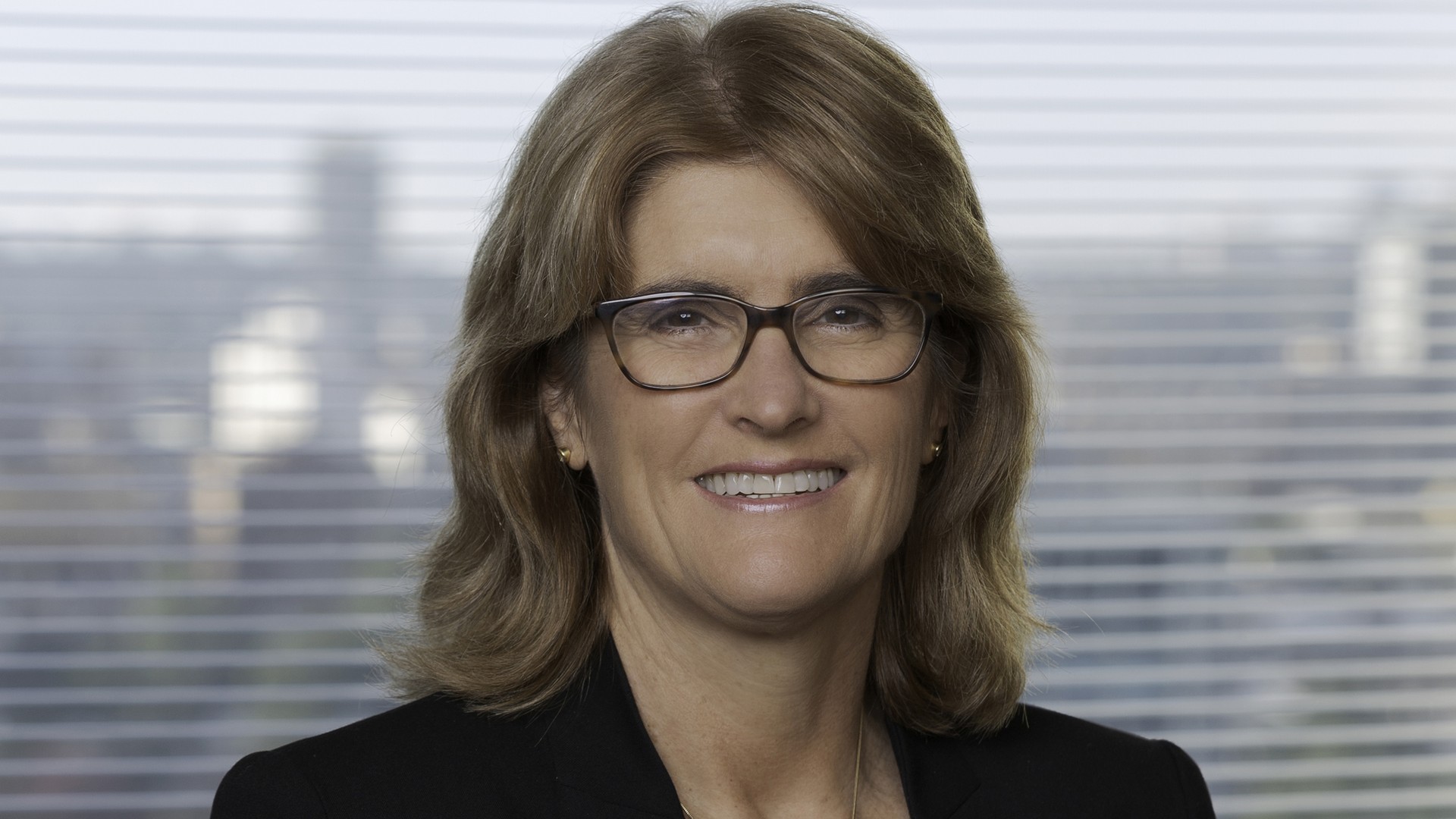
Governor Michele Bullock was more direct with reporters afterwards, according to The Guardian: “I think personally that it’s quite possible we might need to go but we’ll wait and see what the data tells us,” she said, adding, “It’s important people believe that we will act if we need to.” The Guardian reported that market pricing of another increase by the end of the year moved from 53% before the decision to 69% afterwards.
Bullock also told reporters that the housing downturn was not “the main game” in the decision. “The housing market wasn’t a constraint,” she said. “That’s not entering the equation.” She noted housing prices have risen about 50% since 2020, that under 1% of homeowners are in negative equity, and that even a 20% fall in prices would leave about 5% in negative equity. The Guardian reported that investor loan commitments in June had fallen by roughly a quarter compared with the start of the year as a share of total housing credit, and that seven in eight borrowers hold close to a year or more of repayments in offset and redraw accounts.
On what comes next, the named views diverge. Stephen Smith, a partner at Deloitte Access Economics, told The Guardian the updated forecasts suggest the RBA “increasingly feels its job may be done”, while cautioning that “another rate rise in 2026 cannot be fully ruled out”. Treasurer Jim Chalmers said the hold was “welcome” and “will come as a relief to Australians with a mortgage”.
References
Reserve Bank of Australia — Statement by the Monetary Policy Board: Monetary Policy Decision
The Guardian — RBA interest rates: Reserve Bank holds cash rate at 4.35% but threatens more hikes if needed