































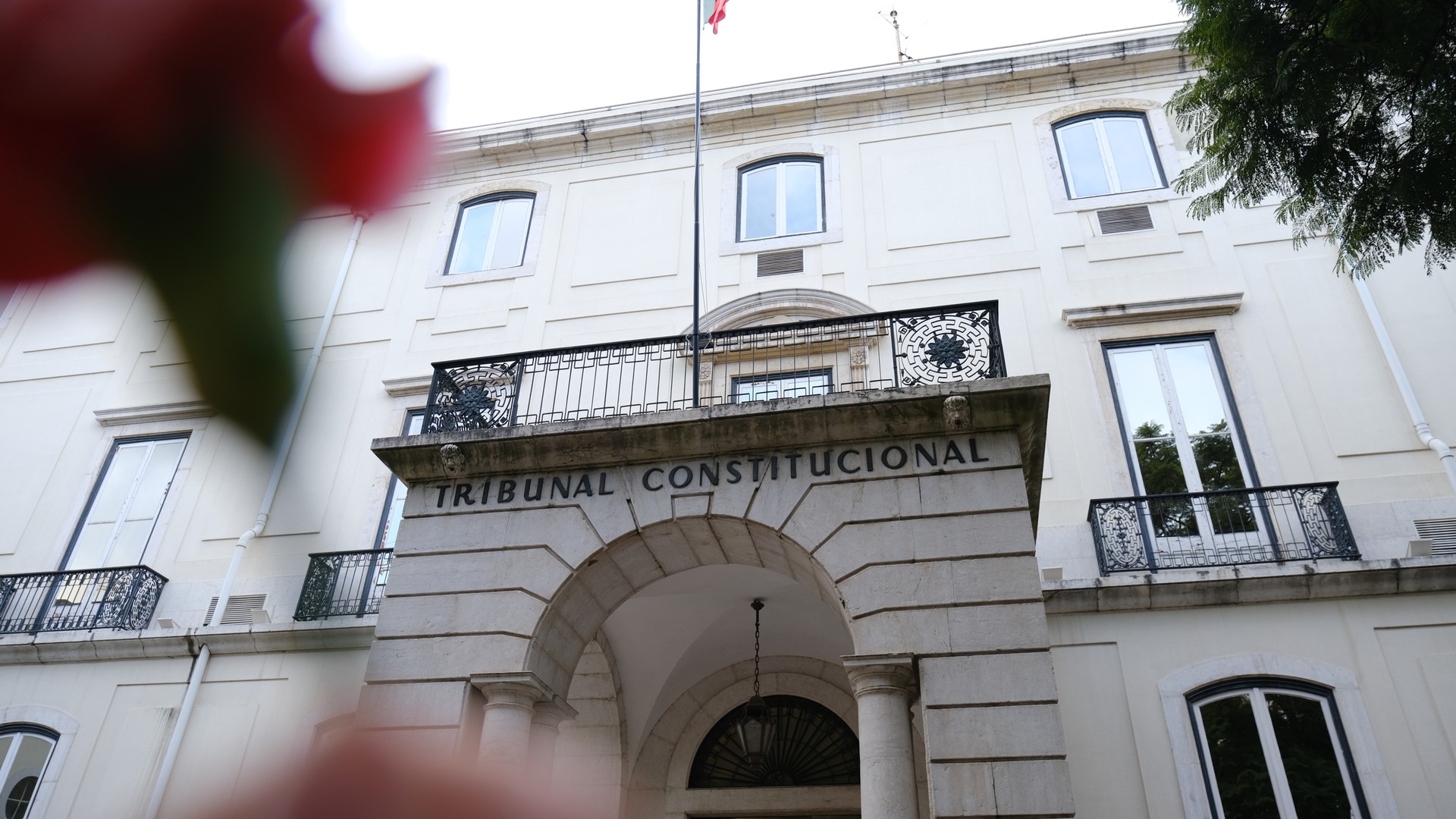
Portugal’s Constitutional Court is to decide whether municipal property tax increases of as much as 920%, applied to unused building plots in areas of acute housing pressure, are constitutional. Portugal Resident, reporting Jornal de Negócios, says the question reached the court after three separate arbitration panels found the higher charge disproportionate and unconstitutional, each ruling in favour of the taxpayer against the Tax and Customs Authority.
The scope matters, and it is narrower than the headline number suggests. The regime applies to derelict and vacant properties, and to building land left unused for more than a year, in zones designated as facing housing demand that substantially exceeds supply. It does not apply to ordinary occupied homes. Within those zones the tax can be raised to as much as ten times the normal rate, and further annual increases of 20% can eventually take it to twenty times the standard amount. Normal municipal rates run from 0.3% to 0.45% of a property’s taxable value. The measure was introduced in 2020 and reinforced under the government’s Mais Habitação housing package in 2023, with the stated aim of discouraging speculation and pushing owners to develop land or bring unused property to market.
The three cases were decided by separate arbitrators at the Administrative Arbitration Centre, CAAD, and concern three building plots in the district of Setúbal. The first, delivered late last year, involved an assessment of approximately €69,000; a second in March involved more than €64,000; a third in May concerned approximately €25,000. In each, the panel accepted the public interest in access to housing but concluded that the scale of the penalty went beyond what was necessary to achieve it, noting that the higher tax was not linked to any increase in the owner’s ability to pay or any rise in the property’s value. The arbitrators found that an increase capable of reaching 920% “comes close to functioning as a sanction rather than a conventional tax”. The Public Prosecutor’s Office appealed all three, as it is required to do when a court declines to apply a legal provision on constitutional grounds.
The Tax and Customs Authority maintains the regime is lawful, arguing that treating vacant buildings, ruined properties and unused land in pressure zones differently is justified by economic and social considerations, and that parliament has considerable freedom to use taxation as an instrument of public policy.
For owners, the practical question is reach. Luís Bernardo, a tax specialist at Deloitte, notes that each ruling currently applies only to the case it decided, but that if the Constitutional Court upholds the finding of unconstitutionality in all three, it could open the way to a ruling with generally binding force, with consequences for other owners under the same regime. Bernardo describes the regime as particularly onerous and says it approaches a form of confiscation, because the amount charged does not necessarily reflect the owner’s real financial capacity. He points to situations where owners cannot act even if they want to — unsettled estates and family inheritance disputes can block a sale or development for years, and a buyer who acquires a plot intending to build but does not begin construction before the end of the year may find the higher charge applied once the municipality reports the land as unused. The arbitration panels also warned that owners may pass the additional cost into the eventual sale price of homes or land, which could harm the middle and lower-income households the policy is meant to help.
References
Portugal Resident — IMI rates increases of up to 920% reach Constitutional Court