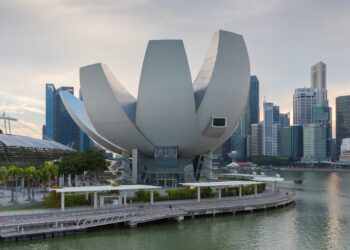

























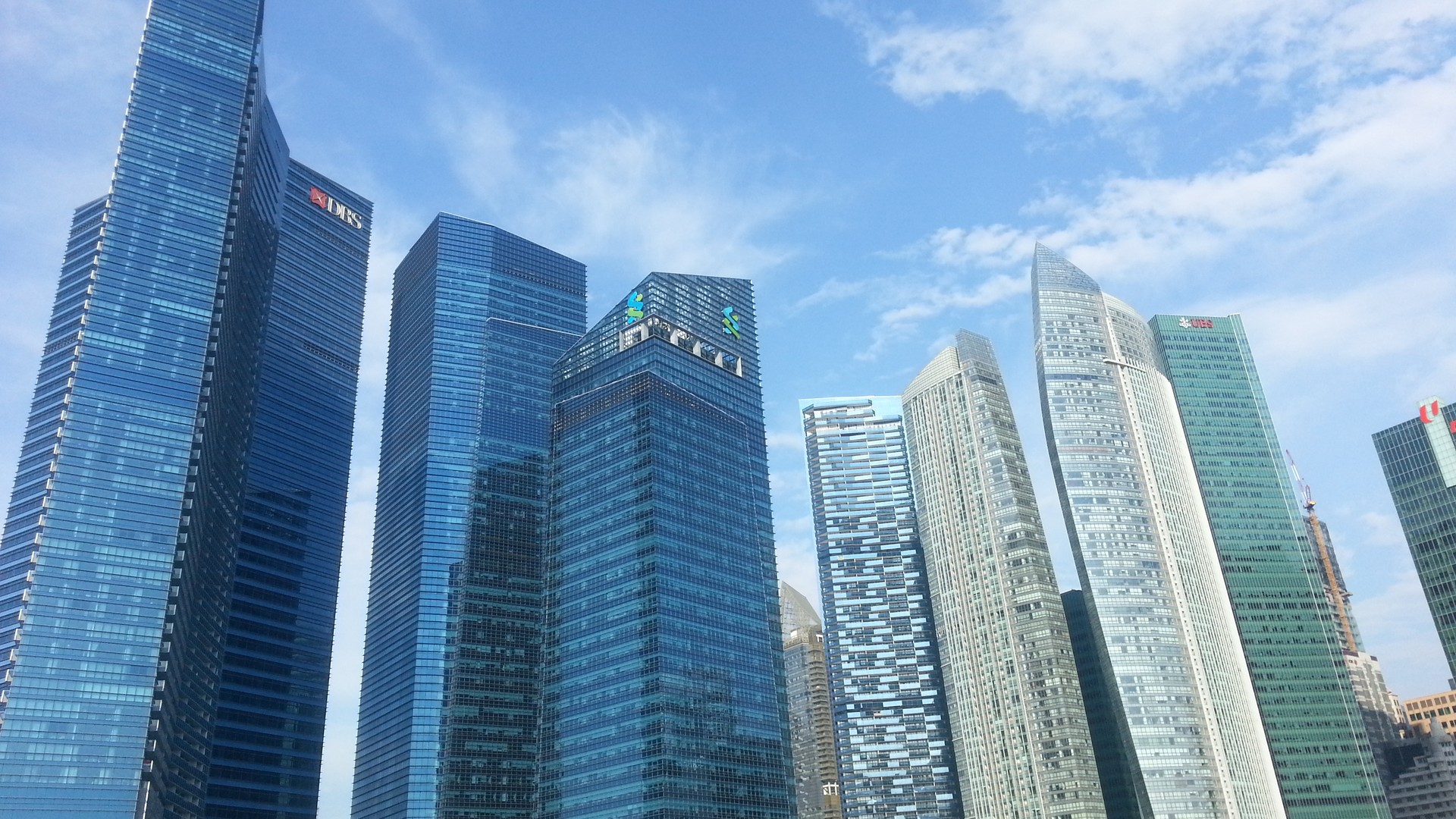
Wealthy mainland Chinese clients are once more asking family-office advisers about relocating to Singapore, and this round the questions go further than a bank account — several are asking about permanent residency and citizenship pathways, according to Bayfront Law director Ryan Lin and Farro Capital co-founder Manish Tibrewal, both speaking to CNBC and reported by The Independent Singapore on 30 August 2026. The renewed interest follows tighter Beijing scrutiny of wealth held outside mainland China, including new rules requiring disclosure of offshore trusts, tax liabilities and other overseas assets — rules that apply regardless of where a trust is located or where the individual physically lives.
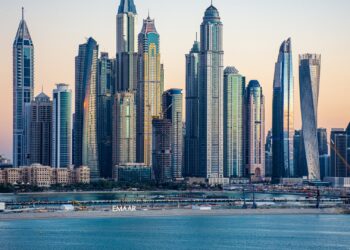
The swing back to Singapore is itself a reversal. Singapore was the default diversification base for wealthy mainland Chinese until its 2023 S$3 billion money-laundering case brought tighter compliance and disclosure requirements; some of that money then moved to Hong Kong, the Middle East and Japan instead. Ryan Lin told CNBC his clients are “more determined this time” and that Hong Kong — once attractive precisely because it felt closer to home — now feels “really too close to China,” as mainland investors also face new restrictions on accessing offshore brokerages there.
Why Singapore, why now
The scale of what is moving is not small. A Barclays report, covered by BigGo Finance on 25 August 2026 and attributed to the bank’s senior China economist, Yingke Zhou, estimates that China’s offshore wealth sits roughly 61% in Hong Kong and 13% in Singapore, with the remainder spread across the United States, Switzerland and traditional offshore centres such as the British Virgin Islands and the Cayman Islands — much of it built from the overseas listings of Chinese technology, internet and manufacturing companies. Barclays frames this year’s measures — taxing offshore insurance-policy gains, a new tax framework for offshore trusts, and a crackdown on offshore brokerages — not as a reversal of China’s opening-up policy but as a structural push to close tax loopholes and keep savings inside the domestic financial system, one the bank expects to broaden rather than end.
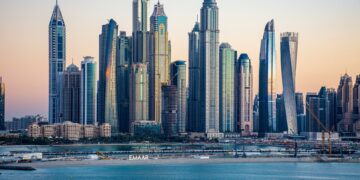
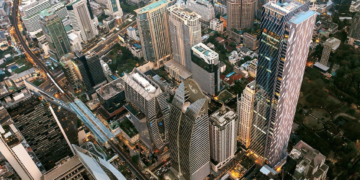
On the Singapore side, advisers point to more than just distance from Beijing: the Monetary Authority of Singapore has been easing family-office tax rules, and ongoing Middle East geopolitical tension is making Singapore’s “predictability and safety” relatively more attractive, according to the family-office advisers cited by The Independent Singapore. Other advisers caution the move is rarely a clean break — relocating to Singapore does not necessarily mean cutting ties with China, especially without an accompanying change in citizenship or tax residency; for most clients it is about creating distance while keeping options open, not renouncing the mainland relationship.
Zagdim’s View — The detail worth tracking is not that wealthy mainland Chinese are diversifying again — that is a recurring pattern — but that the current round of inquiries is explicitly about permanent residency and citizenship, not just asset parking. Barclays’ own reading of the driver — a structural tightening it expects to extend to overseas investment income and, longer term, estate taxation — suggests the push factor is not a one-off headline but an ongoing policy direction, which is the detail that should shape how seriously a “temporary” Singapore base gets treated by anyone advising on it.
References
The Independent Singapore – Wealthy Chinese seek Singapore base again amid tighter scrutiny of offshore wealth in China / BigGo Finance – Barclays: China’s Offshore Asset Regulation Expected to Keep Expanding; Hong Kong Impact Manageable