

Zagdim Reader Desk · Japan document certification
Document preparation and certification in JapanTranslation, notarisation, apostille and police certificates
When a document is going to an authority in Japan or overseas, look first at where it was issued and where it will be used, and only then decide on translation, notarisation or authentication. The Zagdim Reader Desk first establishes the purpose and the receiving authority, then shortlists suitable Japanese professionals.

Which route applies – apostille, consular legalisation, notarisation or a designated translator – varies with the country that issued the document, the country where it will be used and the authority receiving it. This page describes the general rule; holders of passports or documents from the United Kingdom, United States, Singapore, Australia, Canada and other countries should confirm the position for their own country and receiving authority.
Information checked: 29 October 2026
01 · ABOUT
Where will the document be used? Start with its direction
Whether a document needs translation, notarisation or authentication depends on where it was issued, where it will be used and the authority receiving it. Foreign documents submitted for an application in Japan follow a different procedure from Japanese documents used overseas; a police certificate (criminal record certificate, 犯罪経歴証明書) has its own rules on purpose and on attending in person. Confirm what the receiving authority requires first, then prepare.
- 01Translation requirementsCheck the language, the translator and the form of declaration.
- 02Managing validityCompare issue dates, acceptance requirements and delivery arrangements.
- 03What authentication meansAuthentication does not mean the content is true, and does not replace the receiving authority’s requirements on validity and translation.
Where it is handled

Certifies the notary’s seal (公証人押印証明). The Ministry of Foreign Affairs separately handles authentication of official seals (公印確認) and apostilles; police certificates are applied for at the police.
Logos belong to the respective bodies and are shown only to identify where a matter is handled. Zagdim is not affiliated with them.
Start with the document’s direction
The same document follows a different procedure depending on whether it is for use in Japan or overseas.
Start with the closest situation:
Foreign documents for Japan
- Who sets the requirementsThe receiving authority. For example, immigration checklists such as the one for Dependent status (家族滞在) require foreign-language documents to be accompanied by a Japanese translation; whether notarisation, authentication or a designated translator is also needed depends on the receiving authority.
- Note firstAuthentication by Japan’s Ministry of Foreign Affairs is mainly for Japanese public documents going overseas; it cannot be applied directly to documents issued abroad.
- What to prepareThe receiving authority’s checklist, the originals, your name as shown in your passport and the translation requirements.
Next steps
- Obtain the document requirements in writing from the receiving authority
Japanese documents for overseas
- Which routeDepending on the destination country and the type of document: either an apostille, or authentication of the official seal by the Ministry of Foreign Affairs followed by legalisation at the destination country’s embassy or consulate in Japan.
- Private documentsPrivate documents such as a translator’s declaration may first need certification by a notary (公証人) and certification of the notary’s seal by the Legal Affairs Bureau.
- Applying to the Ministry of Foreign AffairsIn general, the original public document must have been issued within the last 3 months. From 5 October 2026 the Tokyo counter requires an online booking, and authenticated documents are returned by post. Applications posted directly from overseas are not accepted.
Next steps
- Confirm which form of authentication the destination country and the receiving authority require
Police certificate for a foreign authority
- Who can applyThe certificate must be required by a foreign competent authority, and you must meet conditions such as, for the Tokyo Metropolitan Police Department (警視庁), currently living or having lived in Tokyo. Other prefectures are checked individually; if you are overseas, you can ask a Japanese embassy or consulate.
- What you must do in personYou attend in person to have fingerprints taken. Collection can be delegated to someone else if declared in advance; the certificate is not sent by post.
- What to prepareThe foreign competent authority’s request document, and proof of identity and residence.
Next steps
- First obtain the request document from the foreign competent authority
Sources: Ministry of Foreign Affairs – “Authentication of official seals and apostille”, authentication FAQ and application method pages / Immigration Services Agency – Dependent status page / Japan National Notaries Association – certification of foreign-language documents page / Tokyo Metropolitan Police Department – police certificate page. Checked 29 October 2026.
02 · SERVICE
What do the professionals do for you?
First obtain the receiving authority’s document requirements, then arrange the correct issuing, translation, notarisation and authentication steps.
Who charges what
Establishes what you need, sets it out in a written brief, and shortlists and introduces professionals in Japan.
Quoted by the administrative scrivener or lawyer handling the matter once they understand your situation.
Zagdim does not charge readers a matching fee and does not handle payments for professional services. Providers quote case by case, and you contract with and pay the provider directly.
- 01Setting out document requirements
Type, language and number of copies are confirmed against the receiving authority’s written requirements.
- 02Translation and consistency check
Names, dates, authorities and the content of the translation are checked.
- 03Planning the authentication route
Confirms whether notarisation, authentication of the official seal, an apostille or consular legalisation is needed.
- 04Help with application materials
Application forms, letters of authorisation and postal materials are prepared, within the scope that can be delegated.
03 · CASES
What should you watch for with every document?
In every caseConfirm the receiving authority’s requirements first. Authentication cannot correct untrue content, and does not mean the receiving authority will necessarily accept the document.
There is no universal list of document, authentication and translation requirements across countries. Without a named receiving authority and country of use, a general-purpose set of documents cannot be prepared in advance.
04 · SERVICE PROCESS
From confirming requirements to getting documents back: who does each step?
Obtain the receiving authority’s requirements first, then arrange translation and authentication in the correct order.
- 01
Confirm the receiving authority’s requirements
You obtain the written requirements from the receiving authority; the professional checks purpose, language and validity.
- 02
Obtain and check the originals
You obtain the originals from the issuing authority; the professional checks names and dates.
- 03
Arrange translation and authentication
Handled in the correct order; you attend in person for anything that requires you personally.
- 04
Check the returned documents
Stamps and seals, translations, number of copies and the receiving authority’s deadline are checked.
Not included
- Giving fingerprints or testimony in your place
- A general-purpose authentication pack with no stated receiving purpose
- Deciding in advance, for any country, that a document will be accepted
What you need to prepare
- The receiving authority’s written requirements
- Passport and any record of a change of name
- Originals and existing translations
- Issue date, place of use and number of copies needed
05 · TIME
How long does each procedure take?
Issuing, translation and authentication are arranged separately; the pace depends on the issuing authority and how long it takes to obtain the originals.
- Arranged as your documents are prepared
Confirming the receiving authority’s requirements
- Depends on the issuing authority
Obtaining originals and translation
- About 2 weeks; about 3 weeks around certain holidays
Tokyo Metropolitan Police Department police certificate (for reference)
- Before applying at the Tokyo counter
Booking required from 5 October 2026
- Where the documents are complete and no further checks are needed, in principle posted 3 office working days after acceptance
Ministry of Foreign Affairs authentication; postal time is additional
06 · FEES
What are the official fees, and what else will you pay?
Taxes and official fees
- Tokyo Metropolitan Police Department police certificate¥0(Where the Tokyo Metropolitan Police Department procedure applies.)
- Ministry of Foreign Affairs authentication of official seal / apostille¥0(Postage is extra.)
- Certification of a privately signed document (standard amount)¥11,000 (about US$70)(Lower-fee exceptions exist; check the document first.)
- Surcharge for certifying a foreign-language document¥6,000(Added to the applicable base amount.)
- Certification of a copy of a privately signed document¥5,000
Professional and service fees
- Document preparation, translation and procedural supportQuoted once your situation is understood(By language, page count and authentication procedure.)
- Zagdim Reader DeskFree of charge(Consultation, clarifying what you need and shortlisting professionals)
Notarial fees have lower-fee exceptions, confirmed document by document. The foreign-language surcharge is added to the applicable base amount; it is not a flat price for every foreign-language document. Professional fees depend on language, page count and the authentication procedure, and the written quote prevails.
07 · EXPERTS & PROFESSIONALS
Which Japanese professionals are involved?
Depending on the case, different Japanese professionals are involved.

Administrative scrivener
行政書士 · gyōsei shoshiPrepares administrative application documents within the scope that may lawfully be entrusted; acting as agent for a Ministry of Foreign Affairs application requires the applicable authorisation documents.

Lawyer
弁護士 · bengoshiDeals with questions of legal effect, identity and disputes arising from the documents; does not replace the notary or the issuing authority.
MATCHING
How Zagdim shortlists the right professionals
You do not have to research each authority’s order of authentication in Japanese yourself. First establish which procedure your documents need to follow; professionals work in English or Japanese, with other languages on request.

What you need

Zagdim Reader Desk- Clarifying the need
- Matching providers
- Follow-up at key points

The right professionalZagdim Reader Desk
Free consultation · clarifying the need · matching · follow-up
No charge to readersProfessionals in Japan
Professional advice and handling
Quote · contract · payment · receiptWhether a professional can be arranged
- You tell the Reader DeskThe type of document, where it was issued and where it will be used
- The Reader Desk checksWhether a suitable administrative scrivener can be arranged
- The Reader Desk repliesIf no suitable provider is available, we say so plainly
08 · CONSULTATION
What happens next?

Four steps after you get in touch
- Contact the Reader DeskExplain the type of document, where it was issued, where it will be used and the receiving authority.
- A written briefThe Reader Desk prepares it; once you confirm it, you agree to the introduction.
- Introduction to a local professionalIntroduced according to where the documents need to be processed. Before the introduction, the written quote, out-of-pocket costs and conditions for extra charges are confirmed with the provider.
- Quote and engagementYou decide whether to engage, and contract with and pay the professional directly.
Have ready before you get in touch:
- The type of document, where it was issued and its issue date
- Which country and which receiving authority it is going to
- The receiving authority’s written requirements (if you have them)
The Zagdim Reader Desk handles contact and follow-up.

Send us your details
The more you tell us, the better the Zagdim Reader Desk understands your situation before we speak.09 · FAQ
Document preparation and certification in Japan: common questions
Do all Japanese visas require a police certificate?
Not necessarily. Check the document list for the status of residence or consular visa concerned; Japanese police certificates are also restricted as to the purposes for which they can be requested.
Can foreign documents be sent straight to Japan’s Ministry of Foreign Affairs for authentication?
Not directly. Japan’s Ministry of Foreign Affairs mainly authenticates Japanese public documents for use overseas; foreign documents must be handled according to where they were issued and what the receiving authority requires.
If there is a Japanese translation, is notarisation never needed?
Not necessarily. Whether notarisation, authentication or a designated translator is also needed is decided by the receiving authority.
Are an apostille and consular legalisation the same?
No. They follow different procedures, and which applies must be confirmed by the country of use and the type of document.
Can a police certificate be handled entirely by a representative?
No. The Tokyo Metropolitan Police Department requires you to attend in person for fingerprinting; collection can be delegated in advance under its rules.
Can you post an application directly from overseas to the Ministry of Foreign Affairs?
No. Japan’s Ministry of Foreign Affairs does not accept applications posted directly from overseas, and does not return documents overseas.
If the government fee is zero, is the whole procedure free?
No. The relevant Tokyo Metropolitan Police Department and Ministry of Foreign Affairs procedures carry no official fee, but postage, notarisation, translation and professional services may be charged separately.
Can you apply in person at the Ministry of Foreign Affairs in Tokyo?
Not without a booking. From 5 October 2026 you must book online first, and authenticated documents are returned by post.
Obtain the receiving authority’s requirements first, then prepare the documents for authentication.
Book a free 20-minute callNotarisation, Ministry of Foreign Affairs authentication and police certificates are handled respectively by notaries and the relevant administrative authorities; whether a document is accepted is decided by the receiving authority. Official fees follow the current notices of the Japanese authorities. Quotes, contracts, payments and receipts for professional services are handled by the professional concerned. This page is general information and is not legal advice.
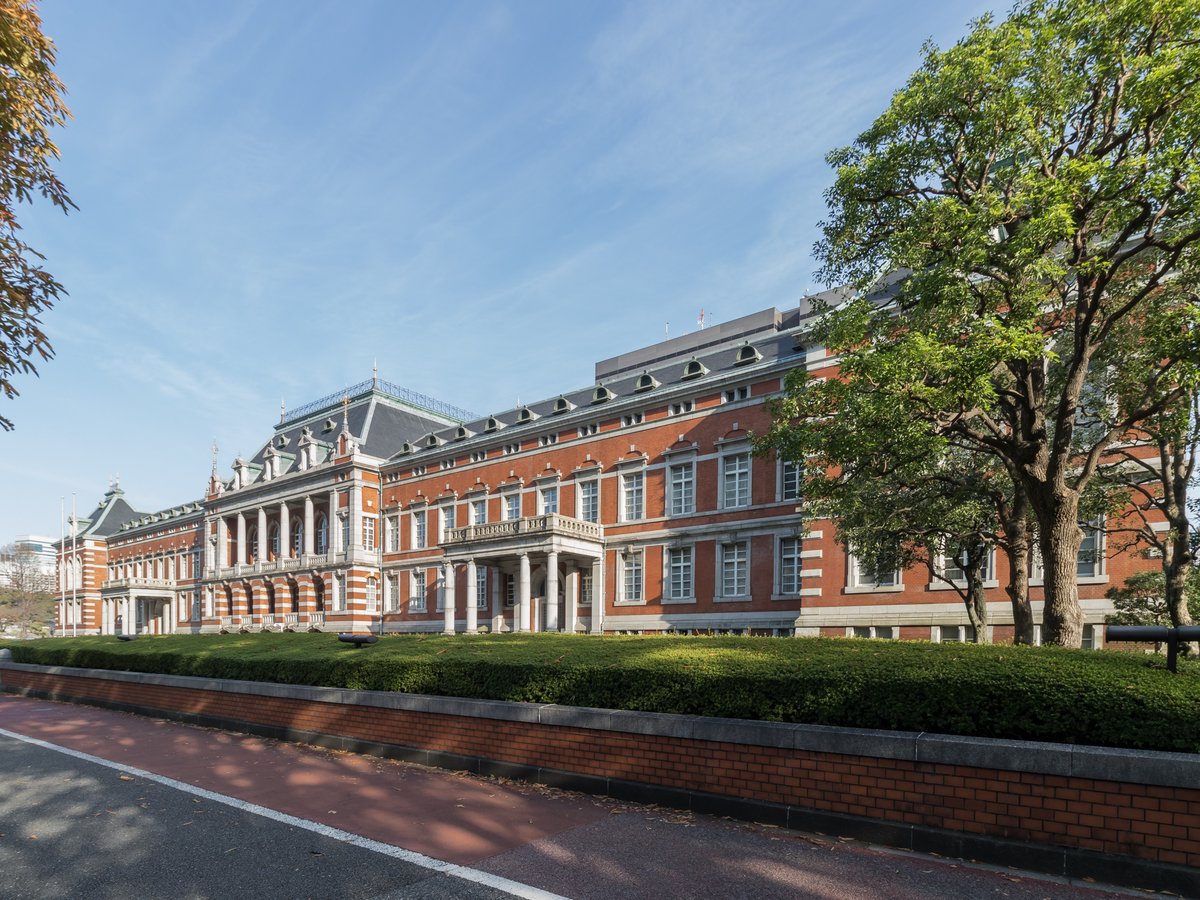
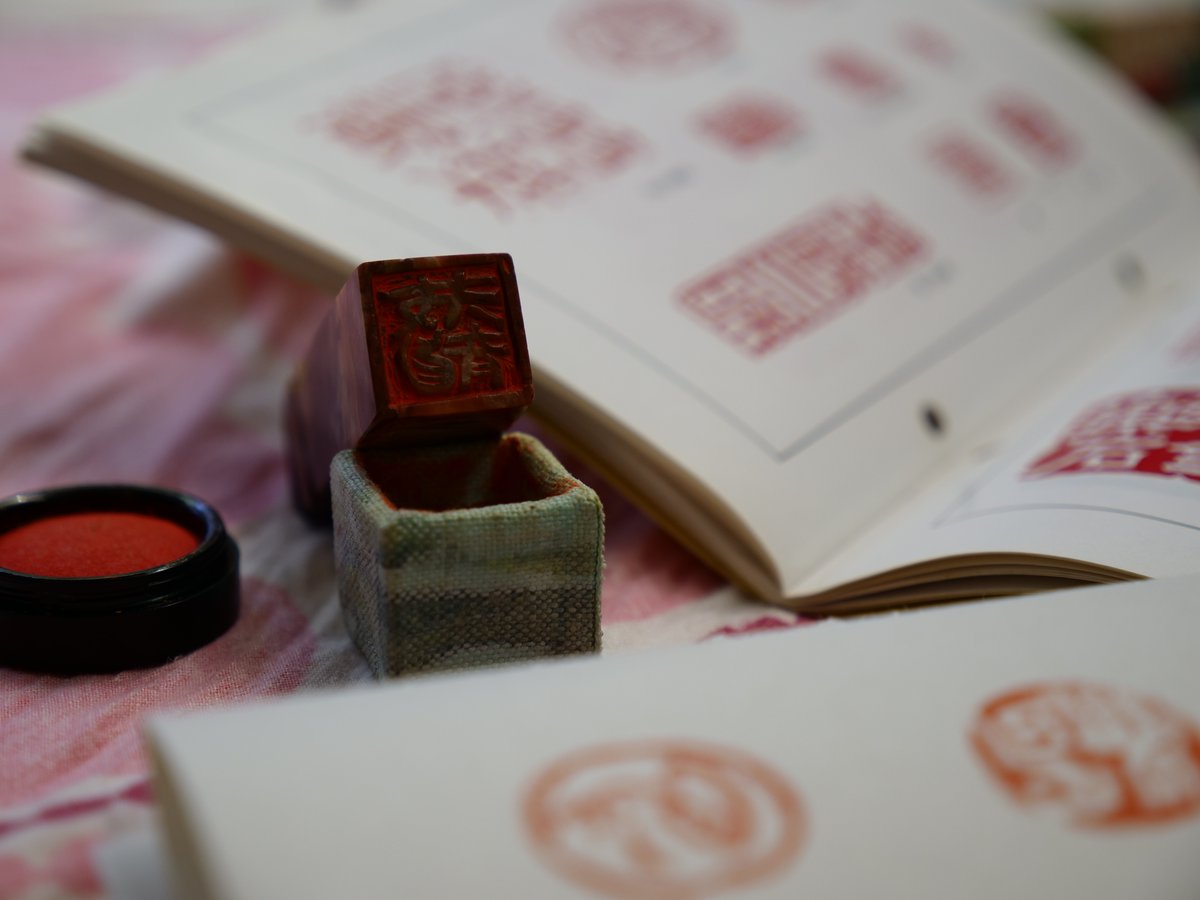
Photographs of institutions (Wikimedia Commons): former main building of the Ministry of Justice, Kasumigaseki, Tokyo, Kakidai (CC BY-SA 4.0); a seal of the kind used on registration documents, Culture Japon (CC BY-SA 4.0)