

Zagdim Reader Desk · Japan visa renewal and change

Japan visa renewal and change of statusDeadlines, documents and official fees

If your period of stay is about to expire, or your work, study or family circumstances have changed, you first need to establish whether to apply for an extension or a change of status, and file before the deadline. The Zagdim Reader Desk first establishes your current status and expiry date, then shortlists suitable Japanese professionals.

The Tokyo skyline
Who it is forResidents whose status is expiring or whose activity has changed
Handled byAdministrative scriveners and lawyers in Japan
LanguagesEnglish or Japanese; other languages on request
Reader Desk feeFree of charge

Information checked: 29 October 2026

01 · ABOUT

Is a renewal always an extension? Start with your current situation

What is commonly called a visa renewal is, inside Japan, usually an application for extension of period of stay (在留期間更新). If your work, study or family activity has changed, you may need a different status of residence, so first establish whether you need an extension or a change of status. The deadline is the expiry date shown on your residence card and permission documents.

  • Evidence of your current situationDocuments must reflect your current work, study or family circumstances.
  • Tiered official feesThe new rates depend on the period granted and how you apply.
  • Check the resultOnce permission is granted, confirm the new status, period and scope of activity.

Where it is handled

Immigration Services AgencyImmigration Services Agency

Examines status of residence and related applications.

Logos belong to the respective bodies and are shown only to identify where a matter is handled. Zagdim is not affiliated with them.
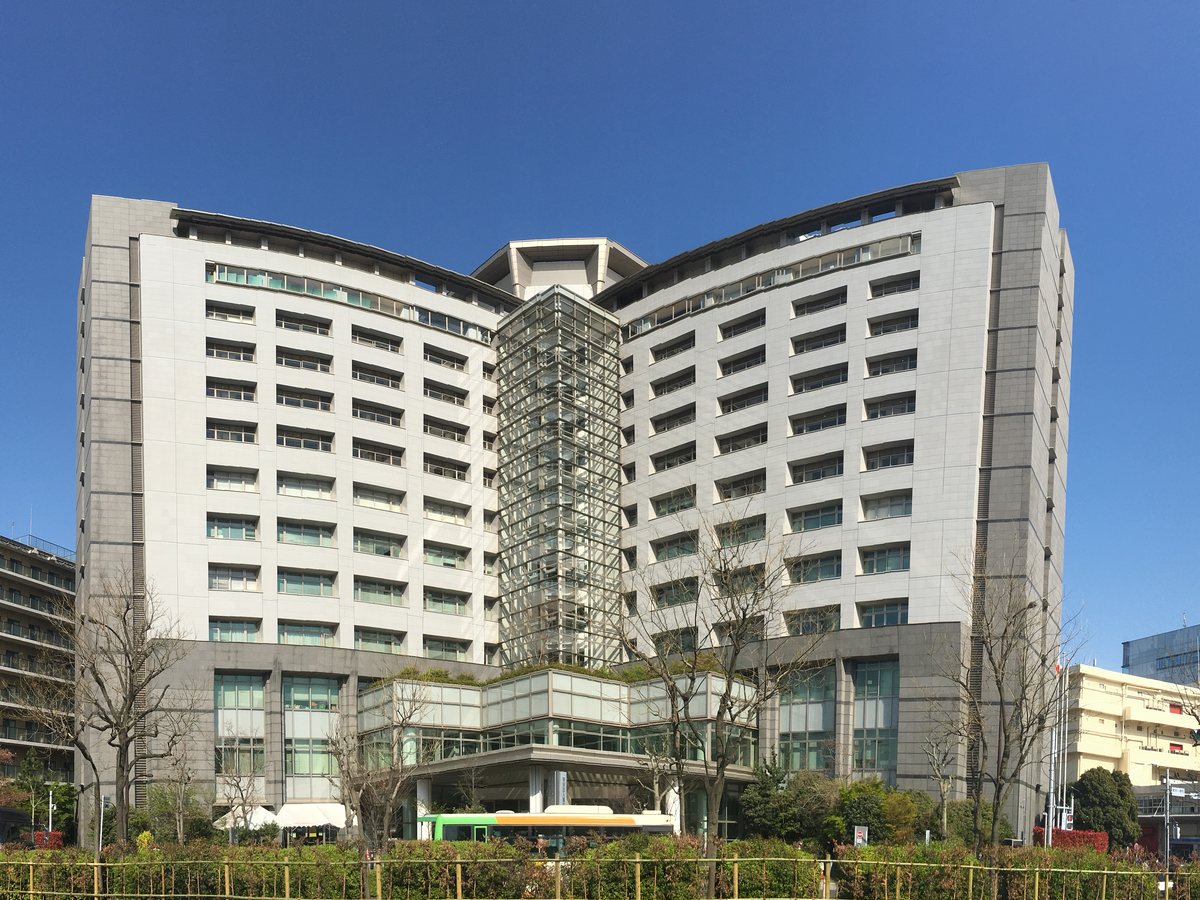
Tokyo Regional Immigration Services Bureau, Konan, Minato
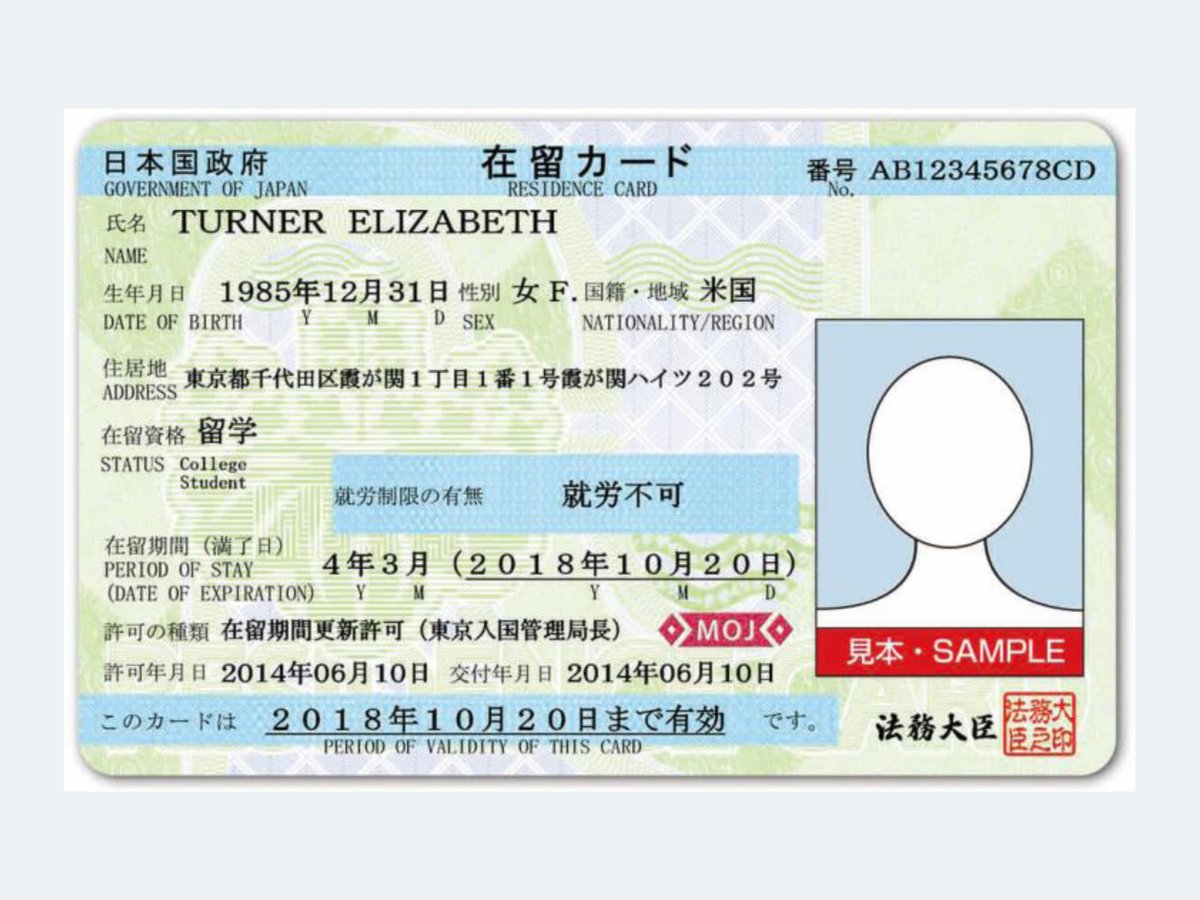
Sample residence card (image: Iwate Prefectural Government)

Start with your current situation

Whether your activity has changed decides whether you apply for an extension or a change of status. Both are filed with the regional immigration office that has jurisdiction over where you live.

Start with the closest situation:

Same activity, expiry approaching

  • When to fileIf your period of stay is 6 months or longer, you can generally file from about 3 months before expiry. The application must be accepted before the original expiry date.
  • Who can fileYou, or an administrative scrivener or similar professional authorised to submit applications on your behalf (申請取次).
  • What to prepareResidence card, proof of employment or enrolment, income and tax records.

Next steps

  1. A pending permanent residence application still requires a separate extension

Work, study or personal status has changed

  • When it appliesYou have graduated, moved to a job that falls under a different status, or your personal status has changed, so that your activity differs from your current status.
  • Note firstFiling an application does not mean the new activity is permitted; for work outside your current status, you must obtain permission first.
  • What to prepareEvidence of the new activity, your current status and the date of the change.

Next steps

  1. Write down the date your activity changed and what the new activity is
  2. Confirm your current expiry date and file before it

Already filed, expiry close

  • Who it applies toResidence card holders who filed for an extension or a change before the original expiry date, have no result by that date, and meet the conditions. Not everyone automatically receives 2 extra months.
  • How long you can stayUntil the date the decision is made or 2 months after the original expiry date, whichever is earlier. You may only continue your original activity.
  • What to keepThe acceptance notice, the application date and the original expiry date. If you applied online, keeping the acceptance notice is especially important.

Next steps

  1. Find your acceptance notice and check the original expiry date
  2. If the immigration authorities ask for further documents, respond within the deadline they set

Sources: Immigration Services Agency – pages on applications for extension of period of stay, applications for change of status of residence, and the special period for residence applications. Checked 29 October 2026.

02 · SERVICE

What do the professionals do for the application?

Confirms whether you need an extension or a change of status, and files an application that reflects your current situation within the applicable deadline.

Who charges what

What the Reader Desk does at no charge

Establishes what you need, sets it out in a written brief, and shortlists and introduces professionals in Japan.

Professional fees

Quoted by the administrative scrivener or lawyer handling the matter once they understand your situation.

How payments flow

Zagdim does not charge readers a matching fee and does not handle payments for professional services. Providers quote case by case, and you contract with and pay the provider directly.

  1. 01Procedure and deadline review

    Confirms whether an extension, a change or another procedure applies, and your current expiry date.

  2. 02Organising evidence of your situation

    Assembles the relevant evidence from your employer, school, family and income.

  3. 03Filing and further documents

    A suitably qualified professional files in accordance with the law and handles requests for further documents.

  4. 04Result and what follows

    Checks the terms of the new permission and the notifications you must continue to make.

03 · CASES

Which situations need extra care?

In every caseFiling for a change of status does not mean the new activity is permitted. Nor does the special period replace the requirement to have been residing and acting lawfully before you applied.

If you have already overstayed, wish to change from temporary visitor status (短期滞在), or your activity has been interrupted, a professional must assess the case separately.

04 · SERVICE PROCESS

From checking to filing: who does each step?

First establish whether it is an extension or a change, then organise the documents and file before the deadline.

English or JapaneseOther languages on request
  1. Check the permission

    You provide your residence card and current circumstances; the professional reads your current status, activity and expiry date.

  2. Prepare the evidence

    You gather your work, study or family documents; the professional organises them against the checklist for an extension or a change.

  3. File before the deadline

    You, or a professional authorised to submit applications on your behalf, file the application and keep proof of acceptance.

  4. Handle the result

    The professional responds to requests for further documents; after approval, the new permission and the payment notice are checked.

Not included

  • Blanket remedies where you have already overstayed
  • Fabricated evidence that your employer or school has not provided
  • Automatic conversion of temporary visitor status into a work status

What you need to prepare

  • Passport and residence card
  • Evidence of your current and new activity
  • Income and tax records, and details of the organisation you belong to
  • All previous acceptance notices and requests for further documents

05 · TIME

When can you apply, and when does the deadline fall?

How quickly preparation goes depends on whether your documents are complete; the immigration authorities notify you of progress in the review. The points below are deadlines for applying and for lawful stay, not completion times.

  1. About 3 months before expiry

    Those with a period of 6 months or longer can generally start applying

  2. Before the original expiry date

    Formal acceptance completed

  3. Under review

    Keep proof of acceptance and deal with requests for further documents

  4. End of the special period

    Calculated case by case for those who meet the conditions

  5. After approval

    Complete collection as set out in the new permission and the notice

06 · FEES

How are official fees calculated, and what other costs are there?

Taxes and official fees

  • Fee where 3 months or less is granted (counter / online)¥10,000 / ¥10,000(The tiers below apply to applications accepted from 1 October 2026; the online payment fee is charged separately.)
  • Fee where more than 3 and up to 6 months is granted (counter / online)¥18,000 / ¥15,000(As above.)
  • Fee where more than 6 months but less than 1 year is granted (counter / online)¥25,000 / ¥21,000(As above.)
  • Fee where 1 year is granted (counter / online)¥33,000 / ¥27,000(As above.)
  • Fee where more than 1 year but less than 3 years is granted (counter / online)¥48,000 / ¥42,000(As above.)
  • Fee where 3 years or more but less than 5 years is granted (counter / online)¥64,000 / ¥56,000(As above.)
  • Fee where 5 years or more is granted (counter / online)¥75,000 / ¥65,000(A ¥550 payment fee applies online.)

Professional and service fees

  • Professional servicesQuoted once your situation is understood(Depends on the status, missing documents and scope of engagement.)
  • Zagdim Reader DeskFree of charge(Consultation, clarifying what you need and shortlisting professionals)

Official fees are based on the period of stay granted. Professional fees depend on whether it is an extension or a change, and on how many documents are missing or requested later. Whether out-of-pocket costs such as obtaining certificates and translation are charged separately is set out in the written quote.

07 · EXPERTS & PROFESSIONALS

Which Japanese professionals are involved?

Depending on the case, different Japanese professionals are involved.

Administrative scrivener

行政書士 · gyōsei shoshi

A suitably qualified administrative scrivener can be engaged to prepare documents and submit residence applications on your behalf; where the law requires you to attend in person, you must still do so.

Lawyer

弁護士 · bengoshi

Gives legal advice on disputes and complex cases; submitting residence applications on your behalf requires separate qualification and notification.

MATCHING

How Zagdim shortlists the right professionals

You do not need to research the difference between an extension and a change in Japanese yourself, or approach administrative scriveners one by one. First establish which application you need and which documents are missing; professionals work in English or Japanese, with other languages on request.

What you need

Zagdim Reader Desk
  • Clarifying the need
  • Matching providers
  • Follow-up at key points
The right professional

Zagdim Reader Desk

Free consultation · clarifying the need · matching · follow-up

No charge to readers

Professionals in Japan

Professional advice and handling

Quote · contract · payment · receipt

Whether a professional can be arranged locally

  1. You tell the Reader DeskWhich prefecture you live in and which situation applies
  2. The Reader Desk checksWhether an administrative scrivener authorised to submit applications on your behalf can be arranged locally
  3. The Reader Desk repliesIf no suitable provider is available, we say so plainly

08 · CONSULTATION

What happens next?

Zagdim Reader DeskFirst understand the situation, then shortlist the right professionals

Four steps after you get in touch

  1. Contact the Reader DeskSet out your current status, expiry date and whether your activity has changed.
  2. A written briefThe Reader Desk prepares it; once you confirm it, you agree to the introduction.
  3. Introduction to a local professionalThe introduction is made according to where you live. Before it is made, the written quote, out-of-pocket costs and conditions for extra charges are confirmed with the provider.
  4. Quote and engagementYou decide whether to engage, and contract with and pay the professional directly.

Have ready before you get in touch:

  • Your status of residence and expiry date
  • Whether your activity has changed, and on which date
  • Whether you have already filed, and the acceptance date

The Zagdim Reader Desk handles contact and follow-up.

Send us your details

The more you tell us, the better the Zagdim Reader Desk understands your situation before we speak.

09 · FAQ

Renewing a visa or changing status in Japan: common questions

What is the difference between an extension and a change?

Continuing the same activity usually means an extension; if the activity changes, a new status must be assessed.

When is the earliest you can apply for an extension?

If your period of stay is 6 months or longer, you can generally file from about 3 months before expiry, and the application must be accepted before the original expiry date.

Can you start a new job once you have applied for a change?

Not necessarily. Filing an application does not mean the new activity is permitted; for work outside your current status, you must first obtain the applicable permission.

If there is no result by the expiry date, do you automatically get two more months?

No. It applies only to those who meet the conditions, and runs until the date the decision is made or 2 months after the original expiry date, whichever is earlier.

How do you prove an online application is pending?

Keep proof of the application, such as the formal acceptance notice, and check your original expiry date.

Can you skip the extension while a permanent residence application is pending?

No. A permanent residence application does not extend your current period of stay; if your current status is about to expire, you must still apply for an extension separately.

Do the new rates depend on the filing date or the approval date?

They depend on the date of acceptance. Applications accepted from 1 October 2026 fall under the new rates, based on the period granted. Online applications also carry a payment fee: ¥330 where less than 3 years is granted and ¥550 for 3 years or more. Applications accepted on or before 30 September 2026 remain at ¥6,000 at the counter and ¥5,500 online, even if approved in October or later.

Check the expiry date on your residence card first, then prepare the extension or change.

Book a free 20-minute call

Residence applications are examined by the Immigration Services Agency, and the outcome is decided by the immigration authorities. Official fees follow the current notices of the Japanese authorities. Quotes, contracts, payments and receipts for professional services are handled by the professional concerned. This page is general information and is not legal advice.

Photographs of institutions (Wikimedia Commons): Tokyo Regional Immigration Services Bureau, Konan, Minato, Nesnad (CC BY 4.0); sample residence card (image: Iwate Prefectural Government), Iwate Prefecture Government website (CC BY 4.0)