
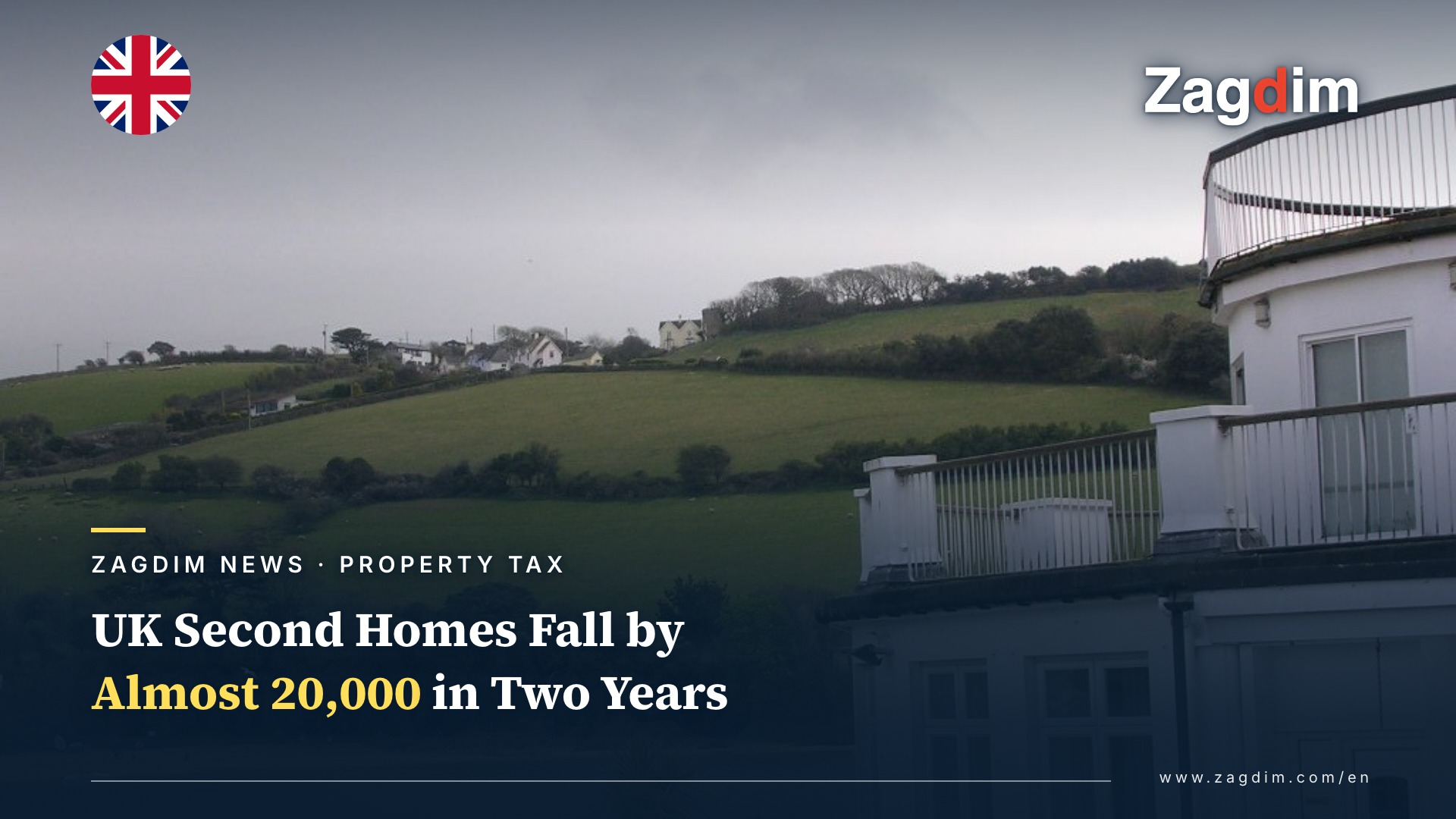
The number of properties classed as second homes in England fell to 260,446 as of this year, down from 279,870 in 2024 — a drop of almost 20,000, or 7,478 in the past year alone — the lowest level since 2022, according to local-authority council tax data published by the Ministry of Housing, Communities and Local Government and reported by This is Money.
Many second-home owners have seen their council tax bill double since April 2025, after a change by the former Conservative government let councils set a premium on second homes of up to 200% of the normal rate in England, and up to 400% in Wales. This year, 176,000 second homes — more than two-thirds of the total — were charged the premium, up from 170,299 in 2025, as the number of councils applying it rose from 211 to 246. A 100% premium means a second-home owner in a Band D property typically pays £4,784 instead of £2,392 a year; in Salcombe, a second-home hotspot in Devon, a Band H property owner’s bill has doubled from £5,193 to £10,386. Based on the average Band D premium, This is Money estimates councils are now collecting about £421.9 million a year from the 100% premium nationally, and may have lost about £46.5 million if all 19,424 second homes that disappeared since 2024 had been in premium-charging areas.
The policy is intended to push second homes back onto the owner-occupier or long-term rental market, but Jeremy Leaf, a north London estate agent and former RICS residential chairman, said it is unclear how many former second homes have actually converted to long-term lets or owner-occupied housing, partly because enforcement of related rules has been inconsistent. The change affects anyone who owns, or is considering buying, a second home in England or Wales, particularly in councils that already apply or are likely to introduce the premium.