






























News summary: nuisance behaviour on Singapore’s buses and at bus interchanges becomes an offence from 23 September 2026
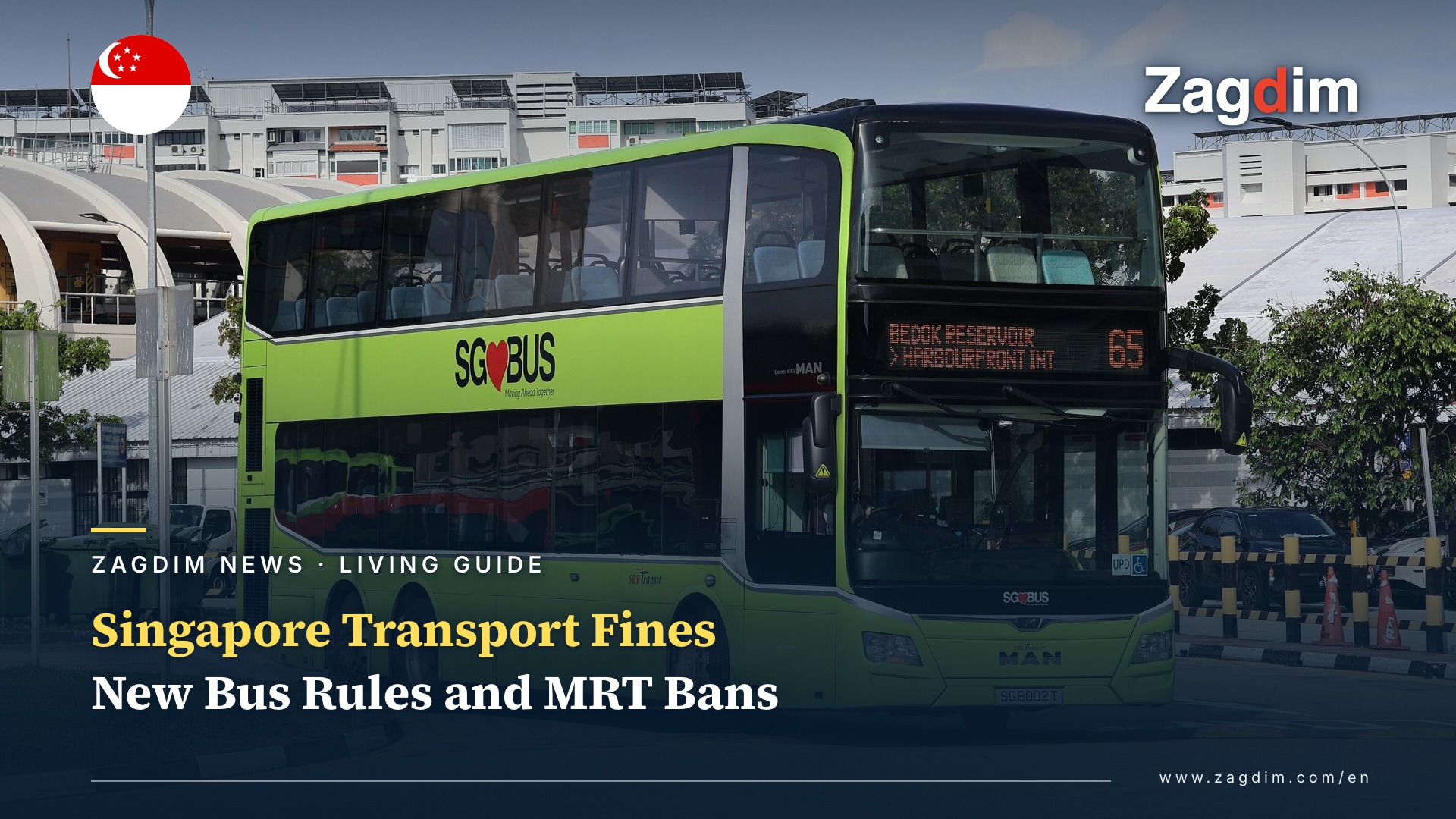
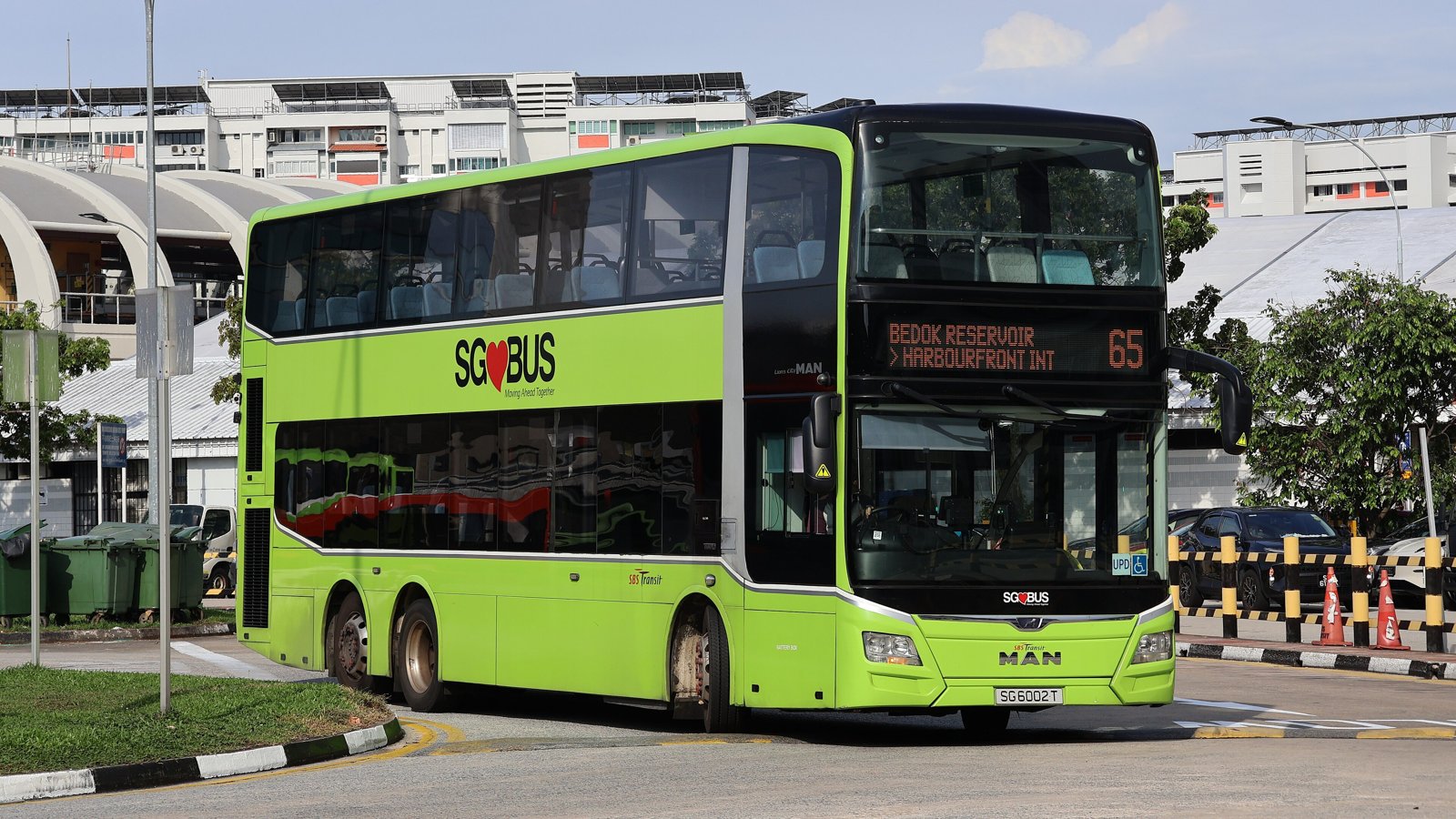
On 21 September 2026, Singapore’s Land Transport Authority (LTA) announced that two new sets of regulations would take effect from 23 September 2026, making nuisance and disruptive behaviour on public buses and at bus interchanges and terminals an offence. Examples include putting your feet on seats, playing audio loudly, littering, and eating or drinking on board. Singapore news site Mothership reported the change the same day, noting that bus operators’ ticket inspectors and interchange staff can issue notices to people who break the rules. LTA said the aim is to bring the rules for buses in line with those that already apply on the rail network.
Key takeaways
- Who this is for: anyone visiting Singapore for a holiday or business trip, or who has recently moved there to work or study and relies on buses and the MRT every day.
- What the new rules cover: from 23 September 2026, nuisance behaviour on buses and at bus interchanges and terminals can be penalised. Minor offences carry a maximum fine of S$500; causing obstruction to others or soiling facilities carries a maximum of S$5,000.
- The MRT already has its own rulebook: the MRT and LRT have long been covered by the Rapid Transit Systems Regulations, which set maximum fines for eating and drinking, chewing gum, smoking and carrying flammable items.
- What to watch first: drinking water counts as “drinking” anywhere on the rail premises; the rules on durian differ between buses and the MRT; and not tapping your card when boarding or alighting counts as fare evasion and attracts a penalty fee.
What you can’t do on Singapore’s buses and MRT: the two sets of rules compared
From 23 September 2026: new rules on buses and at bus interchanges and terminals
The two new regulations announced by LTA are the Bus Services Industry (Control of Conduct and Activities – Public Bus) Regulations 2026 and the Bus Services Industry (Control of Conduct and Activities – Bus Interchange) Regulations 2026. Their legal basis is the Transport Sector (Miscellaneous Amendments) Act, passed in October 2025.
| Behaviour | Where it applies | Maximum fine | Data basis |
|---|---|---|---|
| Putting feet on seats or playing audio loudly in a way that causes nuisance or annoyance to other passengers | Buses, bus interchanges and terminals | S$500 | LTA news release (21 September 2026) |
| Littering | Buses, bus interchanges and terminals | S$500 | LTA news release (21 September 2026) |
| Eating or drinking on board | On buses | S$500 | LTA news release (21 September 2026) |
| Causing obstruction or danger to other passengers at an interchange or terminal | Bus interchanges and terminals | S$5,000 | LTA news release (21 September 2026) |
| Soiling any part of a bus, interchange or terminal | Buses, bus interchanges and terminals | S$5,000 | LTA news release (21 September 2026) |
A few details worth noting:
- All amounts in the table are maximums. They do not mean every offence will be fined at that level. LTA has also said it will exercise discretion and handle cases fairly, especially where passengers have physical or mental health conditions.
- LTA’s list gives examples, not a complete list. The specific offences are set out in the regulations themselves.
- The penalties mirror those already in place on the MRT, as LTA states explicitly in its announcement.
Who can issue a notice of offence?
Authorised bus operator staff, such as ticket inspectors and interchange staff, can issue an Administrative Notification of Offence (Administrative NOO) to anyone suspected of an offence. LTA then follows up with an investigation. In other words, what you receive is a notice of offence, and what happens next is decided by LTA.
Bus captains (drivers) are not authorised to issue these notices, so that they can concentrate on driving safely. They can still discourage nuisance behaviour under the bus Conditions of Carriage and ask passengers who do not comply to get off. If a passenger refuses to cooperate, the bus captain can call the Bus Operations Control Centre for help, and in serious cases can involve the police.
The bus Conditions of Carriage that already apply
Since 10 March 2025, buses run by Singapore’s four public bus operators have been subject to the Conditions of Carriage drawn up by LTA. The Conditions themselves do not list fine amounts, but if you breach them the bus captain can ask you to get off without a fare refund. The main points are:
- Do not put your feet or shoes anywhere other than the floor, including seats, handles and grab poles.
- Do not eat or drink on board; open drinks and containers should be tied or sealed to prevent spills.
- Keep phone calls, conversations and device use at a volume that does not disturb others; use earphones for devices with sound.
- Do not smoke.
- Durians that are not vacuum-sealed may not be brought on board.
- Items may not exceed 120 cm × 70 cm × 40 cm; one foldable bicycle is allowed, folded and with its wheels covered.
- Do not stand on the upper deck of a double-decker bus or sit on the stairs.
- When the bus is crowded, one person (with their belongings) should not take up more than one seat, and standing passengers should move towards the rear.
What you can’t do on the MRT and LRT, and the maximum fines
The MRT and LRT are governed by the Rapid Transit Systems Regulations, which apply across the whole railway premises, including trains and stations. These are the items most relevant to everyday passengers:
| Prohibited | Key points of the rule | Maximum fine | Data basis |
|---|---|---|---|
| Eating, drinking, chewing gum | No eating or drinking (including attempting to) except in designated areas; no chewing gum or bubble gum anywhere on the railway premises | S$500 | Rapid Transit Systems Regulations, reg 14 |
| Smoking | No smoking, carrying a lit cigarette or using anything with a naked flame where smoking is prohibited by notice | S$1,000 | Rapid Transit Systems Regulations, reg 6 |
| Carrying dangerous or flammable items | No carrying of dangerous or flammable substances listed in the conditions of use | S$5,000 | Rapid Transit Systems Regulations, reg 9 |
| Spitting, littering, soiling facilities | Includes littering chewing gum | S$5,000 | Rapid Transit Systems Regulations, reg 15 |
| Causing nuisance to other passengers | Causing nuisance or annoyance to others on trains or in stations | S$500 | Rapid Transit Systems Regulations, reg 17 |
| Carrying prohibited luggage or items | Items exceeding the size or weight shown on notices, items likely to inconvenience others, or items prohibited by staff or by notice | S$500 | Rapid Transit Systems Regulations, reg 7 |
| Causing obstruction and danger | — | S$5,000 | Rapid Transit Systems Regulations, reg 29 |
| Interfering with train doors | — | S$1,000 | Rapid Transit Systems Regulations, reg 26 |
| Misusing emergency or safety devices | — | S$5,000 | Rapid Transit Systems Regulations, reg 25 |
| Passing items between the paid and unpaid areas without going through the gates | — | S$2,000 | Rapid Transit Systems Regulations, reg 31 |
Operator staff can also remove anyone reasonably suspected of an offence from the railway premises. Luggage size limits on the MRT follow the notices displayed in stations; the regulations themselves do not state a figure.
Fares and fare evasion: the same on buses and the MRT
Under the rules of Singapore’s Public Transport Council (PTC), all of the following count as fare evasion and attract a flat S$50 penalty fee:
- Not paying the fare.
- Not tapping your card when boarding or alighting a bus, or when entering or exiting MRT gates.
- Using a concession fare you are not eligible for, or using someone else’s concession card.
- Using an invalid ticket or underpaying.
Fare checks are carried out by authorised Public Transport Officials. If you are caught, you will receive a notice to pay, and you must pay within the deadline stated on it.
Common misconceptions: details newcomers often miss
Misconception 1: “It’s just a sip of water, surely that’s fine”
Why it’s not the full picture: the MRT regulations prohibit eating and drinking, and water is still a drink. The rule applies across the entire railway premises, not just inside the carriage. The bus Conditions of Carriage and the new bus rules also prohibit eating and drinking on board.
Practical tip: drink before you enter the station or after you get off. On hot days, keep your bottle in your bag and take it out once you have left the station.
Misconception 2: “Durian is fine on the MRT as long as it’s wrapped”
Why it’s not the full picture: the bus Conditions of Carriage explicitly allow vacuum-sealed durian on board, but that rule applies only to buses. The MRT regulations do not mention durian by name; instead, they prohibit carrying items banned by staff or by notice. Where station notices list durian as a prohibited item, you should not bring it into the station. No specific official fine for durian has been published; penalties follow the official rules.
Practical tip: if you buy durian to take home, consider having it vacuum-packed and taking the bus, or take a taxi instead.
Misconception 3: “Under the new rules, inspectors will collect fines on the spot”
Why it’s not the full picture: according to LTA, authorised staff issue an Administrative Notification of Offence, and LTA then follows up with an investigation. The amounts in the table are maximums; the actual outcome depends on the investigation.
Practical tip: if you receive a notice, cooperate and follow the instructions on it. Bus captains do not issue notices, but they can still ask passengers who do not comply to get off.
Misconception 4: “Chewing gum is fine as long as I don’t spit it out”
Why it’s not the full picture: the MRT regulations prohibit chewing gum and bubble gum on the railway premises, not just littering it. Dropping gum is a separate offence of soiling facilities, with a higher maximum fine.
Practical tip: before entering the station, wrap your gum in paper and put it in a bin.
Misconception 5: “If I forget to tap out, it’ll just be charged later”
Why it’s not the full picture: the PTC lists not tapping your card when boarding, alighting or passing through the gates as a form of fare evasion. If you are caught, you will be charged a S$50 penalty fee.
Practical tip: tap your card both when you board and when you leave the bus. Before sharing a travel card or concession card with family members, check that they are eligible to use it.
Everyday scenarios: travellers, new arrivals and parents
Scenario 1: A first-time visitor exploring Singapore
Background: it’s your first trip to Singapore, you are mostly staying in the city centre and getting around by MRT, and you are used to carrying water in the heat.
The problem: you get thirsty in the carriage, or want to eat a bun you just bought while waiting on the platform.
What to do: plan to eat and drink before you enter the station or after you leave. Inside the station, keep food and drinks closed.
Don’t overlook: the maximum fine for eating or drinking on the MRT is S$500, and the same applies to chewing gum.
Scenario 2: A foreign employee who has just started work in Singapore
Background: you commute every day by bus and then MRT. Mornings are rushed, and you would like to eat breakfast on the bus and watch videos on your phone without earphones.
The problem: from 23 September 2026, eating or drinking on the bus and playing audio loudly are both offences that can be penalised.
What to do: have breakfast before you change services or once you reach the office, and use earphones for videos.
Don’t overlook: running, pushing or blocking others from boarding or alighting at an interchange could be treated as causing obstruction or danger, which carries a maximum of S$5,000.
Scenario 3: A parent in Singapore while a child attends school there
Background: at the weekend you take your child on a double-decker bus and want to sit upstairs for the view. On the way back, you pick up a durian.
The problem: there are no seats upstairs and your child wants to stand; the durian is only in a plastic bag.
What to do: if there are no seats on the upper deck, stay downstairs. Ask the shop to vacuum-pack the durian before taking the bus, and don’t bring it into an MRT station.
Don’t overlook: a child putting their shoes on the seat is also against the Conditions of Carriage, so keep an eye on it.
Singapore bus and MRT fines: questions visitors and newcomers ask
When do the new rules start, and do they apply to the MRT?
The new rules take effect from 23 September 2026 and cover buses, bus interchanges and terminals. The MRT and LRT were already governed by the Rapid Transit Systems Regulations; these new rules are aimed at buses, interchanges and terminals. LTA has explained that the new penalties are modelled on the existing rail standards so that the two sets of rules are consistent.
Can I drink water on the Singapore MRT?
No. The MRT regulations prohibit eating and drinking on the railway premises except in areas designated by the operator, and water counts as a drink. The maximum fine is S$500. The rule covers both trains and stations, not just the inside of the carriage. If you need a drink, have it before you enter or after you leave the station, and remember that eating and drinking on buses is also prohibited.
How much is the fine for putting my feet on a bus seat?
From 23 September 2026, putting your feet on a seat in a way that causes nuisance to other passengers is an offence under the new rules, with a maximum fine of S$500. Even before this, the bus Conditions of Carriage already prohibited putting feet or shoes on seats, handles or grab poles. The actual penalty depends on the outcome of LTA’s investigation; the amount listed is a maximum.
Can bus drivers issue fines?
No. LTA has said that bus captains are not authorised to issue Administrative Notifications of Offence, so that they can focus on driving safely. Notices can be issued by authorised operator staff such as ticket inspectors and interchange staff. Bus captains can still discourage nuisance behaviour and ask passengers who do not comply to get off, and can call the operations control centre or the police if necessary.
Can I take durian on a bus or the MRT in Singapore?
On buses, the Conditions of Carriage prohibit durian that is not vacuum-sealed, so vacuum-sealed durian is allowed. On the MRT, the regulations prohibit items banned by staff or by notice, so where station notices list durian as prohibited, you should not bring it into the station. No specific official fine for durian has been published; the official rules apply.
What should a foreign visitor do after receiving a notice of offence or a fare evasion penalty?
Under the new rules, a suspected offender receives an Administrative Notification of Offence, after which LTA follows up with an investigation; follow the instructions on the notice. For fare evasion, Public Transport Officials issue a notice to pay a S$50 penalty fee, which must be paid within the deadline on the notice. How to deal with either, and by when, depends on the notice itself and the latest official announcements.
Can I be fined for chewing gum on the Singapore MRT?
Yes. The MRT regulations expressly prohibit chewing gum or bubble gum on the railway premises, under the same rule as eating and drinking, with a maximum fine of S$500. Dropping gum in a station or on a train counts as littering and soiling facilities, with a maximum fine of S$5,000.
Questions? Ask Zagdim
If you have practical questions about living in or moving to Singapore, you can Ask Zagdim.
Life abroad? Ask Zagdim.
Your first stop for international property and global living.
Research and insights. Know what’s changing. Understand what matters.
Get overseas change alerts → When a change affects you, we’ll write.
Disclaimer
This article is general information and does not constitute legal advice. It is based mainly on official material published in 2025 and 2026 by Singapore’s Land Transport Authority, Singapore Statutes Online and the Public Transport Council. Singapore’s public transport rules may change, and how penalties apply in any individual case is decided by the relevant authorities. Please refer to the latest announcements from LTA and other official bodies, and consult a qualified professional where needed.
Rules as of September 2026; check LTA’s latest announcements.
References
Land Transport Authority – New Regulations on Public Buses and at Bus Interchanges/Terminals Implemented from 23 September 2026 to Foster a More Pleasant Public Transport Environment / Singapore Statutes Online – Rapid Transit Systems Regulations / Land Transport Authority – Conditions of Carriage for Public Buses in Singapore / Land Transport Authority – A Better Commuting Experience for All / Public Transport Council – Fare evasion for bus & rail / Mothership – S’pore commuters who blast loud audio, put feet on bus seats can be fined up to S$500 from Sep. 23