





























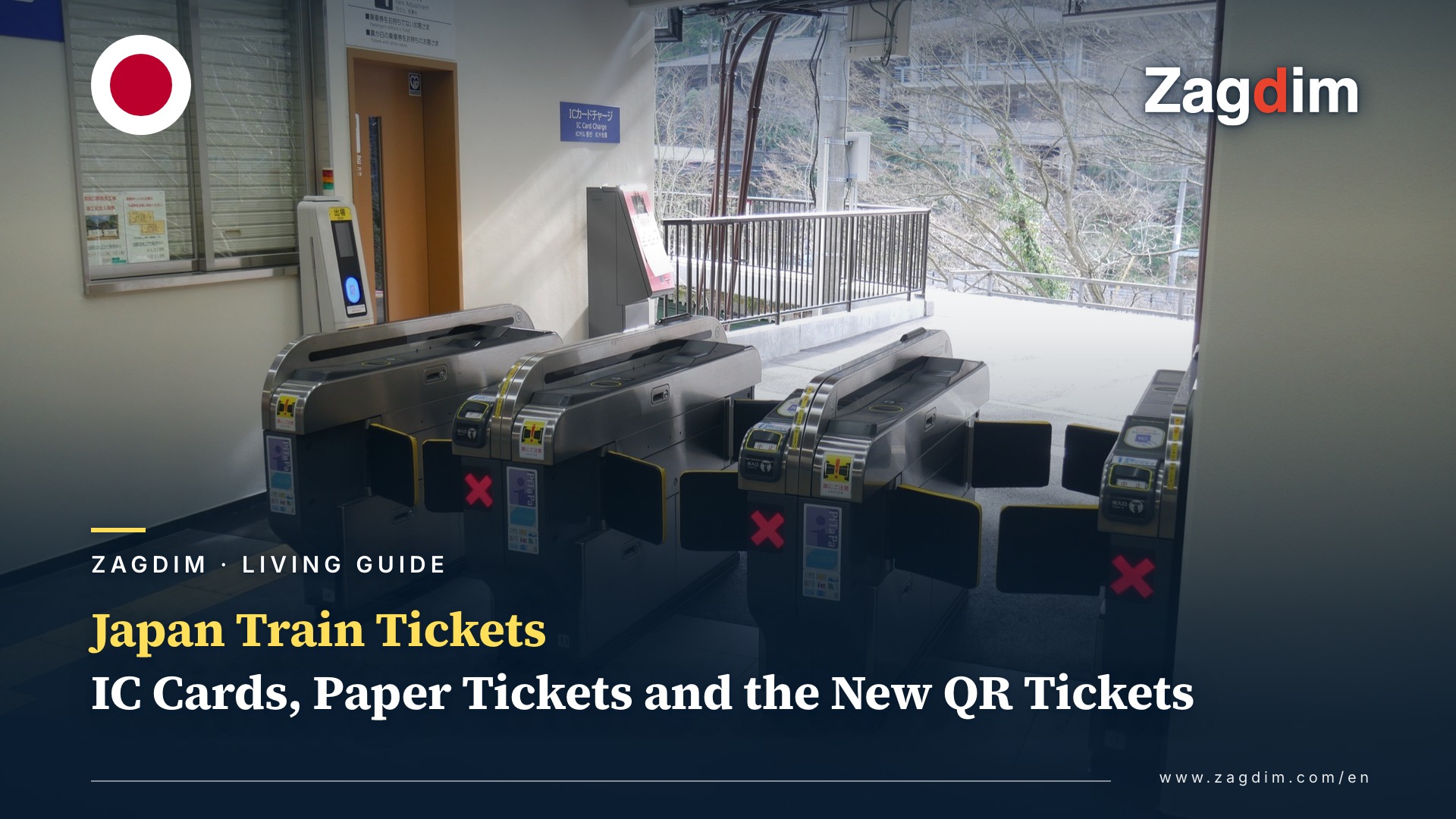
Paper Japan Train Tickets Are Changing: From Spring 2027, Seven Railways Switch to QR Tickets You Hold Up to the Gate and Drop in a Box on Exit
Paper Japan train tickets on seven railways, including JR East, will change from magnetic tickets to QR tickets from spring 2027: according to a joint press release issued by the seven companies on 13 October 2026, you will hold the QR code on the ticket up to a reader on the automatic ticket gate when you enter, and drop the ticket into a collection box on the gate when you leave. Entering and exiting with IC cards such as Suica and PASMO is not part of this change.
The release was issued jointly on 13 October 2026 by Keisei Electric Railway, Keikyu (Keihin Electric Express Railway), Sendai Airport Transit, Tokyo Monorail, Tobu Railway, JR East (East Japan Railway Company) and Hokuso Railway, and was reported by ITmedia NEWS the same afternoon. On 29 May 2024, eight railways had already announced a plan to replace magnetic tickets with QR-code tickets; this release sets the start date. Seibu Railway and Shin-Keisei Electric Railway, both on the 2024 list, do not appear this time, while Sendai Airport Transit has joined.
The tickets are changing, but most people will not need to change how they travel. This guide explains the three ways to ride trains in Japan — IC cards, paper tickets and QR tickets — and then how short-term visitors and people living and commuting in Japan should choose.
Key Points
- Who should pay attention: travellers planning independent trips who will ride trains around Tokyo; foreigners who work, study or live in Japan and commute every day; anyone helping family or friends plan transport for a visit.
- The most common way to ride is an IC card: tap once on entry and once on exit, and the fare is deducted automatically. The QR change applies to short-distance paper tickets issued from ticket machines.
- From spring 2027, QR tickets can be used on all lines and at all stations of the seven companies. Tickets grow from 30×57.5mm to 57.5×85mm, and stations without QR gates will use a staffed window.
- For long-term residents, the key product is the commuter pass: Suica commuter passes can be bought at stations or in Mobile Suica, but passes crossing certain areas cannot be bought on a phone.
Japan Train Tickets Compared: IC Cards, Paper Tickets and QR Tickets
When you ride a train in Japan, you will be holding one of three things at the gate. The IC card column below is based on JR East’s official Suica pages; the paper ticket and QR ticket columns are based on the seven companies’ release of 13 October 2026 and JR East’s release of 9 June 2026:
| Item | IC card (Suica, PASMO etc., including phone versions) | Magnetic paper ticket (current) | QR ticket (from spring 2027, seven companies) |
|---|---|---|---|
| Where to get it | Card from station machines or counters; phone version set up in an app | Station ticket machine | Station ticket machine |
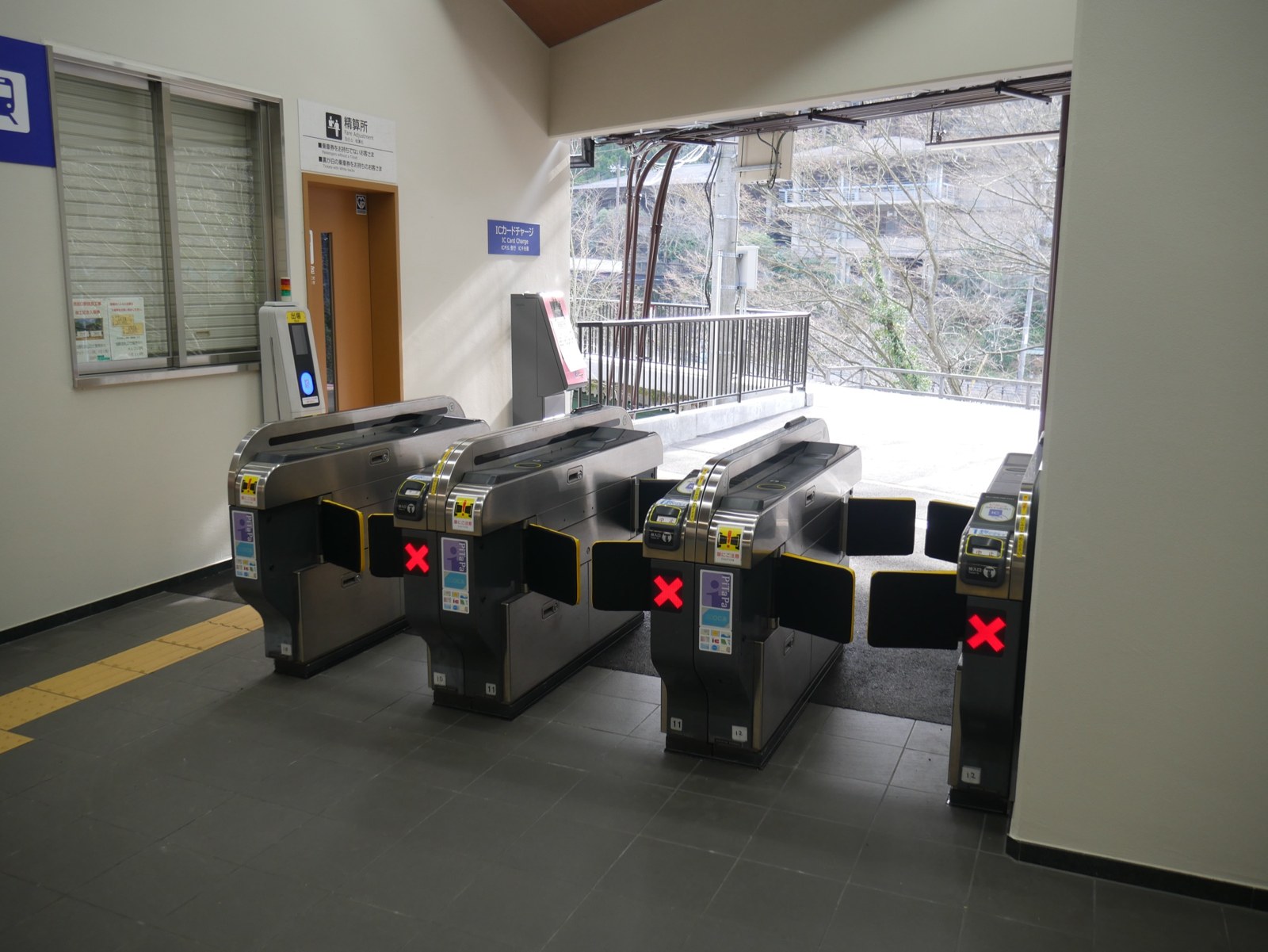
| Entering | Tap card or phone on the gate | Insert ticket into the gate | Hold the QR code up to the gate reader |
| Exiting | Tap again; fare deducted automatically | Insert into the gate, which keeps it | Drop into the collection box on the gate |
| Ticket size | Not applicable | 30×57.5mm | 57.5×85mm (with some exceptions) |
| Fare | Calculated from the journey actually taken | Destination chosen when buying | Destination chosen when buying |
| Affected by this change? | No | Being replaced by QR tickets at the seven companies from spring 2027 | New system |
The new QR ticket has roughly 2.8 times the area of the old one (simple arithmetic: 57.5×85 divided by 30×57.5). JR East says the larger size makes the QR code easier to hold up to the reader. The back of the ticket also loses its magnetic layer, which makes used tickets easier to recycle.
QR Japan Train Tickets: Which Railways, Which Tickets and How to Use Them
The seven railways and their lines
The seven companies are Keisei Electric Railway, Keikyu, Sendai Airport Transit, Tokyo Monorail, Tobu Railway, JR East and Hokuso Railway. The release states that QR tickets will be usable on all of their lines and at all of their stations, though how you use them will vary with each station’s equipment. Other operators such as Tokyo Metro and Toei Subway are not on the list. The release says operators starting from fiscal 2027 onward will announce once decided, and that the seven are coordinating with other railways linked through through-services.
Which tickets are changing
JR East’s release of 9 June 2026 refers to “short-distance tickets” (kinkyori joshaken). The eight companies’ 2024 plan specified ordinary tickets (short-distance) issued from each company’s automatic ticket machines. The releases do not say whether Shinkansen tickets, limited express tickets or commuter passes will change; they say only that usage details and changes to magnetic tickets and related services will be announced by each company once decided.
Why the switch
The eight companies gave three reasons in 2024: gates and ticket machines built for magnetic tickets are mechanically complex and hard to maintain over the long term; magnetic ticket paper contains metal, so the magnetic layer has to be separated for recycling; and inserting tickets into gates causes jams and faults. The 2024 plan also said the companies would share one QR ticket management server, making it possible to issue QR tickets that cover more than one company.
Getting in and out of the station
The steps below all come from section 4 of the seven companies’ release of 13 October 2026:
| Step | Current magnetic ticket | QR ticket from spring 2027 |
|---|---|---|
| Buy | Ticket machine | Ticket machine |
| Enter | Insert into the gate | Hold the QR code up to the gate reader |
| Exit | Insert into the gate, which keeps it | Drop into the collection box on the gate |
| Station without a compatible gate | — | Use a staffed window |
For stations without QR gates, the release says details will be announced by each company once decided.
Riding Trains in Japan with an IC Card: Suica, Welcome Suica and the Phone Version
An IC card is a prepaid stored-value card. Tap in, tap out, and the fare for the journey you actually took is deducted from the balance, with no need to look up fares or buy a ticket. The table below uses JR East’s Suica family as the example and is based on JR East’s official pages (read in October 2026):
| Item | Suica card | Welcome Suica card | Welcome Suica Mobile (iPhone app) |
|---|---|---|---|
| Who it suits | Residents and repeat visitors | Short-term visitors | Short-term visitors (iPhone) |
| Deposit | 500 yen (included in the price, refunded when you return the card) | None | None |
| Validity | Becomes invalid only after 10 years without use | 28 days from purchase | 180 days from issue |
| Top-up | Cash only, at ticket or fare adjustment machines; maximum balance 20,000 yen | See official guidance | Credit card registered with Apple Pay |
| Refund | Balance refundable minus a 220 yen handling fee | See official guidance | Balance not refundable |
Suica cards are sold at 1,000, 2,000, 3,000, 4,000, 5,000 and 10,000 yen, each including the 500 yen deposit. Physical cards are sold at multifunction ticket machines and JR ticket offices (midori no madoguchi) at JR East stations in the Suica area; some Suica-compatible stations do not sell them.
Three limits to keep in mind:
- No continuous travel between areas: Suica and Welcome Suica work only within each area. You cannot, for example, tap from the Tokyo metropolitan area all the way to the Sendai area; leave the gate and re-enter, or buy a ticket in advance.
- Limited express and Shinkansen need separate tickets: for limited express or express trains, or Green Cars, you need to buy the relevant ticket separately.
- Look for the nationwide symbol: where the nationwide mutual-use symbol is shown, Suica and Welcome Suica can be used; compatible cards include Kitaca, PASMO, manaca, TOICA, ICOCA, Hayakaken, nimoca and SUGOCA. They cannot be used at shops in PiTaPa areas.
Welcome Suica Mobile works only on iPhones that support Apple Pay, and users must be 13 or older. JR East also notes that laws in some countries restrict downloading the app and topping up, so setup may only be possible after arriving in Japan.
How Short-Term Visitors and Commuters Should Choose Japan Train Tickets
Independent travellers: an IC card first, paper tickets as back-up
For most short-term visitors an IC card is enough. iPhone users can use Welcome Suica Mobile, or anyone can buy a Welcome Suica card; neither needs a deposit. Paper tickets are more of a back-up — when your balance runs low, when a route goes outside the IC card area, or when someone in your group has no card. After spring 2027, a paper ticket bought at one of these seven companies’ stations will be a QR ticket: remember to drop it in the collection box when you leave rather than inserting it into the gate. For the Shinkansen, JR East’s purchasing guide says you need a basic fare ticket plus a limited express ticket, which you can buy online in advance through JR-EAST Train Reservation.
Living and commuting in Japan: think commuter pass
If you travel the same route every day for work or school, a commuter pass usually makes more sense. According to JR East:
- Suica commuter passes can be bought from reserved-seat ticket machines, multifunction ticket machines and ticket offices at JR East stations in the Suica area, or in the Mobile Suica app.
- In Mobile Suica you can buy commuter or student passes with a credit card, and later change the route or get a refund in the app.
- As a rule, routes that do not use any JR East line cannot be bought in Mobile Suica, and passes spanning the Tokyo Suica area and the TOICA area can only be bought at stations.
Residents mostly use IC cards or commuter passes, so the QR change mainly affects the occasional single ticket.
Common Misunderstandings About Japan Train Tickets
- Misunderstanding: QR tickets mean paying by scanning a QR code with your phone. A QR ticket is a paper ticket printed by a station ticket machine with a QR code on it; the release describes holding the ticket up to the gate reader, not paying with a phone app. Tip: to ride with your phone, use a phone IC card such as Mobile Suica or Welcome Suica Mobile.
- Misunderstanding: Suica and PASMO are being replaced too. This change covers magnetic paper tickets. The seven companies’ release in fact says IC cards such as Suica and PASMO, and their phone versions, remain at the centre of rail travel. Tip: keep using your IC card as usual.
- Misunderstanding: every railway in Japan is switching at once. Only seven companies start in spring 2027; others will announce once decided. Tip: on other operators’ lines, follow that company’s notices.
- Misunderstanding: an IC card lets you tap from Tokyo all the way to Sendai. Suica cannot be used continuously across areas. Tip: leave the gate when crossing areas, or buy a ticket in advance.
- Misunderstanding: you can keep the QR ticket as a souvenir. The release says the ticket goes into the collection box on the gate when you exit. Tip: if you need a receipt or proof of travel, ask station staff first.
Japan Train Ticket Scenarios
Scenario one: a first-time independent traveller in Tokyo. An iPhone user can download Welcome Suica Mobile before the trip, set it up and top it up after arriving, and tap the phone at every gate; family members whose phones do not support it can buy a Welcome Suica card. If the trip is after spring 2027 and they buy an occasional single ticket from a machine, it will be a QR ticket: hold it up to the reader on entry and drop it in the box on exit. Note that a Welcome Suica card is valid for only 28 days from purchase, and the balance on Welcome Suica Mobile is not refunded, so top up only what you expect to use.
Scenario two: an employee transferred to Tokyo who commutes on JR every day. For a fixed daily route, a commuter pass can be bought in Mobile Suica and paid for by credit card; after moving house, the route can be changed in the app. Note that if the commute does not use any JR East line, Mobile Suica generally cannot sell the pass, and it has to be bought from the operator of that line.
Scenario three: a long-term resident in Chiba who often takes Keisei to and from Narita Airport. Keisei is one of the seven companies switching to QR tickets from spring 2027. Everyday IC card use is unaffected; when buying single tickets for visiting friends or family, it helps to tell them how the new tickets work.
Japan Train Tickets: Frequently Asked Questions
Do I need an IC card to use Japan train tickets at all?
No. You can ride with paper tickets, but you have to look up your destination and buy a ticket from a machine each time. An IC card is tapped once on entry and once on exit and the fare is calculated automatically, which is easier for most visitors and commuters. Short-term visitors can use the deposit-free Welcome Suica or Welcome Suica Mobile on an iPhone; residents mostly use a Suica card or Mobile Suica.
Will Suica change after spring 2027 when Japan train tickets switch to QR?
What the seven companies announced is the replacement of magnetic paper tickets with QR tickets; how IC cards are used is not part of the change. The release says the companies will keep IC cards such as Suica and PASMO, and their phone versions, at the centre of rail travel and continue to improve them.
Can QR Japan train tickets be shown on a phone?
The QR ticket described in the release is a paper ticket issued from a station ticket machine, measuring 57.5×85mm. The release says nothing about showing a QR ticket on a phone. To ride with your phone, use a phone IC card such as Mobile Suica or Welcome Suica Mobile.
Which stations will start using QR tickets?
According to the release of 13 October 2026, QR tickets can be used on all lines and at all stations of the seven companies from spring 2027, though usage will vary with each station’s equipment. Stations without QR gates will use a staffed window, with details to be announced by each company once decided.
Will Shinkansen tickets become QR tickets?
The releases name short-distance tickets issued from ticket machines and do not mention Shinkansen or limited express tickets. According to JR East’s purchasing guide, the Shinkansen requires a basic fare ticket plus a limited express ticket, which can be bought online through JR-EAST Train Reservation. Whether other tickets will change depends on each company’s future announcements.
What is the best value for commuting if I live in Japan?
For a fixed commute to work or school, people generally buy a commuter pass. A Suica commuter pass can be bought at JR East stations or in the Mobile Suica app with a credit card. Routes that do not use any JR East line generally cannot be bought in Mobile Suica, and passes spanning the Tokyo and TOICA areas can only be bought at stations.
Planning Life in Japan? Ask Zagdim
If you want to understand transport, housing and everyday arrangements in Japan, or what to prepare before moving, Ask Zagdim.
Life abroad? Ask Zagdim.
Your first stop for international property and global living.
Research and insights. Know what’s changing. Understand what matters.
Newsletter for overseas updatesSubscribe →
Important Disclaimer
This article is general information and does not constitute legal or financial advice, nor does it represent the position of any railway company. It is based mainly on press releases issued by JR East and other railways between 2024 and 2026 and on JR East’s official Suica pages. The railways say usage details for QR tickets, changes to other magnetic-ticket services and station equipment will be announced once decided; please follow each railway’s latest notices and station guidance.
Information is current as of 14 October 2026; please check the latest official notices from JR East and the other six railways.
References
Keisei, Keikyu, Sendai Airport Transit, Tokyo Monorail, Tobu, JR East and Hokuso – Start of QR Ticket Service by Seven Railway Operators (13 October 2026) / JR East – Enhancing Customer Services at Stations through New Technological Innovation (9 June 2026) / Eight Railway Operators – Replacing Magnetic Tickets with Tickets Using QR Codes (29 May 2024) / ITmedia NEWS – Seven Railways Including JR East, Keikyu and Tobu to Abolish Magnetic Tickets, Switching to QR Tickets from Spring 2027 / JR East – Suica / JR East – Welcome Suica / JR East – Welcome Suica Mobile / JR East – Ticket Overview & Purchasing Guide / JR East – How to Buy Suica (Card Type) / JR East – Mobile Suica Commuter Passes