
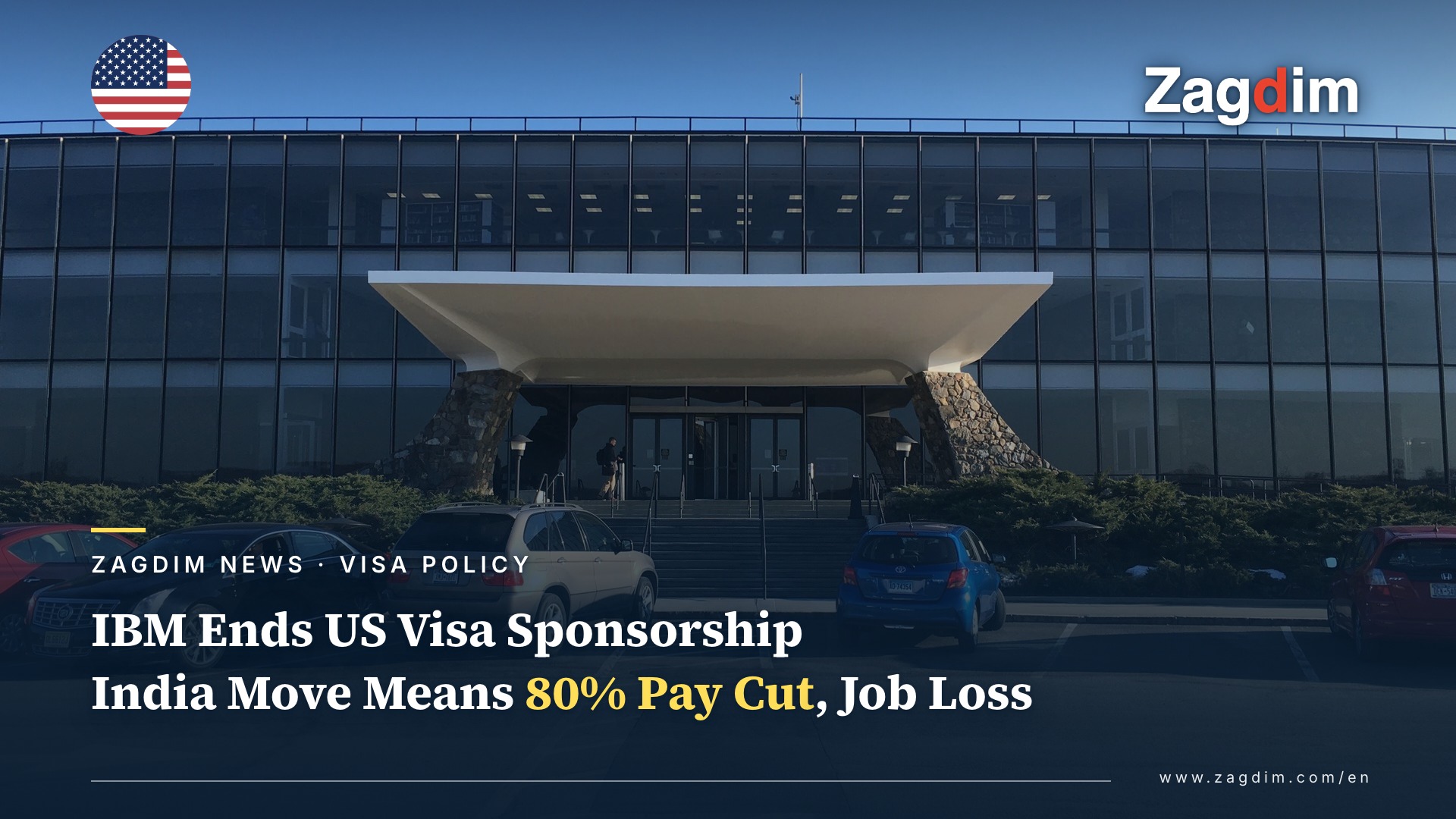
IBM is ending US visa and green-card sponsorship for most positions in IBM Consulting, its largest division with more than 150,000 employees, Bloomberg first reported, citing a document shared with managers. Employees affected by the decision have been given two options: take a role outside the US, or leave the company by December 31. H-1B visa holders have reportedly been given just three weeks to choose, according to accounts posted by IBM employees on the anonymous workplace forum Blind. Employees who do not accept an overseas role will receive three months’ severance, with December 31 set as their last working day.
The relocation options are concentrated heavily in one country. As of November 19, IBM’s careers portal listed 1,278 consulting vacancies outside the US — 1,125 of them in India, 23 in Singapore and 18 in the UK, against just 89 consulting openings inside the US. One employee wrote on Blind that relocating to India could mean an estimated 80 percent pay cut: “I got pulled into a surprise meeting with my manager and was told I have just three weeks to choose between taking an 80 per cent pay cut to relocate to India or losing my job by December 31,” the post read, adding that years of building a career, paying taxes and building a life in the US were now being set against “walk[ing] away with just three months of severance.” Several employees said they learned of the decision during one-on-one “career sync” meetings with their managers.
This is a decision by IBM itself about how it staffs its consulting division, not a change to US government visa rules — but it lands inside a broader tightening of US immigration policy toward employer-sponsored visas. Federal records show IBM had just over 1,600 H-1B petitions approved in fiscal year 2026 company-wide, down from more than 2,000 in FY2025 and nearly 3,000 in FY2024. Last month, the Trump administration suspended Microsoft, Adobe and major outsourcing firms including Cognizant, Infosys and Tata Consultancy Services from the PERM green-card sponsorship process, Reuters reported; in September 2025 the White House introduced a one-time $100,000 fee on new H-1B petitions, since challenged in court, and has proposed H-1B lottery changes favoring higher-salary offers. Indian nationals account for roughly three-quarters of H-1B visas issued, and their wait for employment-based green cards can stretch over decades, according to the National Foundation for American Policy.
For workers facing this kind of choice, the uncertainty around US employer-sponsored visas is itself a data point — one that may factor into weighing other countries’ work and residency options, alongside whatever IBM or any individual employer decides next. Zagdim is not advising on that choice here; this report covers only what has been confirmed about IBM’s decision and its stated terms.
References
Business Standard – IBM Ends US Visa Sponsorship; India Workers Face 80% Pay Cut or Job Loss