































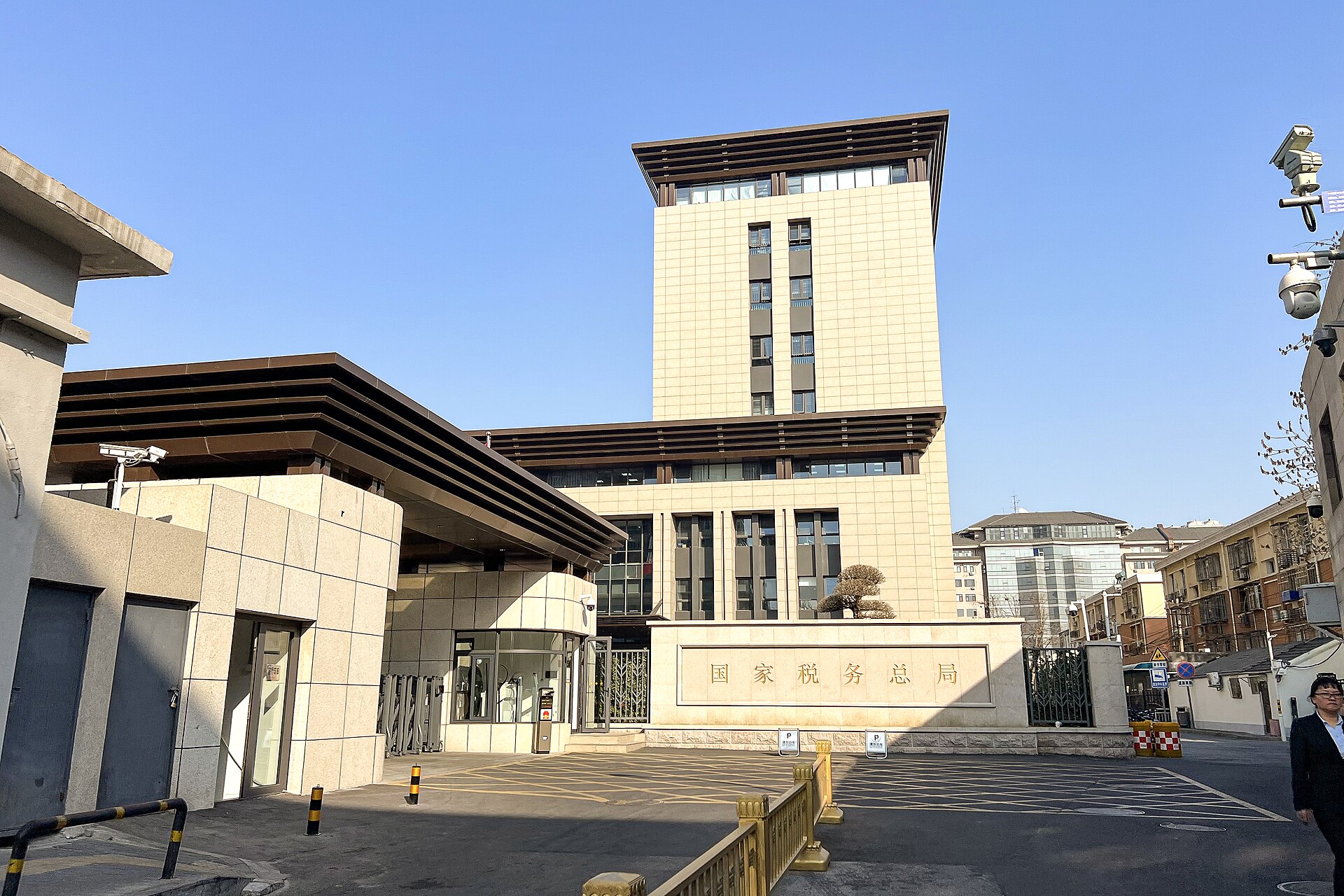
China’s State Taxation Administration is running large-scale training sessions to align how local tax officials interpret the country’s new offshore-trust tax rules, and has sent draft guidance to law and accounting firms ahead of consultation meetings planned in the coming weeks, CNBC reported, according to The Standard.
The push affects affluent Chinese individuals who hold offshore trusts and the advisors who serve them. Tax advisors say many of these families now face unresolved questions about how much historical trust income must be declared, at a moment when Beijing is also tightening scrutiny of how the underlying funds left the country in the first place.
The rules stem from the Announcement on Individual Income Tax Concerning Matters Related to Offshore Trusts, issued July 24 and effective immediately. Trusts established after 2023 are subject to a 20% tax at the time of establishment. For trusts that have existed for many years and are subject to annual recurring taxation, it remains unclear how many years’ worth of trust assets holders must declare. Advisors also warn that many trust assets may fall foul of separate foreign-investment reporting rules issued in July, which could trigger a review by foreign-exchange authorities into how the funds originally flowed out of China. Other open questions include whether the standard three-to-five-year statute of limitations applies to trusts set up before 2023, how detailed supporting documentation needs to be, and whether an October deadline refers to filing or to full tax payment.
Tax advisors estimate that in the coming weeks, local authorities’ interpretations of these details will largely converge with those of the State Taxation Administration.