
































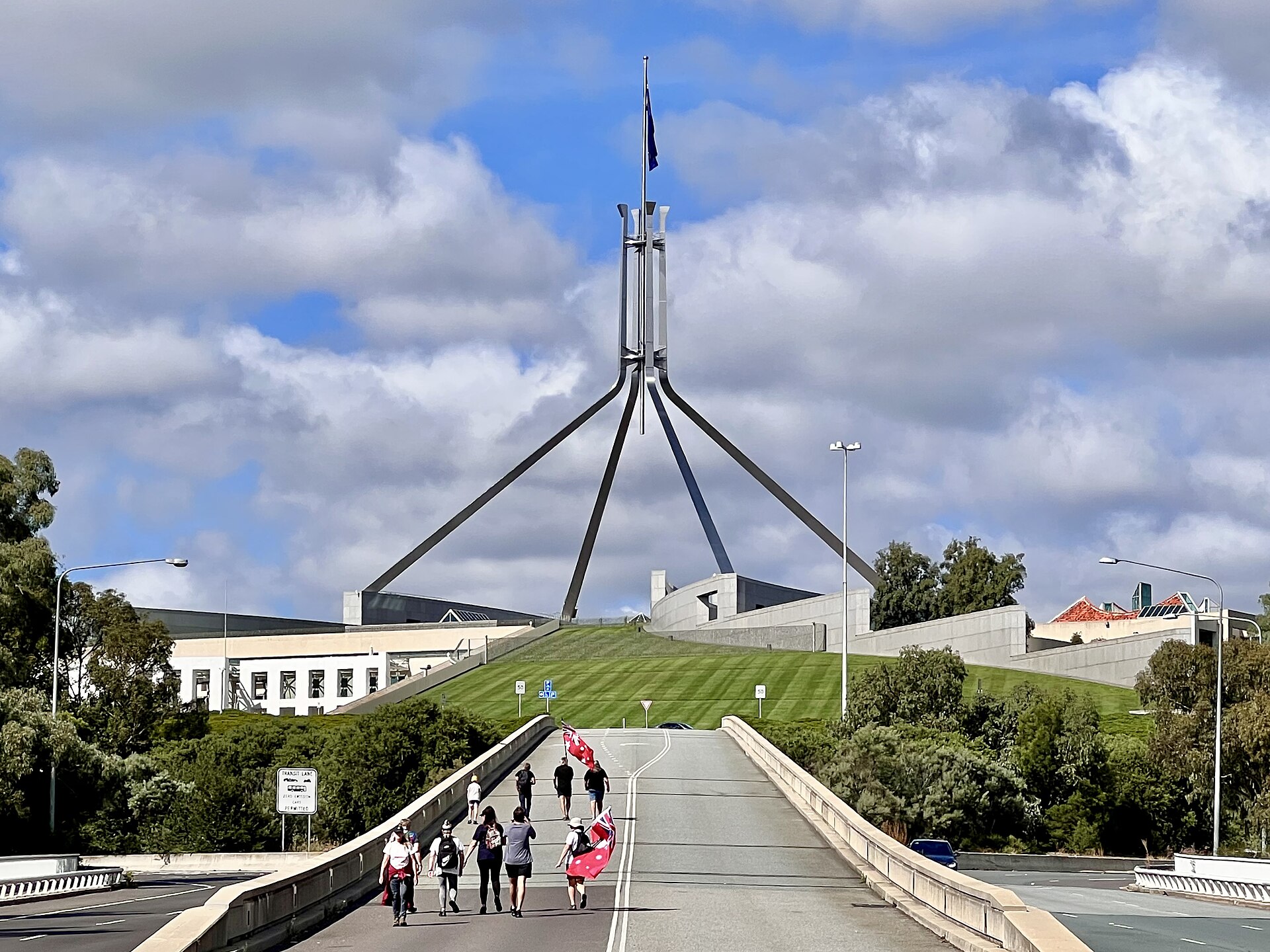
Australia’s parliament has passed the Treasury Laws Amendment Bill, which will replace the country’s long-standing 50% capital gains tax (CGT) discount with a minimum 30% tax rate and a cost-base indexation system from July 1, 2027 — described as the most significant restructuring of Australian property taxation since 1999.
The change affects anyone holding investment property in Australia, whose portfolios will be split into two tax eras: gains accrued before the July 2027 cutoff stay under the outgoing 50% discount, while everything accrued afterward faces the new 30% floor. It also has a knock-on for renters: The Australian reports that National Australia Bank (NAB) expects rents could rise by as much as 30% as investors seek higher yields to offset the higher tax bill, according to reporter Matthew Cranston’s published standfirst (the full article sits behind a paywall).
Properties that straddle the transition date will require a detailed apportionment calculation to separate lightly taxed historical gains from the new, more heavily taxed future gains — and that calculation depends on a credible, certified market valuation logged at the moment the law changes. Vishant Narayan, an Australasian board member at the Royal Institution of Chartered Surveyors (RICS), warned this week that automated valuation estimates “will not survive” scrutiny from the Australian Taxation Office (ATO), which requires a methodology anchored in comparable market evidence. New build-to-rent developments are exempt from the changes. The Australian Treasury expects the combined CGT and negative-gearing reforms to raise roughly AUD 40 billion over the next decade, a move that aligns with an earlier OECD recommendation that Australia phase out market-distorting property tax concessions.
References
Streamline Feed – New Capital Gains Tax Rules Shake Australian Property Market Ahead of 2027 Deadline / The Australian – Brace for an extra 30pc on your rent after Labor’s tax changes