































A government-commissioned survey conducted just before South Korea unveiled its latest property tax overhaul found that nearly half of respondents wanted to keep the capital gains tax’s long-term-holding deduction — yet the government finalized a plan to phase it out anyway, largely following positions the president had already staked out months earlier. Separately, a National Assembly petition opposing a related new cap on that same deduction has drawn almost 40,000 signatures within a week of being posted.
The changes affect owners of long-held homes, particularly non-resident single-homeowners, who face a steeper tax bill under the new rules. Former Prime Minister Kim Min-seok has publicly warned that ending the holding-based deduction for non-resident single-home owners of properties worth 1.2 billion won or more effectively amounts to a tax increase, and could produce side effects such as pressuring tenants to vacate.
The Ministry of Economy and Finance ran the survey on the site Real Estate Forum.kr over two weeks, from July 17 to 31, collecting 6,033 responses. On whether the long-term-holding deduction should be converted into a residency-based deduction, 53.2% favored the switch versus 46.8% who wanted to keep the holding-based version — a margin one anonymous industry official called “effectively a dead heat,” given that pro-government respondents were likely overrepresented. On defining an “ultra-luxury home” threshold, 2 billion and 3 billion won together drew 51.2% of responses, but the government did not adopt either figure as its threshold. The tax bill announced on August 3 will phase down the holding-based deduction and convert it to a residency-based one starting in 2029, and will unify the comprehensive real estate tax around home value rather than number of homes owned from 2028; government simulations show the tax burden rising from a market value of 4 billion won. Oh Moon-sung, chairman of the Korea Tax Policy Association, questioned the survey’s methodology and representativeness: “What matters more than the scale of 6,033 responses is who responded,” he said, adding that the ministry never disclosed respondents’ region, age or number of homes owned.
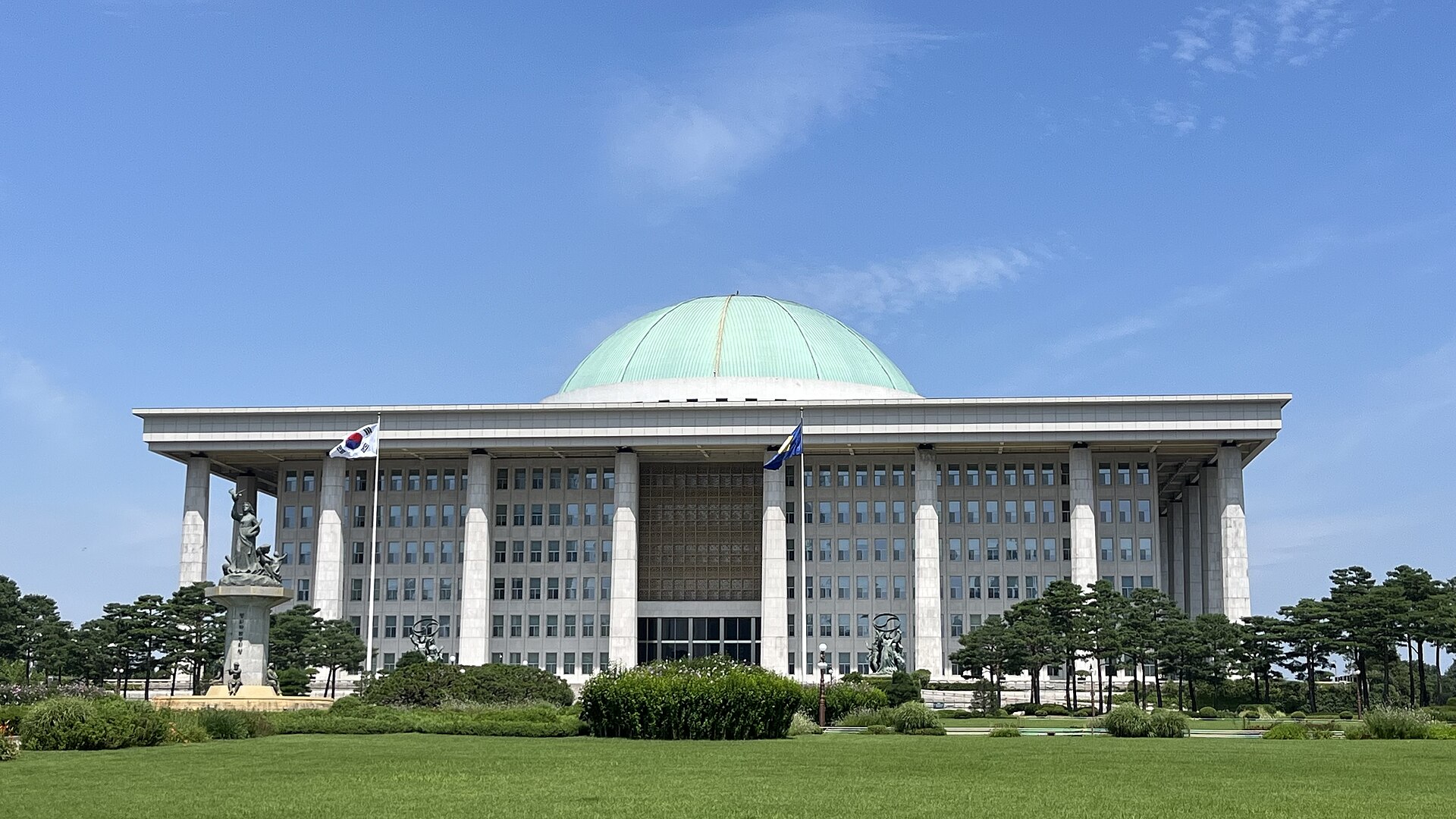
A separate National Assembly e-petition, posted August 11 and titled a request to withdraw the newly proposed 1 billion won cap on the long-term-holding deduction for single-homeowner occupants, had reached 39,849 signatures as of 1:30 p.m. on August 17 — just seven days after posting. Under National Assembly rules, a petition that reaches 50,000 signatures within 30 days is formally received and referred to a standing committee for review.
References
Seoul Economic Daily – Nearly Half Opposed Scrapping Korea’s Property Tax Break in Government Survey / BigGo Finance – Capital Gains Tax Long-Term Holding Deduction Overhaul Controversy Spreads… National Assembly Petition Nears 40,000 Signatures Amid Claims Survey Was “Rigged”