






























How Much Does It Cost to Open an F&B Shop in Singapore Before Opening Day? One Tea Brand’s Breakdown, Published in September 2026, Comes to S$209,000
According to the fees published by the authorities, the government charges to open an F&B shop in Singapore are modest — S$15 to apply for a company name and S$300 to register a company with the Accounting and Corporate Regulatory Authority (ACRA), and S$195 for a Food Shop Licence from the Singapore Food Agency (SFA). The big money goes on the rental deposit, mechanical and electrical works, renovation and equipment: the founder of Singapore tea brand Amacha has published the costs of one new outlet, which came to S$209,000 before opening.
On 26 September 2026, Amacha founder Sebastian Ang (35, who runs five outlets) posted a video on Instagram listing, item by item, what one new outlet cost “before the first cup was sold”; the Singapore news site Mothership summarised it in a report on 27 September 2026. The largest single item in the video was the deposit plus the first month’s rent, followed by mechanical and electrical works such as plumbing and electrics, the ceiling and air-conditioning. He also pointed out that the figure does not include the working capital needed to get through the early months of trading after opening.
This breakdown is one founder’s own account of one outlet. It is not an average start-up cost for F&B shops in Singapore, but it shows clearly which categories the money goes on. This guide uses it as an example to break down the cost structure, then sets out, in order, the official steps a foreigner must go through to open a physical F&B shop in Singapore — the company, the use of the premises, the lease and the Food Shop Licence.
Key Points
- Who needs to take note: people already working in Singapore on an Employment Pass (EP) who want to open their own shop; F&B brands from Hong Kong, Taiwan and elsewhere opening an outlet in Singapore; and anyone who simply wants to understand shop rents and start-up costs in Singapore.
- The official fees to open an F&B shop in Singapore (company name, registration and Food Shop Licence) come to about S$510 in total, plus S$500 to URA if the premises need a change of use; what really decides the total is rent, renovation and equipment.
- The order matters: confirm the premises can be used for F&B before signing the lease; start renovation only after SFA approves the application and layout plan; start trading only after paying the licence fee.
- Foreigners must register a company through a Corporate Service Provider (CSP), and the company must have at least 1 local resident; EP holders must apply to the Ministry of Manpower (MOM) for a Letter of Consent before registering a business or taking up a role.
Where the Money Goes When You Open an F&B Shop in Singapore: Amacha’s S$209,000 Breakdown
All 11 amounts below come from Amacha founder Sebastian Ang’s own account in his Instagram video of 26 September 2026 (as summarised in Mothership’s report of 27 September 2026), in Singapore dollars:
| Item | What it covers | Amount (S$) |
|---|---|---|
| Rent | Deposit + first month’s rent (monthly rent about 15,000) | 60,000 |
| Carpentry | Shelving, counter | 15,000 |
| Flooring | Flooring and tiles | 10,000 |
| Walls | Wall works | 10,000 |
| Mechanical and electrical | Plumbing and electrics, ceiling, air-conditioning | 50,000 |
| Tea brewer | Automatic tea brewing machine | 10,000 |
| Ice cream machine | Gelato machine | 13,000 |
| Other equipment | Ice maker, brewing equipment, fridges, sealing machine | 17,000 |
| Point of sale | POS system | 4,000 |
| Menu screens | TVs and menu displays | 5,000 |
| Opening working capital | First batch of ingredients, salaries, insurance, utilities and sundries | 15,000 |
| Total | Excludes working capital for running the shop after opening | 209,000 |
Five Categories: About 40% on Renovation and M&E, Nearly 30% on Rent
Grouping the 11 items above into five categories gives the following split (the grouping and percentages are Zagdim’s calculation from the table above):
| Category | Items included | Amount (S$) | Share |
|---|---|---|---|
| Renovation and M&E | Carpentry, flooring, walls, plumbing/electrics/ceiling/air-conditioning | 85,000 | 40.7% |
| Rent | Deposit + first month’s rent | 60,000 | 28.7% |
| Equipment | Tea brewer, ice cream machine, other equipment | 40,000 | 19.1% |
| Opening working capital | Ingredients, salaries, insurance, utilities | 15,000 | 7.2% |
| POS and screens | POS, menu screens | 9,000 | 4.3% |
A few conditions to keep in mind when reading this breakdown:
- The deposit plus first month’s rent of S$60,000 is equivalent to 4 months’ rent. How many months’ deposit is charged, and how it is returned, are lease terms, and they vary widely between landlords and malls.
- Mechanical and electrical works alone account for S$50,000. Plumbing, electrics, the ceiling and air-conditioning are basic works on the premises; whether the space you take over already has kitchen drainage and enough power will directly change this item.
- The equipment list reflects a tea and ice cream menu. Equipment a hot-food restaurant needs, such as kitchen exhaust and cooking ranges, is not on this list.
- The report does not give the new outlet’s location or floor area, so it cannot be used to work out a cost per square foot, and the monthly rent of about S$15,000 should not be taken as the going rate for shop rents in Singapore.
Costs the Breakdown Does Not Cover: Official Fees, Stamp Duty and Working Capital
Amacha’s breakdown covers what the outlet actually cost. The official charges below also apply when you open an F&B shop in Singapore; each row has its own source:
| Charge | Amount | Source |
|---|---|---|
| Company name application | S$15 | ACRA fee schedule for companies |
| Company registration | S$300 | ACRA fee schedule for companies |
| Annual return filing (each year) | S$60 | ACRA fee schedule for companies |
| Change of Use application for the premises (where needed) | S$500, non-refundable | URA guidance on change of use |
| Stamp duty on the lease (lease of 4 years or less) | 0.4% of total rent | IRAS guidance on stamp duty for leases |
| Food Shop Licence | S$195, valid for 1 year | SFA guidance on food retail licences |
Counting the company name, registration and Food Shop Licence, the official fees total S$510; add S$500 if the premises need a change of use (Zagdim’s calculation, excluding Corporate Service Provider fees). A stamp duty example: assuming monthly rent of S$15,000 on a 3-year lease, total rent is S$540,000 and stamp duty is about S$2,160 (Zagdim’s estimate using IRAS rates; IRAS also counts other charges such as service charges and maintenance fees as rent).
In addition, the working capital the Amacha founder specifically flagged — the monthly rent, salaries, ingredients and utilities once the shop is open — is not included in the S$209,000 and has to be budgeted for separately.
The Steps a Foreigner Takes to Open an F&B Shop in Singapore: Company, Premises, Lease, Licence, in That Order
Step One: Register a Company With at Least 1 Local Resident
ACRA has three rules for foreigners:
- Go through a Corporate Service Provider. Foreigners must engage a Corporate Service Provider (CSP) to apply for a company name and register the business.
- At least 1 local resident. Every business must have at least 1 local resident in Singapore, which includes Singapore citizens, permanent residents (PRs), and holders of a valid Employment Pass, Personalised Employment Pass (PEP) or Overseas Networks & Expertise Pass (ONE Pass).
- Moving to Singapore to run the business yourself requires a work pass. Holding shares from overseas without working in Singapore, and relocating to Singapore to run the business in person, are two different things.
The company’s own officer requirements: at least 1 director and 1 company secretary; directors must be at least 18 and ordinarily resident in Singapore; the company secretary must be appointed within 6 months of successful registration, and if this deadline is missed the directors may be fined up to S$1,000; if the company has only 1 director, that person cannot also act as secretary.
Pass holders have an extra step: ACRA states that pass holders with a Foreign Identification Number (FIN) must check with their pass issuer (the Ministry of Manpower or the Immigration & Checkpoints Authority) before registering a business or taking up a role; for example, EP holders must first apply to MOM for a Letter of Consent. Dependant’s Pass (DP) holders, by contrast, apply for a Letter of Consent after registering the business.
Step Two: Confirm the Premises Can Be Used for F&B, Then Sign the Lease
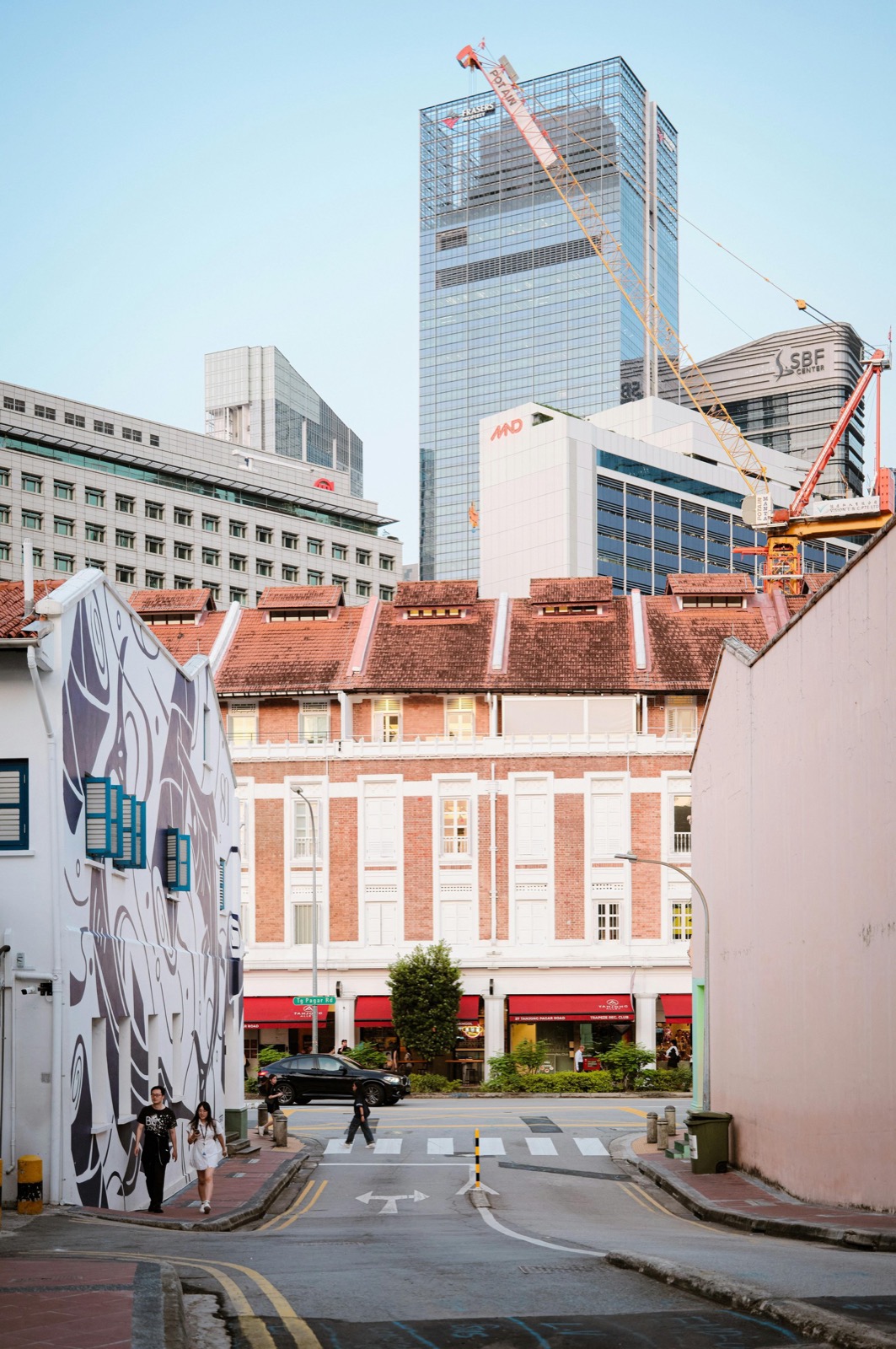
The easiest mistake to make when you open an F&B shop in Singapore is to sign the lease and start renovating, only to find the premises cannot be used for F&B. The Urban Redevelopment Authority (URA) sets out two situations:
- Shopping centres and commercial buildings: opening a restaurant does not need planning permission, but you should check the land use zoning in the Master Plan.
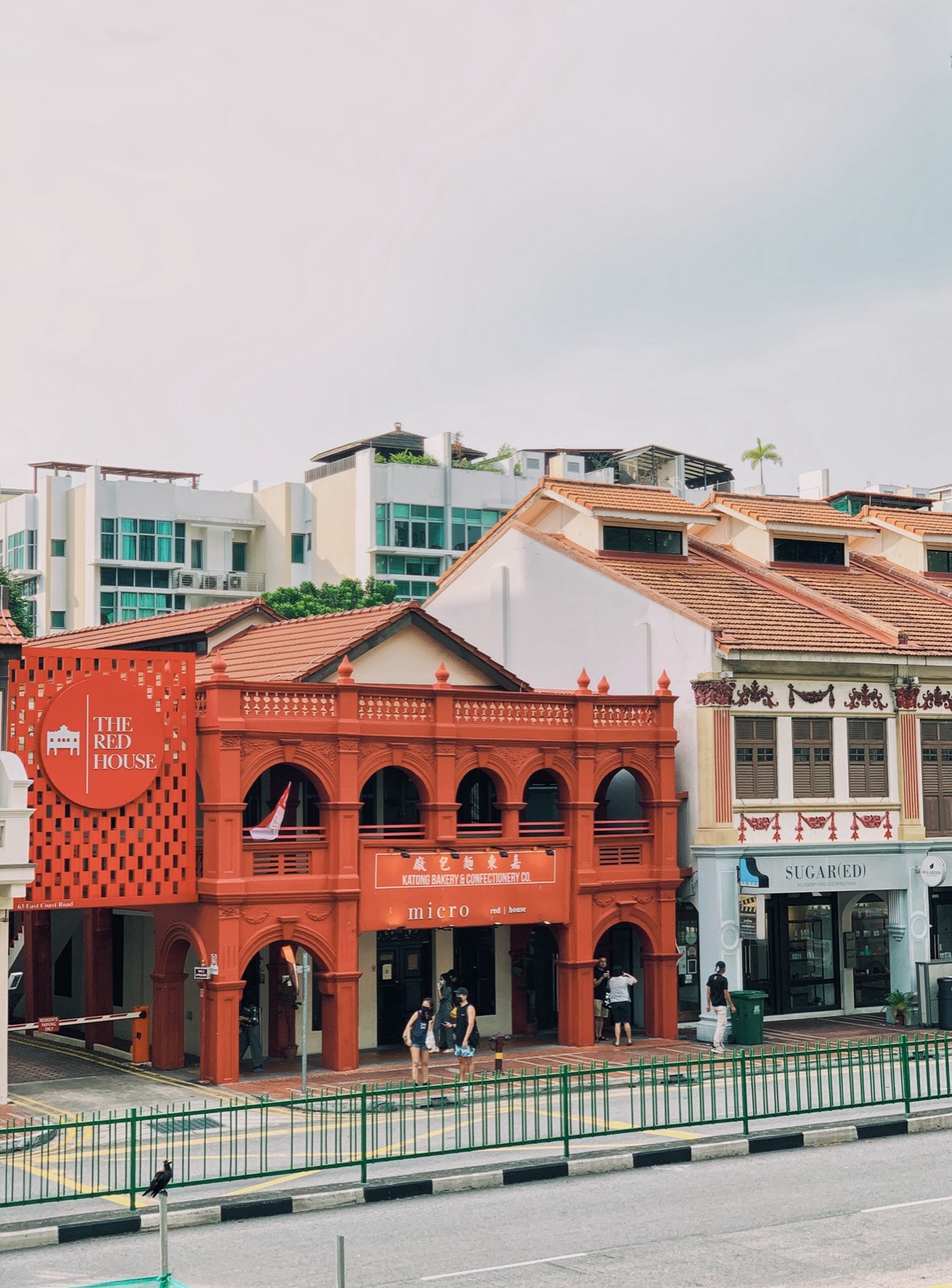
- Shophouses: converting a shophouse into a restaurant requires a Change of Use application. Applications outside “problematic areas” are evaluated by URA case by case, and clearance from the Land Transport Authority (LTA) on traffic and car parking may also be needed. URA also lists locations where a new restaurant is unlikely to be approved, such as Balestier Road, parts of East Coast Road, the Joo Chiat Road area and parts of Geylang Road; see the URA page for the full list and maps.
A Change of Use application can be submitted through GoBusiness by the business owner, the landlord, a consultant or a Qualified Person. The processing fee is S$500 and non-refundable, and assessment generally takes 10 working days. URA explicitly advises against committing to a lease or renovation works before receiving a decision. Once the change of use is approved, permits must still be applied for separately from the relevant agencies through GoBusiness; URA’s examples include fire safety clearance from the Singapore Civil Defence Force (SCDF) and the SFA Food Shop Licence.
Step Three: Pay Stamp Duty Once the Lease Is Signed — SFA Will Ask for Proof
The Inland Revenue Authority of Singapore (IRAS) charges stamp duty on commercial leases: where the average annual rent exceeds S$1,000, it is 0.4% of total rent for a lease of 4 years or less, and 0.4% of 4 times the average annual rent for a lease of more than 4 years. A lease signed in Singapore must be stamped within 14 days of signing, and one signed overseas within 30 days of the document being received in Singapore; late payment attracts penalties. This Certificate of Stamp Duty is one of the documents you will need to submit later when applying for the Food Shop Licence.
Step Four: Apply for the SFA Food Shop Licence, and Renovate Only After Approval
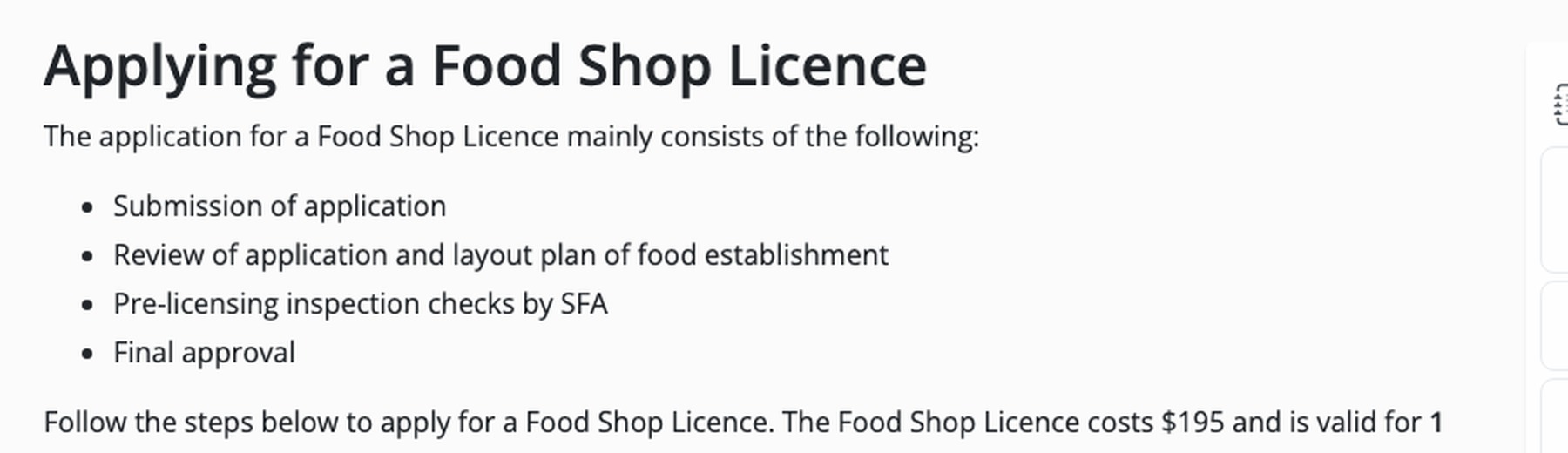
The steps, timings and rules below all come from SFA’s “Application Process & Fees for Licence / Permit for Food Retail” page (updated 6 May 2026):
| Stage | What to do | Timing and points to note |
|---|---|---|
| Prepare the layout plan | Show metric scale and dimensions, kitchen equipment and facilities (exhaust, sinks, wash-hand basins) and the extent of the dining area | An incomplete layout plan will slow things down or lead to rejection |
| Submit | Apply through GoBusiness, logging in with SingPass or CorpPass | The licensee’s name and the licence type cannot be amended, and the licence cannot be transferred |
| SFA review | SFA reviews the application and layout plan | Reviewed within 7 working days; complete applications are notified of approval within 7 working days |
| Renovation | Renovate and set up the premises according to the submitted layout plan | Start only after SFA has approved the application |
| Submit further documents | URA Change of Use or HDB approval, the lease and IRAS stamp duty certificate, a cleaning schedule, a pest control contract | If not all submitted within 2 months of applying, the application is closed and treated as invalid |
| Pre-opening inspection | Video inspection or submission of photos | Book a video inspection at least 5 working days in advance |
| Pay | Licence fee S$195, valid for 1 year | Notification within 7 working days of the inspection; pay within 28 days, or the application lapses and you must start again |
| Start trading | Start trading and display the licence once payment is made | For those choosing GIRO, GIRO approval can take up to 8 weeks |
In addition, SFA requires food handlers in retail food businesses such as cafés and restaurants to pass the WSQ Food Safety Course (FSC) Level 1, and to be registered with SFA before or when the licence is applied for; the first refresher is due within 5 years of first passing, and every 10 years after that.
Three Kinds of Reader, Three Different Starting Points for Opening an F&B Shop in Singapore
People Already Working in Singapore on an EP Who Want to Open Their Own Shop
EP holders meet ACRA’s definition of a local resident, but ACRA states that they must first apply to MOM for a Letter of Consent before registering a business or taking up a role; whether it is granted is for MOM to decide. If you plan to leave your job to run your own shop full time, the work pass question has to be dealt with separately — MOM’s EntrePass is for foreign entrepreneurs starting a venture-backed or innovative-technology business. The conditions include a private limited company registered with ACRA in which the pass holder owns at least 30%, and meeting one of several criteria such as fundraising, incubator support or registered intellectual property; a new pass and the first renewal are valid for up to 1 year, and each subsequent renewal for up to 2 years.
Brands From Hong Kong, Taiwan and Elsewhere Opening an Outlet in Singapore
An overseas brand setting up a company in Singapore likewise has to register through a Corporate Service Provider and arrange at least 1 local resident. Another detail that is often overlooked: the SFA Food Shop Licence cannot be transferred and the licensee’s name cannot be amended, so it is best to decide which legal entity will apply before submitting. If you are looking at a shophouse, check the change of use requirements and the list of “problematic areas” while viewing premises, not after signing the lease.
Anyone Who Simply Wants to Understand Shop Rents and Start-Up Costs in Singapore
Amacha’s monthly rent of about S$15,000 and its S$209,000 start-up cost are the actual spending of one tea shop. They are useful as a reference for which categories the money goes on, but they are not a market average. Shop rents depend on location, floor area, whether the unit is in a mall or a shophouse, and the lease terms. This guide does not cite official average rent figures and does not infer market rates from a single case.
Common Misunderstandings About Opening an F&B Shop in Singapore: Five Pitfalls to Avoid
One: “The Licence Is Only S$195, So Opening a Shop Doesn’t Take Much Money”
Why that is incomplete: official fees are only a small part of the cost. In Amacha’s breakdown, the deposit plus first month’s rent alone came to S$60,000, and mechanical and electrical works to S$50,000.
Practical note: budget separately for official fees, the rental deposit, renovation and M&E, equipment and opening working capital, then add operating capital for after the shop opens.
Two: “Take the Premises First and Sort Out the Paperwork Later”
Why that is incomplete: turning a shophouse into a restaurant needs URA approval, and in some areas a new restaurant is unlikely to be approved; URA advises against committing to a lease or renovation before receiving a decision.
Practical note: when viewing premises, check the approved use first, and only negotiate the lease once you have confirmed the unit can be used for F&B.
Three: “Once the Licence Application Is In, Renovation Can Start at the Same Time”
Why that is incomplete: under SFA’s process, renovation follows the layout plan only after the application and layout plan have been approved; if the renovation differs from the submitted plan, problems will surface at the pre-opening inspection.
Practical note: draw up a clear layout plan, get it approved, and then have the contractor build to the plan.
Four: “A Foreigner Can Register a Company Online Without Help”
Why that is incomplete: ACRA requires foreigners to apply for a name and register through a Corporate Service Provider, and the company must have at least 1 local resident.
Practical note: decide who will be the local resident and who will be the company secretary before starting registration.
Five: “I Have an EP, So I Can Run a Shop on the Side”
Why that is incomplete: although EP holders meet the local resident definition, ACRA states that they must obtain a Letter of Consent from MOM before registering a business or taking up a role.
Practical note: check with MOM first, then decide in what capacity, and when, to start.
Scenarios: Opening an F&B Shop in Singapore
One: A Taiwanese Engineer Working in Singapore Who Wants to Open a Café With a Friend
Background: has worked in Singapore on an EP for two years; the friend is a Singapore citizen, and the two plan to invest jointly in a small café.
How to handle it: the friend can act as the company’s local resident and director; if the engineer is to take up a role such as director in the company, they must apply to MOM for a Letter of Consent before the business is registered or the role is taken up. A company secretary must be appointed within 6 months of registration.
What not to overlook: whether the engineer can work in the café, or leave their job to run it full time, is a work pass question to be handled under MOM’s rules.
Two: A Hong Kong Tea Brand Planning Its First Singapore Outlet in a Shophouse
Background: the brand has several shops in Hong Kong but no staff or company in Singapore yet.
How to handle it: first register a company through a Corporate Service Provider and arrange a local resident; when viewing premises, check the shophouse’s approved use and whether it is in an area where URA is unlikely to approve a new restaurant, and apply for a change of use first if needed (S$500, generally 10 working days). Only after receiving a decision, sign the lease and pay stamp duty, then apply to SFA for the Food Shop Licence and renovate after approval.
What not to overlook: a change of use may not be approved; the SFA licence cannot be transferred, so the applying entity should be settled from the start.
Three: Leasing a Unit in a Shopping Centre for a Dessert Shop
Background: the mall management already has F&B tenants, and the unit looks like a ready-made F&B space.
How to handle it: URA states that opening a restaurant in a shopping centre or commercial building does not need planning permission, but the land use zoning should still be checked; then follow SFA’s process — submit the layout plan, renovate after approval, and submit the lease and stamp duty certificate, cleaning schedule and pest control contract.
What not to overlook: the further documents must be submitted within 2 months of applying; otherwise the application is closed and you have to start again.
FAQ: Opening an F&B Shop in Singapore
How much are the government fees to open an F&B shop in Singapore?
Based on the fees published by ACRA and SFA: S$15 to apply for a company name, S$300 to register the company and S$195 for the Food Shop Licence (valid for 1 year), S$510 in total. For premises that need a change of use, such as shophouses, URA charges a further non-refundable processing fee of S$500. Stamp duty is also payable on the lease: 0.4% of total rent for a lease of 4 years or less. Filing the company’s annual return costs a further S$60 each year. None of this includes Corporate Service Provider fees.
Can foreigners open an F&B shop in Singapore on their own?
They can set up a company, subject to conditions. ACRA requires foreigners to apply for a name and register through a Corporate Service Provider, and the company must have at least 1 local resident (a Singapore citizen, a PR, or a holder of a valid EP, PEP or ONE Pass). If you intend to move to Singapore to run the business yourself, you also need a work pass; holders of other passes should check with MOM or the Immigration & Checkpoints Authority whether they may run a business.
Should I lease the premises first or apply for the licence first?
Confirm the use of the premises first, then sign the lease, then apply for the licence. URA advises against committing to a lease or renovation before receiving a decision on a change of use; SFA requires the lease and IRAS stamp duty certificate as part of the licence application, and renovation should start only after SFA has approved the application and layout plan. You can start trading only after paying the licence fee.
How long does a Food Shop Licence application take in Singapore?
SFA reviews an application within 7 working days of submission, and complete applications are notified of approval of the application and layout plan within 7 working days. Renovation then takes as long as the works require. After completion, a pre-opening inspection is needed (a video inspection must be booked at least 5 working days in advance); a payment notification follows within 7 working days of the inspection, and payment must be made within 28 days or the application lapses.
Can I open an F&B shop in Singapore on an EP?
EP holders meet ACRA’s definition of a local resident, but ACRA states that before registering a business or taking up a role, an EP holder must first apply to MOM for a Letter of Consent, and whether it is granted is for MOM to decide. If you want to leave your job to focus on the business, the work pass has to be dealt with separately; EntrePass is aimed at venture-backed or innovative-technology businesses, and the conditions are as published by MOM.
Can Amacha’s S$209,000 be treated as the average cost to open an F&B shop in Singapore?
No. It is the start-up cost of one new outlet as described by Amacha’s founder; the report does not give the location or floor area, and the menu centres on tea and ice cream. It is useful for understanding which categories the money goes on — rental deposit, renovation and M&E, equipment and opening working capital — but it does not represent costs in other locations or for other types of F&B business, and it excludes working capital for running the shop after opening.
Planning to Open a Shop or Settle in Singapore? Ask Zagdim
To work out how to arrange your pass, company and licences for opening a shop in Singapore, or for any other practical question about living and working in Singapore, Ask Zagdim.
Life abroad? Ask Zagdim.
Your first stop for international property and global living.
Research and insights. Know what’s changing. Understand what matters.
Get overseas change alerts → When a change affects you, we’ll write.
Important Disclaimer
This article is general information and does not constitute legal, tax, immigration or investment advice, nor does it assess whether any plan to open a shop is viable. The start-up cost figures are the Amacha founder’s own account of 26 September 2026, as reported by Mothership, and do not represent a market average; the official rules are based on public pages of Singapore’s Accounting and Corporate Regulatory Authority, Urban Redevelopment Authority, Inland Revenue Authority, Singapore Food Agency and Ministry of Manpower dated 2024 to 2026. Fees, procedures and pass conditions may change. For individual circumstances, check each agency’s latest announcements, and consult a suitably qualified professional where necessary.
Rules current as of 28 September 2026; refer to ACRA, URA, IRAS, SFA and MOM for the latest official position.
References
Mothership – S$209,000 before 1st cup sold: Amacha founder, 35, breaks down costs of opening a shop in S’pore / Accounting and Corporate Regulatory Authority – Service & transaction fees: Companies / Accounting and Corporate Regulatory Authority – Step 1: Understanding requirements & eligibility / Accounting and Corporate Regulatory Authority – Step 4.3: Choosing company directors & other key officers / Urban Redevelopment Authority – Changing the Use of Your Property / Urban Redevelopment Authority – Criteria for Restaurant / Inland Revenue Authority of Singapore – Renting a Property / Inland Revenue Authority of Singapore – Stamp Duty Basics for Property / Singapore Food Agency – Application Process & Fees for Licence / Permit for Food Retail / Singapore Food Agency – Requirements for Food Handlers / Ministry of Manpower – EntrePass / Ministry of Manpower – EntrePass eligibility