






























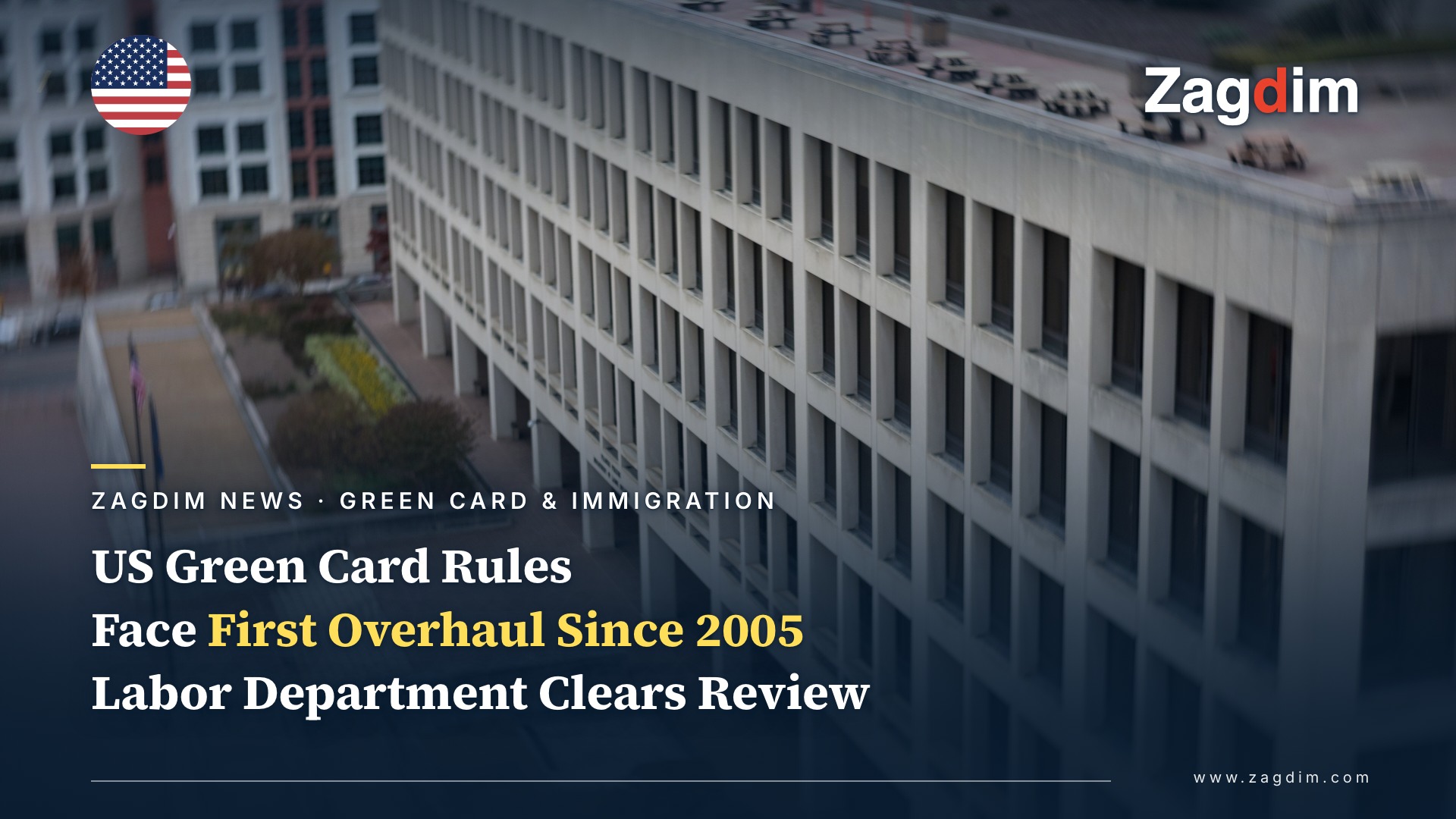
The US Department of Labor’s proposed overhaul of the Permanent Labor Certification (PERM) program — the recruitment process most employment-based green card sponsorships must go through — has cleared review by the Office of Management and Budget (OMB) and is now headed for publication in the Federal Register. According to an immigration advisory from the global law firm Fragomen dated October 26, 2026, this would be the first comprehensive revision of the PERM regulations since 2005.
PERM requires an employer to test the US labor market and show there are no sufficiently qualified, willing and available American workers for a position before sponsoring a foreign national for an employment-based green card, typically under the EB-2 or EB-3 categories. Fragomen says the proposed rule focuses on three areas: tightening the minimum recruitment standards employers must meet when advertising a position and testing the labor market; strengthening protections for American workers who have been affected by layoffs, in cases where an employer is simultaneously recruiting for a position; and expanding employer compliance obligations under federal non-discrimination requirements during hiring.
The specific regulatory text has not been made public and remains confidential until Federal Register publication. Once published, the Department of Labor is expected to open a public comment period of 30 or 60 days, during which employers, immigration attorneys and other stakeholders can submit feedback before the department decides whether to finalize the rule. The proposed requirements will not take effect until that rulemaking process is complete — there is currently no confirmed publication date or effective date.
The PERM proposal is one of several immigration-related regulatory moves Nairametrics has tracked this year: in March 2026, the Labor Department was reported to be considering higher prevailing-wage requirements for H-1B, H-1B1, E-3 and PERM labor certifications, and in August, officials were reported to be considering eliminating the 60-day grace period that lets certain laid-off foreign workers find new employment, change status or leave the country. Separately, Nairametrics has reported that US immigration authorities denied 35,767 employment-authorization applications from green card applicants in the third quarter of fiscal 2026 — about 44% of the decisions made in that period.
For employers and foreign workers currently in, or planning to start, an employment-based green card sponsorship, the practical point for now is to watch for the Federal Register publication rather than assume any specific change: the final content of the rule — and whether it tightens recruitment timelines, documentation, or compliance obligations beyond what Fragomen’s advisory describes — will not be confirmed until the proposed text itself is released.
References
Nairametrics – US Moves to Tighten Employment-Based Green Card Requirements for Foreign Workers