




























In recent years, as Thailand’s real estate market continues to attract overseas investors, more and more foreigners are choosing to buy condos in Bangkok, Pattaya, or Chiang Mai. However, for first-time buyers, the “condo handover process” is often the most overlooked yet most critical step.
Handover is not simply about walking into a new home and collecting the keys. It involves multiple stages, including final payment, unit inspection, Land Office transfer, tax settlement, and warranty responsibilities. Any mistake in these steps could lead to incomplete ownership, inability to move in smoothly, or even affect future resale or rental.
For overseas buyers, understanding Thailand’s latest (2023–2025) handover procedures not only helps avoid the risk of “being at a loss” but also ensures:
Property Rights Security: The title deed transfer (Chanote transfer) is legal and valid, making the buyer the true owner.
Cost Transparency: Know in advance the taxes, sinking fund, and maintenance fees to avoid unexpected charges.
Rights Protection: Master the details of inspection and the Defects Liability Period to ensure living quality.
In other words, the handover process is the intersection of “investment protection” and “the start of living.” Familiarity with these steps makes overseas property ownership a secure and sound decision.
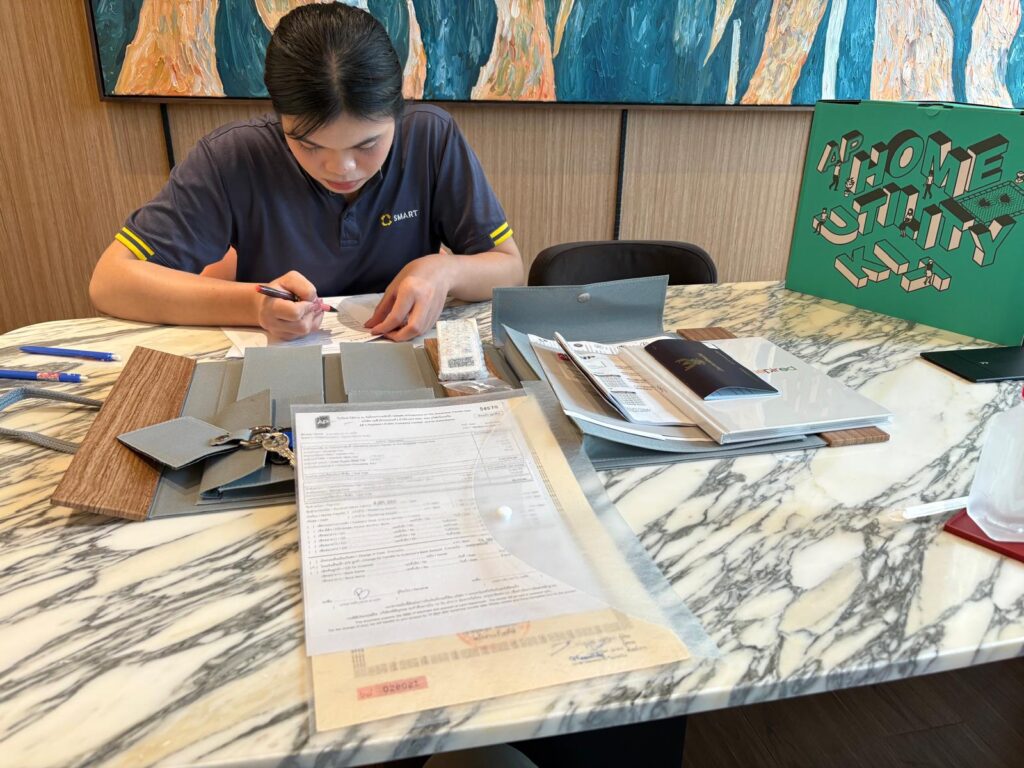
Handover Process Overview (Handover Steps in Thailand)
In Thailand, condo handover typically occurs after the project is completed and the buyer has made the final payment. The overall process is roughly as follows:
Developer Notification: Once the project is completed, the developer officially notifies the buyer to prepare the final payment and schedule the handover.
Final Payment: The buyer, with assistance from the bank or developer’s payment department, clears the remaining balance and related funds and taxes. If a loan is involved, the bank disburses the final amount to the developer.
Unit Inspection: The buyer inspects the unit accompanied by the developer’s engineering team, sometimes hiring a third-party inspection company. Any defects found are listed, and the developer commits to repairs.
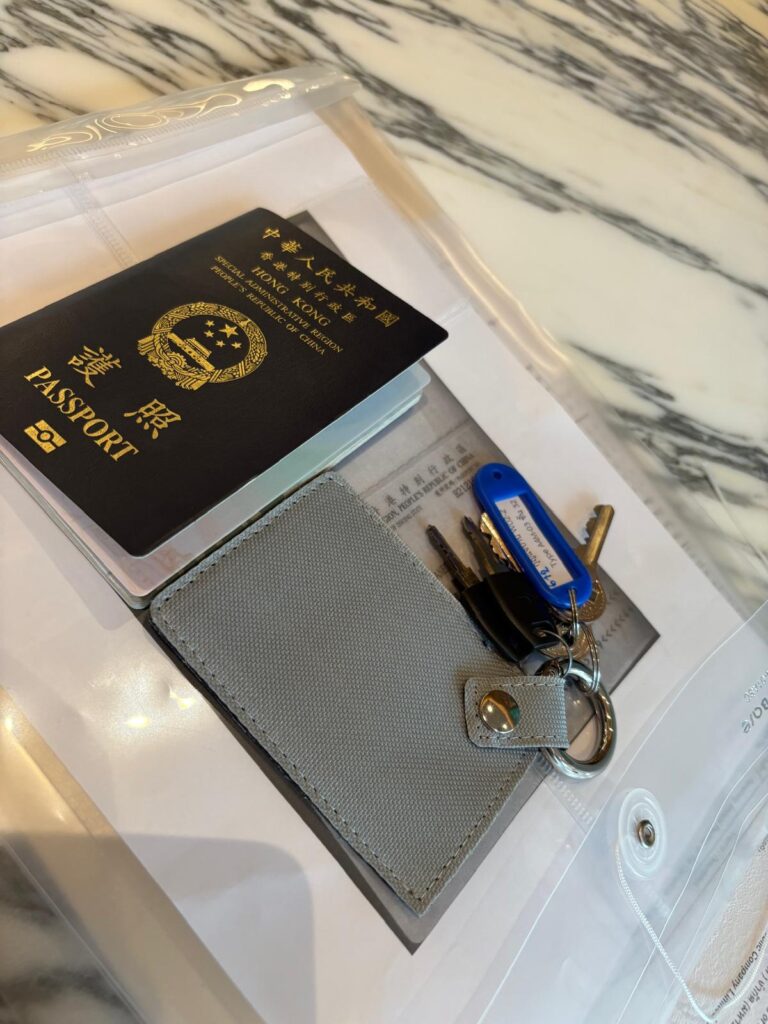
Signing Handover Documents & Key Collection: Witnessed by the developer’s customer service team, the buyer confirms the unit’s condition and signs handover documents, then receives the keys and access card, officially gaining occupancy rights.
Land Office Transfer (Chanote Transfer): Finally, the buyer and developer representative go to the Land Office together. The Land Office officer verifies documents and processes the title transfer. After paying the relevant fees, the buyer receives the official title deed.
📌 Timeline: Completion notification → 1–2 weeks for payment and scheduling → Inspection and handover → Land Office transfer (usually completed within 1 day).
Land Office Title Deed Transfer Procedure
In Thailand, the title deed transfer must be completed at the Land Office. This is the crucial step where the buyer officially becomes the property owner. On the transfer day, the buyer must attend in person or through a lawyer, submit their passport and Foreign Exchange Transaction (FET) form, and pay the transfer fees. The seller or developer must bring the title deed (Chanote), sale and purchase agreement, and tax payment certificate to ensure clear and undisputed ownership. The Land Office officer will verify all submitted documents, calculate the applicable transfer taxes and fees, and update the title registration upon confirmation. After this process, the buyer receives the official title deed, becoming the sole legal owner of the unit.
Inspection Checklist & Defects Liability Period
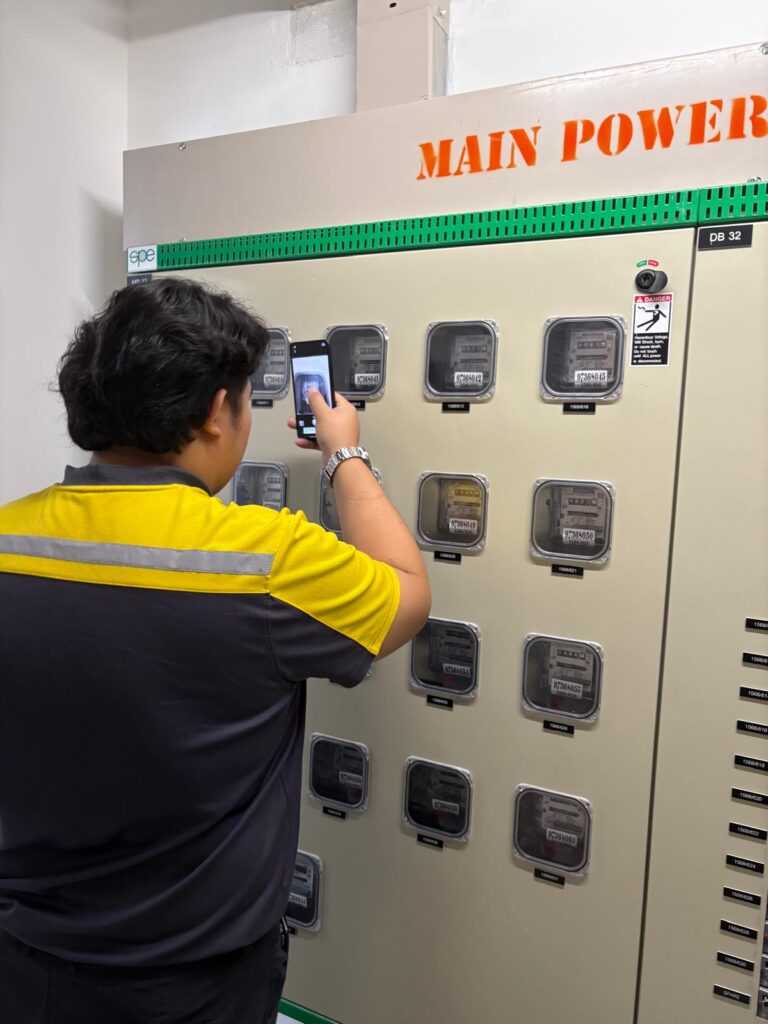
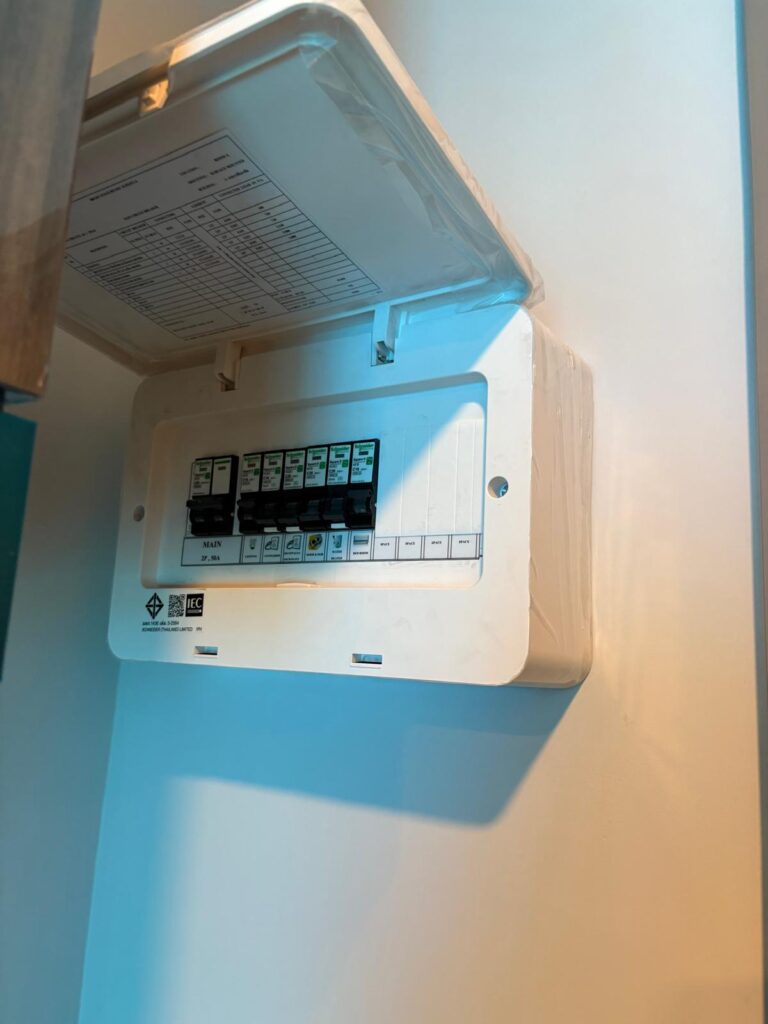
During the handover process, the unit inspection is one of the most important steps for the buyer. The buyer needs to check the unit item by item, confirming that walls, floors, doors, windows, plumbing, electricity, and air conditioning meet contract standards, and clearly record any issues. Some buyers hire a third-party inspector for professional checks and advice to avoid missing details. The developer’s engineering team will then repair the defects listed by the buyer until they meet delivery standards before the formal handover.
Regarding the warranty period, most new condos built in Thailand from 2023–2025 offer a 1–2 year defects liability period (the warranty for this managed project is 5 years), while structural parts (such as beams, columns, foundations) may enjoy up to 5 years of coverage. If problems arise during this period, the developer must cover free repairs, and the buyer only needs to submit a claim within the timeframe.
Handover Fees & Sinking Fund
When taking over a condo in Thailand, besides clearing the final payment, the buyer must also bear a series of fees related to the transfer and property management. These fees are shared between buyer and seller or the developer according to the contract, but there are generally standard practices:
Transfer Fee: Typically 2% of the appraised property value, usually borne by the buyer, but in some transactions, it may be negotiated between buyer and seller.
Stamp Duty: The rate is 0.5%. If Specific Business Tax is not paid, it is usually paid by the seller; however, the specific responsible party depends on the contract terms.
Specific Business Tax (SBT): The rate is 3.3%. If the seller has owned the property for less than five years, the seller must pay this tax.
Withholding Tax: Calculated based on the seller’s status and holding period, also borne by the seller.
In addition to transfer taxes, the buyer must also pay property management-related fees at handover:
Sinking Fund: A one-time payment for long-term building maintenance, typically ranging from THB 400–650/㎡ in 2023–2025.
Maintenance Fee: Calculated monthly, usually THB 30–70/㎡, with a prepayment of 6–12 months required at handover.
Defects Liability Period: The developer must provide a 1–2 year warranty after handover, with structural parts covered for up to 5 years. If defects appear in the unit, the developer is responsible for repairs.
Post-Handover Tips
After completing the handover and transfer, buyers still need to handle some practical living and compliance matters. First is utility transfer (electricity and water), usually done by the buyer in person at the Provincial Electricity Authority and Metropolitan Waterworks Authority. Some property management companies can also assist, ensuring the unit can use basic infrastructure smoothly.
Second, the buyer needs to register with the property management office, which handles owner registration and issues access cards. This is a necessary procedure for entering the community and using common facilities.
Regarding rentals, buyers must comply with Thai law and condo regulations. For example, short-term rentals (like Airbnb) are prohibited in most condos, and the property management office has the authority to monitor and enforce this.
Finally, owners must also fulfill tax obligations. If the property is rented out, rental income must be declared and taxes paid to the Revenue Department. Since 2020, Thailand has implemented the Land and Building Tax. Depending on the property’s nature and use, some owners must also pay this tax. These steps ensure the legal use and long-term value preservation of the property.
Frequently Asked Questions (FAQ)
1. What documents do foreigners need to prepare for condo handover in Thailand?
Buyers must prepare their passport, Sale and Purchase Agreement (SPA), and Foreign Exchange Transaction (FET) form, and pay the transfer fee at the Land Office. The developer or seller must provide the title deed (Chanote), tax payment certificate, and related contracts. The Land Office officer will check both parties’ documents and complete the transfer registration only after confirming everything is correct.
2. Who is responsible for the inspection?
The buyer needs to personally inspect the unit, checking that walls, floors, doors, windows, plumbing, electricity, and air conditioning are functioning properly. For a more professional assessment, a third-party inspector can be hired. The developer’s engineering team must address the defect list provided by the buyer and re-deliver the unit after repairs are completed.
3. What additional fees are involved at handover?
Buyers need to pay the Sinking Fund and management fees (usually prepaid for 6–12 months), as well as water and electricity meter deposits. Regarding transfer-related costs, buyers generally bear the 2% transfer fee, while sellers are responsible for the Special Business Tax (if held for less than 5 years) and Personal Income Tax. The Stamp Duty is paid by either the buyer or seller as stipulated in the contract.
4. What is the difference between handover and transfer?
Handover is when the developer delivers the unit to the buyer, who completes the inspection, signs the handover documents, and receives the keys. Transfer is the official registration of ownership at the Land Office. Handover primarily involves the buyer and developer, while transfer involves the buyer, seller, and the Land Office.
5. Who is responsible during the warranty period?
After handover, the developer is responsible for defect repairs, typically with a warranty period of 1–2 years, and up to 5 years for structural parts. Buyers must submit repair requests within the warranty period, and the developer must complete repairs on time and deliver satisfactory results free of charge.
6. Can foreign buyers handle the transfer themselves?
Foreigners can go to the Land Office to handle the property transfer themselves, but they need sufficient Thai language skills and familiarity with the procedures. Most buyers hire a lawyer or agent to assist, ensuring complete document preparation and saving time. Land Office officials are responsible for the final document review and registration.
7. What taxes need to be paid after handover?
If the buyer rents out the property after handover, they must declare Personal Income Tax to the Revenue Department as required. If the unit falls under the taxable scope, Land and Building Tax must also be paid. The Revenue Department is responsible for collection and oversight, while the buyer must ensure timely filing.
Conclusion and Recommendations
Overall, the handover and transfer process in Thailand is a multi-party collaboration: the developer is responsible for notifications and repairs, the buyer must complete final payment, unit inspection, and tax compliance, while Land Office officials play the final gatekeeping role during the transfer. Negligence by any party can lead to delays or legal risks.
For buyers, the three most critical recommendations are:
Prepare documents and funds in advance
Ensure the Foreign Exchange Transaction (FET) form, passport, and contract are complete and correct, and prepare to pay the final balance, sinking fund, and taxes to avoid obstacles during the Land Office process.Inspect the unit carefully and utilize the warranty period
Inspect the unit item by item with the developer’s engineering team, and hire a third-party inspector if necessary. List all defects immediately and request repairs, and follow up throughout the 1–2 year warranty period.Seek professional assistance
If the buyer is not familiar with the Thai language or local laws, it is recommended to hire a lawyer or professional agent to assist with the Land Office transfer and fee calculations, reducing errors and risks.
Handover is not just a ceremony for receiving keys; it is a crucial process for ensuring legal ownership, safe occupancy, and investment protection. As long as buyers understand the process, clarify responsibilities, and leverage professional resources, they can significantly enhance the efficiency and peace of mind of the handover.